
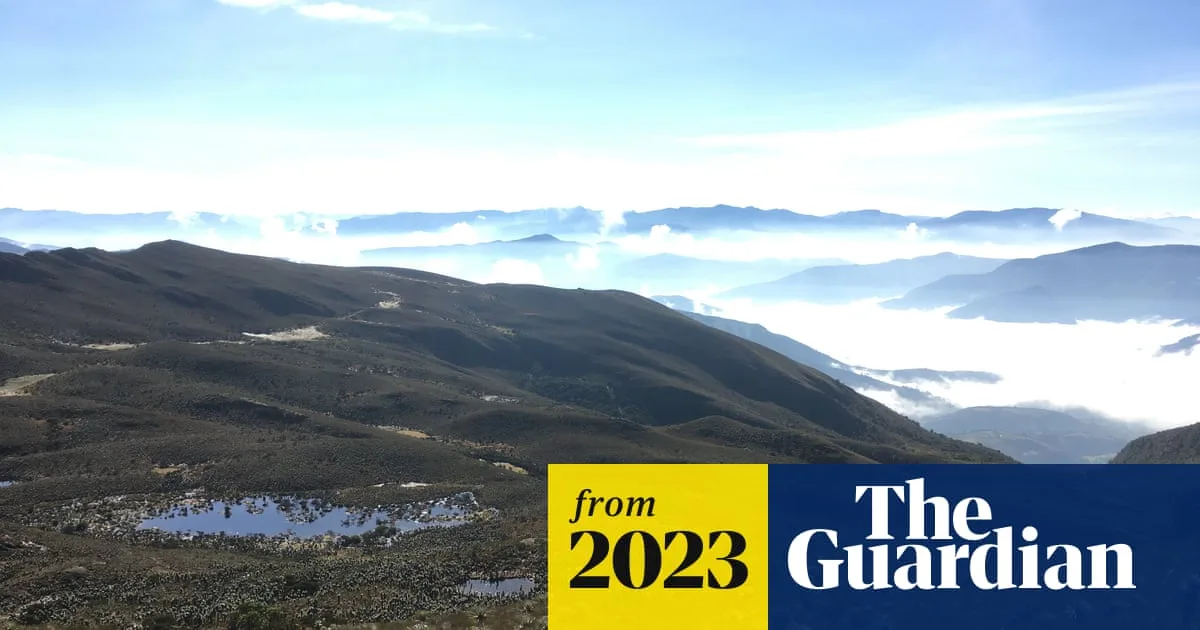
The U'wa Indigenous community of Colombia has presented its case before the Inter-American Court of Human Rights (IACHR), accusing the Colombian government of failing to recognise ancestral lands and allowing oil pollution that threatens their existence. After 26 years of waiting, the community made formal declarations in a dispute that could set a regional precedent for Indigenous rights and environmental protection.
The U'wa, who inhabit the Andes foothills and cloud forests in northeastern Colombia, consider themselves guardians of Mother Earth. They have fought against oil multinationals such as Royal Dutch Shell and Occidental Petroleum, but say the government has permitted oil and gas projects without consultation, including pipelines that leak into rivers due to rebel sabotage.
Lawyer Wyatt Gjullin of Earth Rights, the environmental NGO supporting the case, said the court's binding jurisdiction in most Latin American countries means a ruling could help protect many Indigenous peoples and ecosystems. 'The precedent is really important for the U'wa nation and the Indigenous peoples of Colombia but it will also have an impact at a regional level,' he said.
The U'wa argue that oil exploitation violates their core belief that nature is sacred. 'Oil is the blood of Mother Earth and helps keep the balance of nature,' said community member and legal representative Javier Villamizar Corona. 'To exploit oil is to violate the fundamental principles of nature.'
Recognised by Colombia's constitutional court as at risk of extermination due to armed conflict, the U'wa say their official reserves cover only a quarter of their ancestral territory. They hope the IACHR will force Colombia to recognise their lands and offer compensation. The court's ruling date remains unknown.




