UK Ministers Plan EU Rule Alignment Without Full Parliamentary Votes
UK Plans EU Rule Alignment Without Full Parliamentary Votes

UK Ministers Propose Legislation for EU Rule Alignment Without Full Parliamentary Votes

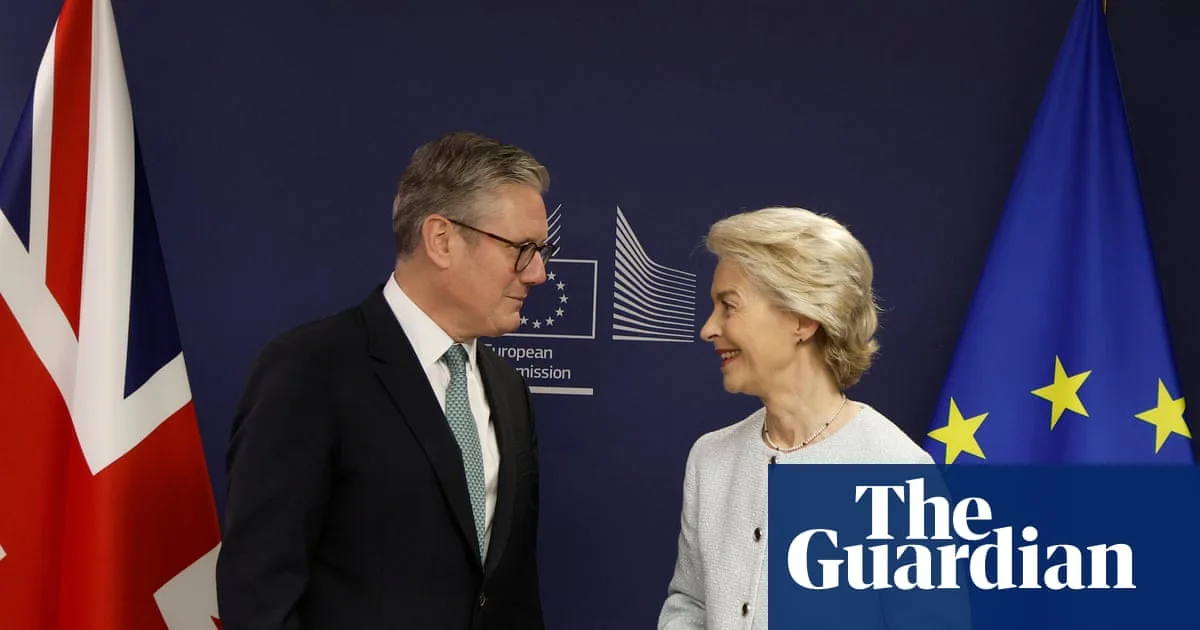
The Labour government, led by Prime Minister Keir Starmer, is preparing to introduce a new bill that could allow the United Kingdom to adopt European Union single market rules without undergoing full parliamentary scrutiny for each alignment. This move is part of a broader strategy to reset diplomatic and economic ties with the EU, following a deal announced in May last year aimed at strengthening the UK-EU relationship.

According to exclusive reports, ministers are planning to use so-called Henry VIII powers, named after a 1539 law enabling rule by decree, to implement dynamic alignment with EU regulations. This would permit the government to sign up to evolving single market rules if deemed in the national interest, without requiring a normal parliamentary vote each time.

Economic and Political Implications of the Reset Bill

The proposed legislation, expected to be introduced before summer, is designed to bring into force existing agreements on food and drink trade and emissions trading with the EU. It would also enable negotiators to adopt EU rules in sectors such as automotive and farming using secondary legislation. Parliament can only approve or reject such legislation, not amend it, which critics argue could lead to rubber-stamping rather than thorough debate.

Wide Pickt banner — collaborative shopping lists app for Telegram, phone mockup with grocery list

Ministers argue that this approach will add billions to the UK economy, help mitigate costs from recent global conflicts like the Iran war, and boost sluggish productivity. They emphasize that it will not involve rejoining the customs union, single market, or returning to freedom of movement, but rather promote trade by reducing barriers and red tape for businesses.

Criticism and Opposition to the Sweeping Powers

Opposition parties and some experts have raised concerns about the potential for "integration with the EU by stealth." Professor Anand Menon, director of the thinktank UK in a Changing Europe, stated that this move commits the UK to following EU rules without the voting or veto rights of membership. He highlighted the trade-off between political control and economic access post-Brexit.

The bill is likely to face resistance from hard Brexit advocates, including Nigel Farage's Reform UK, who may view it as a betrayal of Brexit principles. However, government insiders assert that international agreements inherently involve shared rules and that pragmatism is necessary for economic stability.

Background and Government Justification

Starmer's government has been actively seeking to improve ties with the EU, Britain's largest trading partner, since the reset deal was established. The prime minister has cited economic damage from Brexit, with the Office for Budget Responsibility estimating a 4% reduction in long-run productivity and a 15% drop in exports and imports compared to remaining in the EU.

A government spokesperson noted that the legislation will allow for the delivery of a food and drink trade deal worth £5.1 billion annually, supporting British jobs and reducing costs for farmers and businesses. They assured that parliament will have a role in scrutinizing new deals and EU laws applied under them, with disputes to be resolved by an independent tribunal rather than an EU court.

Shadow Business Secretary Andrew Griffith criticized the plan, arguing that it reduces parliament to a spectator and reflects Labour's inability to accept the Brexit referendum outcome. The Conservatives and Liberal Democrats have also expressed intentions to ensure full parliamentary scrutiny or use the bill to force Labour MPs to take positions on EU relations.

Pickt after-article banner — collaborative shopping lists app with family illustration




