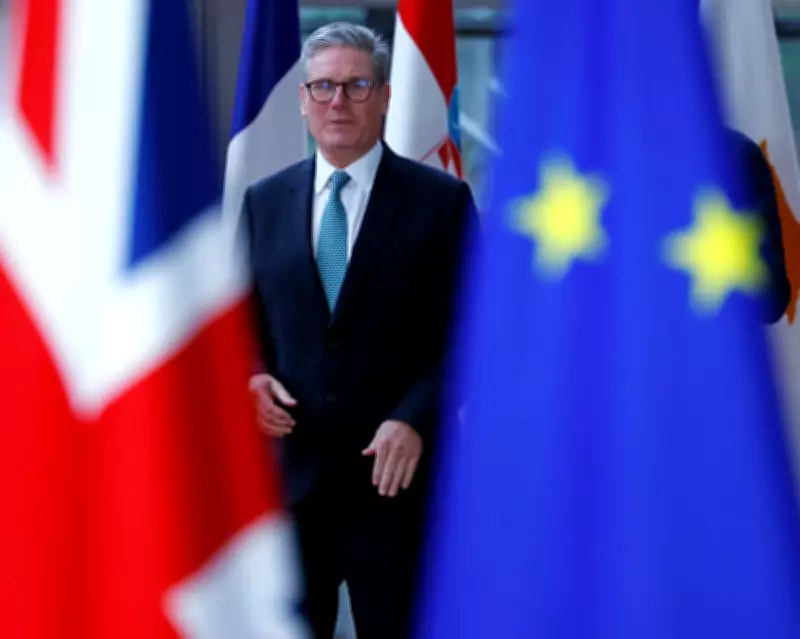
In a significant policy address, Labour leader Keir Starmer has unveiled a comprehensive four-point plan aimed at resetting Britain's relationship with Europe. This strategic initiative seeks to move beyond the divisions of Brexit and foster a new era of cooperation, trade, and security between the United Kingdom and its European neighbours.
Key Components of Starmer's European Reset Strategy
The plan, detailed in a recent speech, focuses on four critical areas designed to rebuild trust and collaboration. Starmer emphasised that this reset is not about reversing Brexit but about creating a pragmatic and productive partnership that benefits both Britain and Europe.
Enhanced Security and Defence Cooperation
Firstly, Starmer proposes strengthening security and defence ties with European allies. This includes closer collaboration on intelligence-sharing, counter-terrorism efforts, and joint military exercises. He argues that in an increasingly unstable global landscape, a united front with Europe is essential for national and regional security.

Improved Trade and Economic Relations
Secondly, the plan calls for improving trade and economic relations. Starmer advocates for reducing barriers to trade, streamlining customs procedures, and negotiating new agreements that facilitate smoother business exchanges. He highlights the importance of protecting jobs and boosting economic growth through stronger ties with European markets.
Cultural and Educational Exchanges
Thirdly, Starmer emphasises the need to revive cultural and educational exchanges. This involves promoting student mobility, academic collaborations, and cultural programmes that foster mutual understanding and goodwill. He believes that rebuilding people-to-people connections is vital for long-term diplomatic success.
Environmental and Climate Action Partnership
Fourthly, the plan includes a focus on environmental and climate action. Starmer proposes joint initiatives with European partners to address climate change, promote renewable energy, and protect biodiversity. He positions this as a key area where Britain can lead globally while working closely with Europe.
Political Context and Implications
This reset comes at a crucial time, as Britain navigates the post-Brexit landscape and seeks to redefine its role on the world stage. Starmer's approach contrasts with the more isolationist tendencies of some political factions, positioning Labour as a party committed to international engagement and cooperation.
Analysts suggest that this four-point plan could appeal to voters who are weary of ongoing tensions with Europe and are looking for practical solutions. However, it also faces challenges, including scepticism from pro-Brexit groups and the complexities of negotiating new agreements with the European Union.
Starmer's speech has sparked debate across the political spectrum, with supporters praising its forward-thinking vision and critics questioning its feasibility. As the next general election approaches, this reset strategy is likely to become a central theme in Labour's campaign, highlighting their commitment to rebuilding Britain's global relationships.
In summary, Keir Starmer's four-point plan represents a bold attempt to reset Britain's relationship with Europe, focusing on security, trade, culture, and climate. By advocating for a pragmatic and cooperative approach, he aims to steer the country towards a more integrated and prosperous future, while acknowledging the realities of the post-Brexit era.