

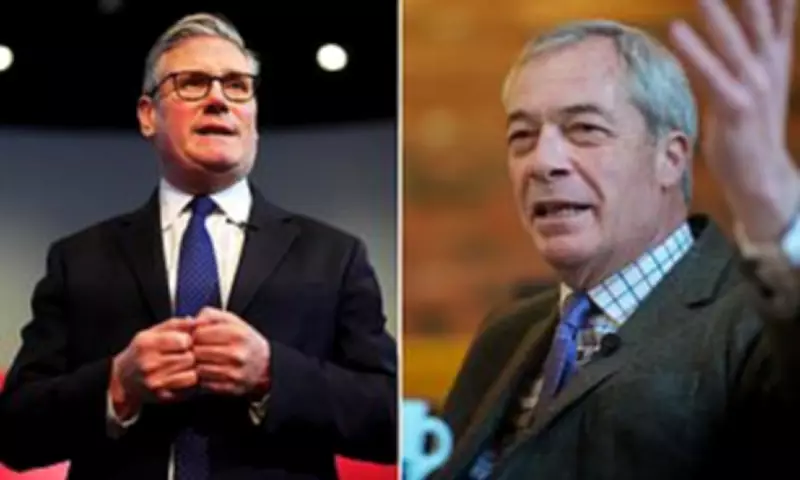
Prime Minister Keir Starmer has reignited the debate over Britain's post-Brexit relationship with the European Union by advocating for the UK to join a substantial EU defence initiative, while simultaneously delivering a sharp critique of the original Leave campaign's promises.
A Strategic Shift Towards European Defence Cooperation
As part of what he terms a 'reset' in UK-EU relations, Sir Keir is pushing to restart negotiations on British participation in the Security Action For Europe (SAFE) fund. This ambitious programme, valued at approximately £130 billion, is designed to provide member states with loans for rearmament efforts, particularly in response to the ongoing conflict in Ukraine, while also offering significant benefits to defence industries across the continent.
Financial Concerns and the Value-for-Money Debate
This move comes despite previous government reservations about the scheme's considerable cost. Last year, ministers expressed hesitation, with Brexit minister Nick Thomas-Symonds telling Parliament that he would only endorse agreements that demonstrated clear value for money, a standard he felt the SAFE proposal did not meet at the time.

However, speaking during his diplomatic tour of China and Japan, the Prime Minister struck a more conciliatory tone. He indicated a willingness to engage with the scheme if the financial terms could be made favourable. "I do think on spend, capability and cooperation we need to do more together," Sir Keir stated, emphasising the strategic importance of enhanced European collaboration.
Starmer's Direct Critique of Brexit Promises
In a pointed address, the Prime Minister directly challenged the legacy of the 2016 referendum campaign, specifically targeting claims made by Brexit architect and current political rival Nigel Farage. Sir Keir argued that many of the benefits championed by the Leave campaign have failed to materialise, leaving promises unfulfilled and businesses facing new complexities.
"Let us remind ourselves that he said if we left the EU it would be £350 million a week for the NHS – that didn't happen," Sir Keir remarked. He further criticised assertions that Brexit would reduce regulatory burdens for traders, suggesting that many businesses now face increased red tape when dealing with European markets.
The Migration Argument and Political Rebuttals
The Prime Minister also addressed immigration statistics, noting that regular migration has significantly increased since the UK's departure from the EU, contrary to predictions made during the referendum. This comprehensive critique forms part of a broader argument for reassessing Britain's stance towards European partnerships.
In response, Reform UK issued a statement defending the Brexit project, attributing any shortcomings in realising its economic benefits to governmental incompetence rather than the decision itself. The party maintained that Britain's global standing has been enhanced by its independence from EU structures.
Broader Context of UK-EU Realignment
This development occurs alongside ongoing discussions about closer alignment in other critical areas. EU trade commissioner Maros Sefcovic is scheduled to visit London this week for talks focusing on trade and energy cooperation, signalling a potential thaw in post-Brexit relations under the current administration.
Sir Keir's comments reflect a deliberate policy direction aimed at fostering what he describes as "good sense for Europe in the widest sense of the word – which is the EU plus other European countries – to work more closely together." Whether this will extend beyond defence into areas like the single market remains a subject of intense political scrutiny and debate.






