
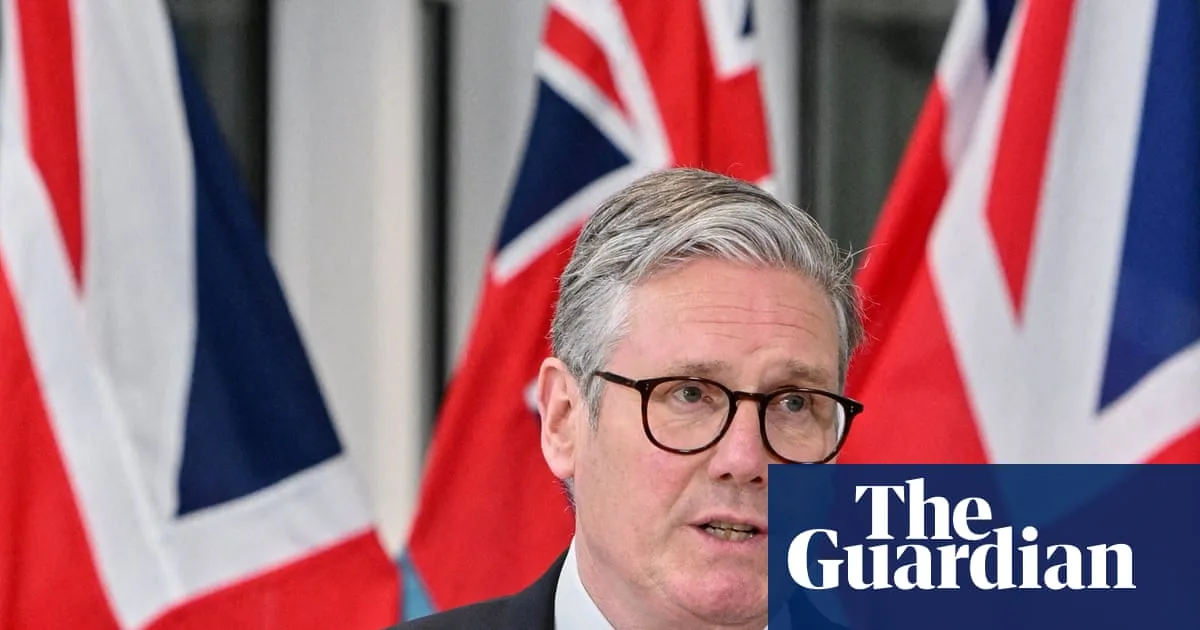
Prime Minister Sir Keir Starmer has told Parliament that the economic and security benefits of a closer relationship with the European Union are “simply too big to ignore”. In a statement on the Iran conflict and his visit to the Gulf, he argued that renewed ties with Europe are essential given global instability and the unpredictable nature of Donald Trump’s US administration.
Starmer said lessons must be learned from shocks to the cost of living, including Brexit, Covid and the Ukraine war. He stressed that the response “must and will be different to reflect the changing world that we live in”, including efforts to reduce energy bills. The government is reportedly planning to use so-called Henry VIII powers to dynamically align with EU rules by default, adopting changes to single market rules without full parliamentary scrutiny each time.
The Prime Minister condemned continued Israeli strikes on Lebanon after a ceasefire was agreed, and warned that Iran’s blockade of the Strait of Hormuz was “causing untold economic damage”. He confirmed the UK would not participate in any US-led counter-blockade. Starmer also criticised Trump’s threat against Iranian civilians, calling it “wrong”.
The push for closer EU ties has widened divisions with the Conservatives and Reform UK. Shadow business secretary Andrew Griffith accused Starmer of ignoring the 2016 referendum, while Reform leader Nigel Farage described the plan as “a total betrayal of the Brexit vote”. Starmer countered that opponents must recognise the world has changed, adding: “Let’s go forward and recognise that a stronger, closer relationship with Europe is in the UK’s best interest.”
The proposed bill, expected before the summer, could allow ministers to adopt EU rules on cars, farming and more via secondary legislation, which Parliament can approve or reject but not amend. A source said Parliament would still have a role, but blocking votes could prompt EU retaliation.




