
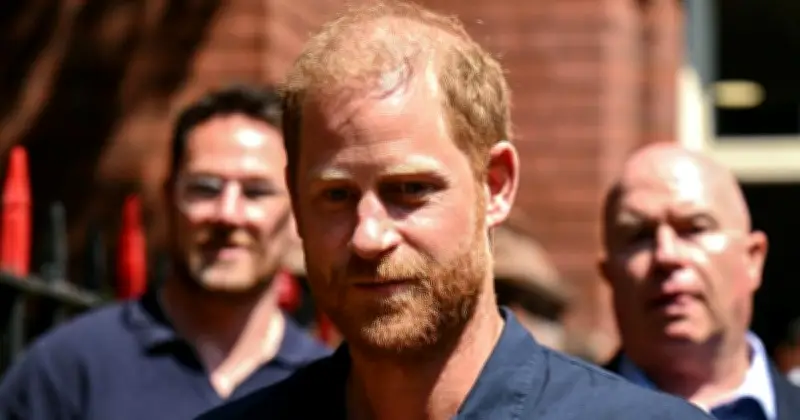
Prince Harry has been branded “poison for the monarchy” by controversial royal author Tom Bower, who argues that the Duke of Sussex’s visit to Britain this week could further damage the institution. The Duke, who stepped back from royal duties in 2020, returned to the UK on Monday for a week of non-royal engagements, including a visit to a children’s hospital, a one-year countdown event for the Invictus Games, goat yoga, and a reunion with his father, King Charles.
Harry’s UK Trip Draws Mixed Reactions
Harry, 41, flew alone to Britain on Monday but was joined later in the week by his wife, Meghan Markle, and their children, Prince Archie and Princess Lilibet, for private family time. This marks the first time the family of four have been together in the UK since 2022. While the trip has divided public opinion, many observers have noted a return of the fun-loving side of Harry that seemed absent since he left the UK six years ago.
However, Bower remains critical. In an interview with The Daily Express, he delivered a blunt seven-word assessment: “The man is poison for the monarchy.” He elaborated: “I think all the damage he and Meghan have done over the last 5 years, yes, there was again more damage, and the monarchy's popularity has fallen. It needs to rebuild its popularity and rebuild its respect for people. And Harry's presence in Britain just undermines that effort.”
King Charles Shows Willingness to Reconcile
Despite the couple’s vocal criticisms of the monarchy since their departure, King Charles appears willing to mend ties. This was evident when he hosted Harry, Meghan, and their children, along with Queen Camilla, at Highgrove on Friday. The meeting was a private family event, and no photographs or details have been released. The reunion signals a potential thaw in relations, even as public debate over Harry’s role continues.
Harry’s engagements this week have highlighted his ongoing connection to charitable causes, particularly the Invictus Games, which he founded for wounded veterans. Yet, Bower’s comments reflect a persistent strain of criticism that the Duke’s activities, however well-intentioned, risk overshadowing the monarchy’s efforts to maintain public support.




