

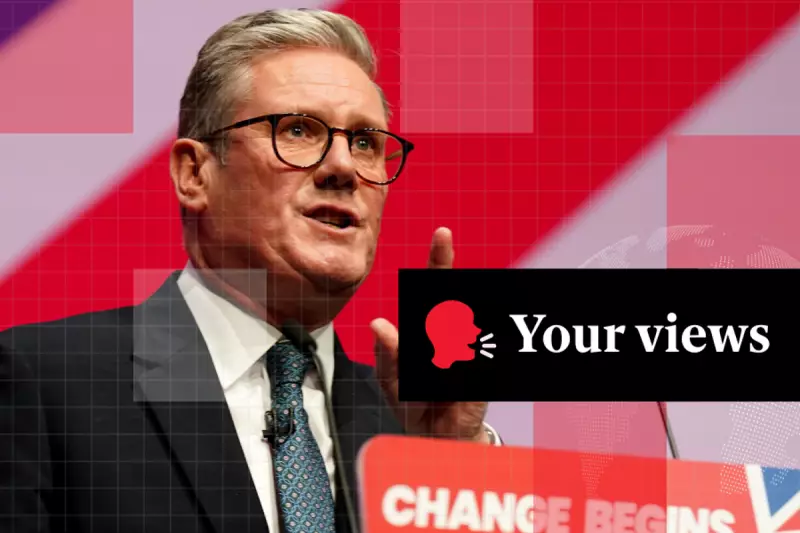
Brexit's 'Open Goal': Why Readers Say It Must Define Next Election
Sir Keir Starmer's recent signal that he plans to make Brexit a central dividing line at the next general election has sparked a fierce debate among Independent readers. Many have described the issue as an "open goal" for Labour, but only if the party tackles Brexit's failures directly rather than adopting a cautious approach.
Readers Bluntly Assess Brexit's Failures
In response to Starmer's strategy, readers were unequivocal in their assessment: Brexit has failed, and its damage is now impossible to ignore. They pointed to higher business costs, weaker economic growth, and Britain's diminished influence on the global stage as clear evidence of the fallout from leaving the European Union.
A recurring theme in the comments was frustration with Labour's perceived timidity. While some readers supported Starmer's slow-and-steady approach, arguing that letting Brexit visibly fail strengthens the case for closer EU ties over time, others were far more impatient. They urged Labour to spell out how the 2016 referendum was won on false promises and to make a clearer, more confident argument for closer alignment, particularly on trade, defence, and security.

The Political Risks of Reopening Brexit
However, not all readers agreed that focusing on Brexit is a winning strategy. A vocal minority warned that reopening the debate could be politically risky, potentially handing Nigel Farage fresh ammunition and alienating voters who still believe the 2016 vote must be respected. Others questioned whether the EU would even want the UK back, given ongoing political turmoil and the rise of Reform UK.
Overall, readers saw Brexit as an open wound in British politics, with many warning that how Labour handles it could decisively influence the outcome of the next election.
Key Reader Perspectives on Brexit and Labour's Strategy
Here is a summary of the main viewpoints expressed by readers in the comments section:

- The EU Has No Reason to Indulge the UK: One reader argued that the UK's "go it alone" attitude and recent political events have discouraged the EU from granting closer ties until trust is rebuilt. They noted that Brexit's effect on the EU has largely been absorbed, with strong opinions against UK rejoining.
- Labour's Internal Chaos Is the Real Problem: Another commenter agreed that Brexit should be a key issue but highlighted Labour's internal conflicts as a major obstacle, suggesting the party seems more focused on infighting than providing solutions.
- Letting Brexit Fail: Some readers supported Starmer's strategy of allowing Brexit to fail visibly, arguing that public disillusionment must grow before any move toward rejoining the EU or its single market can be successful.
- Open Goal for Labour: Multiple readers described Brexit as a political "open goal," citing polling that shows a substantial majority now see it as a mistake and desire closer EU relations.
- Win-Win on Trade and Defence: One perspective suggested that joining the customs union and agreeing a joint military strategy with the EU would benefit both business and security, especially given concerns about US reliability.
- A Vote Built on Lies Isn't Democratic: A passionate argument called for Starmer to explain how the referendum was based on false promises, advocating for another EU referendum based on facts to counter Reform UK.
- Reopening Brexit Could Backfire: Critics warned that revisiting Brexit might strengthen Nigel Farage and fail due to formidable opposition, given Labour's perceived weak direction.
- The Referendum Must Be Honoured: A minority view insisted that the 2016 result must be respected, with some calling for the UK to leave the ECHR to achieve a "proper Brexit."
The Path Forward for Labour
As the next election approaches, readers emphasised that Labour faces a critical choice. While Brexit presents a significant opportunity, success depends on whether Starmer can navigate the complex political landscape. He must balance the desire for closer EU ties with the need to avoid alienating Leave voters, all while addressing internal party divisions.
The consensus among many readers is clear: Brexit remains a defining issue for British politics, and Labour's handling of it could be the deciding factor in the upcoming electoral battle.





