The global wellness sector has ballooned into a $6.8 trillion behemoth, officially surpassing the pharmaceutical industry in value. For consumers in the UK and beyond, this means an inescapable barrage of advice: meditate, hydrate, fast, track, and ice-bath, all while trying to stay calm. The sheer volume has led to widespread burnout, prompting a significant shift in mindset as we move into 2026.
The 2026 Pivot: From Performance to Humanity
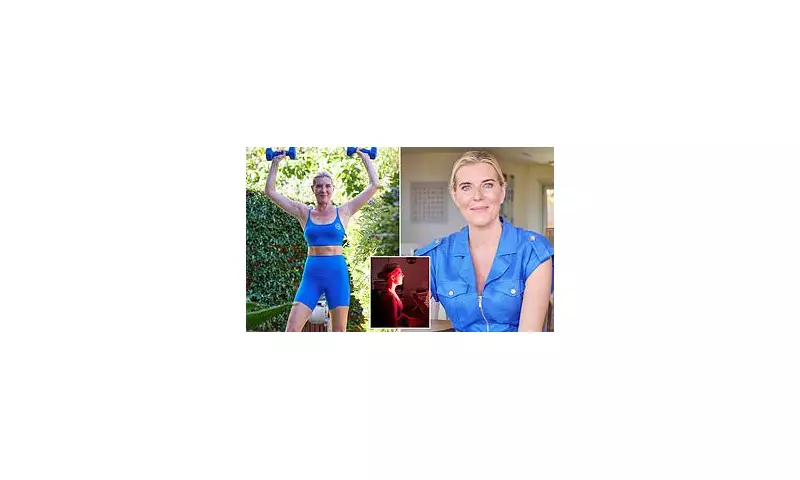
People are not abandoning wellness; they are walking away from the noise, pressure, and perfectionism that has come to define it. The trends gaining real traction are those that simplify rather than stress, fitting seamlessly into real life. According to Camilla Thompson, author of Biohack Me who reduced her biological age by a decade, the new focus is on sustainable, human-centric health.
What's In: The Rise of 'Healthgevity' and Joy
The leading concept for 2026 is 'Healthgevity'—shifting the focus from longevity (how long you live) to how many years you live in good health. This philosophy underpins the key trends set to dominate.

1. Social Wellness Takes Priority: Connection is now recognised as a foundational health practice, not merely a pleasant side effect. Activities like walking with a friend, sauna catch-ups, and group swims are in. The phenomenon of sober sauna raves is even gaining global momentum.
2. Joy as a Measurable Metric: The goal is no longer just stress reduction but actively increasing joy. Laughter, dancing, creativity, and play are being booked into diaries like essential meetings, marking a move from discipline to pleasure.
3. Enforced Digital Boundaries: Presence is part of the new protocol. This means tech-free hours, app limits, and banning phones from bedrooms, often using the very devices that cause distraction to help us use them less.
4. Accessible, Real-Life Biohacking: The era of elite, expensive protocols is over. Biohacking is being redefined through simple, sustainable basics that support energy, brain function, and recovery by tuning into the body's own signals.
5. Sleep Quality Over Scores: While tracking can help—68% of people change their behaviour after monitoring sleep—the ultimate goal is feeling rested, not chasing a perfect score on an app.
6. Personalised Data Over Guesswork: Preventative health is becoming proactive. More people are using DNA tests, hormone panels, and gut analysis to get targeted, personal insights instead of following generic advice.
7. The Simple Power of Walking: The most underrated exercise is having a major comeback. It requires no gym, app, or gear—just movement, ideally barefoot on grass or sand, offering low effort but high impact for mind and body.
8. Non-Negotiable Recovery: Practices like cold showers, stretching, and sauna sessions are now seen as integral to health, not a break from it. Slow Sundays and proper rest are where genuine growth happens.
9. Functional Strength Over Aesthetics: The aim is shifting from visible abs to being able to lift, carry, move, and climb stairs without pain. The new goal is strength, mobility, and ageing well.
10. Nature as Prescription: Ocean dips, sunlight, and gardening are being embraced as daily medicine. The trend is so recognised that doctors in some countries now formally prescribe time outdoors.
What's Out: Ditching the Hustle and Guilt
As these humane trends rise, others are being consigned to history.
1. Drinking to Unwind: The after-work drink is losing its appeal. People are questioning their relationship with alcohol not out of fear, but for clearer energy, mood, and sleep, making it a conscious choice rather than a default.
2. Performative and Celebrity Wellness: Curated morning routines and aesthetic smoothie bowls designed for social media are falling flat. Advice from celebrities with private chefs and trainers is being tuned out as irrelevant to real life.

3. Ultra-Processed Foods: A major 2025 global review confirmed these foods cause harm across nearly every organ system. People are now prioritising whole foods as a foundational health investment, not a fleeting diet trend.
4. Shame and Quick-Fix Culture: The language of 'being good' or 'falling off the wagon' is out. Wellness in 2026 is consistent, flexible, and kind. Extreme 30-day resets, detox teas, and supplement overload are being replaced by balance and targeted, test-led approaches.
5. The Health Hustle: Grinding through fatigue, skipping rest, and treating health like a second job is on its way out. Listening to your body is now seen as the pinnacle of high performance.
The evolution is clear. The industry is stripping back the noise, returning to basics, and focusing on what genuinely works for how people actually live, not for an idealised, algorithm-pleasing version of life.