That soft, absorbent bath mat you step onto every day could be a hidden hub for germs and mould, according to a stark new warning from hygiene specialists. While most of us diligently clean our bathrooms, this everyday item is often overlooked, creating a potential health risk for millions of households across the UK.
The Hidden Dangers in Your Bath Mat
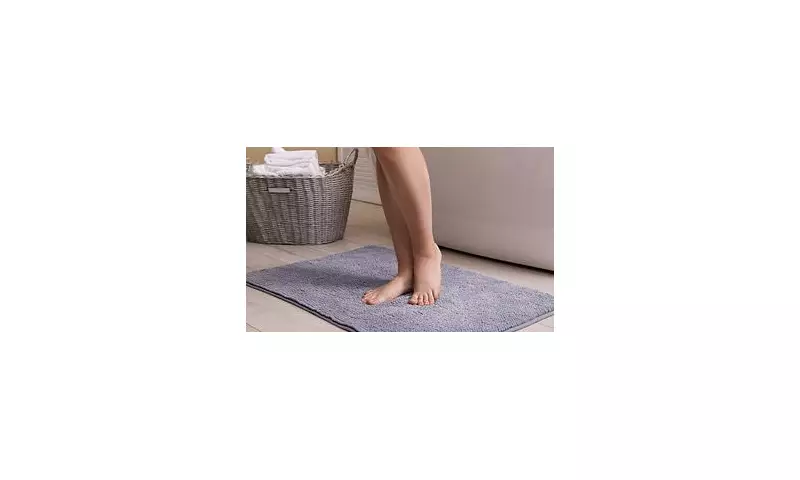
Experts at Plumbworld have highlighted that the warm, damp environment of a bathroom is the perfect breeding ground for bacteria and mould. Your bath mat is particularly vulnerable because it soaks up water with every use. If it remains damp, especially mats with rubber backs that can trap moisture, mould can quickly start to grow underneath.
Washing your bath mat only once or twice a year is simply not sufficient to combat this. The specialists advise that the best defence is to wash bath mats weekly on a hot cycle. After washing, it is crucial to dry them thoroughly, either outside on a washing line or indoors on a radiator.
They also caution against leaving the mat flat on the floor while it is still wet, as this prevents moisture from escaping. If your mat has developed dark spots or has a persistent mildew smell, the experts recommend throwing it away and buying a new one immediately.
Other Bathroom Germ Hotspots You're Ignoring
Worryingly, the bath mat is not the only item requiring vigilant hygiene. Several other bathroom essentials can become infested with germs over time, potentially leading to skin irritations, stomach bugs, or breathing issues if not cleaned or replaced regularly.
Your toothbrush is cited as one of the dirtiest items in your bathroom. Bristles can trap bacteria and toothpaste residue. A significant risk comes from the 'toilet plume' – the fine spray released when you flush which can settle on nearby toothbrushes. Experts recommend replacing your toothbrush every three months, or sooner if the bristles look worn out.
Shower loofahs and sponges are another prime breeding ground for bacteria, as they collect dirt, moisture, and soap residue. They should be rinsed after every use, washed once a week in hot water, and replaced every month or two.
Old towels can also be a hidden source of bad smells and germs as they collect dead skin cells, body oils, and bacteria. Plumbworld advises washing towels every three to four uses at a hot temperature of at least 60°C. If they start to smell musty or feel rough, it's time to replace them, ideally every couple of years.
Finally, out-of-date toiletries and cosmetics can gather bacteria, especially in a warm, steamy bathroom. Using these expired products can irritate your skin, eyes, or scalp. To prevent this, keep lids tightly closed and store products in a cool, dry place.
Creating a Healthier Bathroom Routine
The overarching message from the experts is one of proactive prevention. Even a bathroom that looks clean can harbour unseen threats on everyday items.
By adopting simple habits like replacing old toothbrushes quarterly, washing towels frequently, and ensuring bath mats are washed and dried properly each week, you can significantly improve your bathroom's hygiene. These small changes can make your bathroom a much healthier place for you and your entire family.