The High-Priced Pursuit of Wellness and Connection in New York City
New York City's burgeoning wellness club scene presents an alluring proposition: improved physical health, mental well-being, and meaningful social connections, all wrapped in a luxurious, members-only package. With monthly fees reaching as high as $480, these establishments market themselves as antidotes to urban isolation and stress. But do they genuinely foster community, or are they merely selling an expensive illusion of belonging? A detailed exploration of three of the city's most sought-after clubs reveals a complex picture where self-care intersects with commodification.
A Sweaty Search for Gratitude at Othership
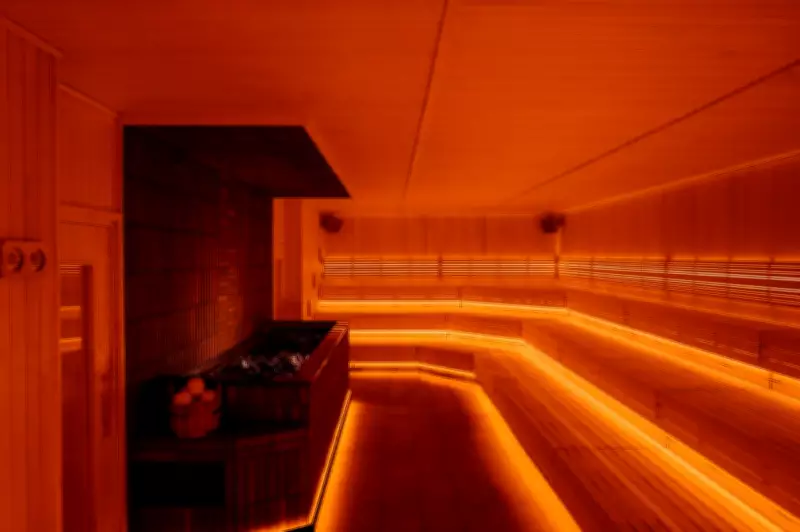
At Othership, one of New York's prominent wellness clubs, the experience begins in a massive, 185-degree sauna packed with 64 participants. The air is thick with heat and collective exertion as an instructor leads a "Guided Gratitude" session. Members are encouraged to share personal triumphs—leaving a toxic job, striving for confidence—met with supportive applause from strangers. Marketed through aesthetically curated Instagram ads brimming with buzzwords like "community," "energy reset," and "connection," Othership charges up to $333 monthly. Amenities include performance saunas, ice baths, and lounges with complimentary tea.
However, the promised connection often feels fleeting. Post-session, instead of lingering conversations fueled by shared vulnerability, the room empties rapidly. Towels are gathered, eyes avert, and the intimacy conjured in the sweltering heat dissipates almost instantly. For some, like 28-year-old executive Adam Farber, who visits six times weekly, the club has been transformative, improving patience and sleep and leading to five new friendships. "People at Othership all share the elective investment into wellness," Farber notes, distinguishing these bonds from his other social circles.

Opulent Silence at Moss NYC's Bedrock Aquatics
Next, the investigation turns to Moss NYC, a five-story members-only club in midtown Manhattan boasting its own bars, restaurants, and a two-floor wellness space named Bedrock Aquatics & Athletics. For a substantial $480 per month plus a $1,500 initiation fee, it promises "innovative group offerings" that "foster social connection." The gym impresses with bespoke equipment, button-back armchairs, an indoor pickleball court, and luxe details like wooden-finished dumbbells. The women's changing room offers fluffy bathrobes, towels, and high-end skincare samples.
Yet, the bathhouse presents a paradox: a gleaming vitality pool, marble hot tub, and steam room come with a sign enforcing a strict no-talking policy—hardly conducive to connection. Julie Wandzilak, Head of Physical Culture at Bedrock, argues that friendships naturally develop through repeated gym visits, facilitated by trainers and instructors introducing members. The environment is curated for connection, she asserts, though the silent bathhouse suggests otherwise.
Cozy Comfort and Organic Bonds at Lore Bathing Club
The final stop is Lore Bathing Club in NoHo, a two-storey space featuring cedar-lined and infrared saunas alongside a communal cold plunge. With a membership cost of $225 monthly, it's the most affordable of the three, exuding a cozy, welcoming atmosphere compared to the overt opulence of its counterparts. Members report positive experiences regarding both wellness and friendship-building.
Arjan Singh, 32, joined for his love of sauna and cold plunge, finding the social aspect a pleasant bonus. "It's been more about reconnecting with people I already know," he shares, leading to post-session meals. Maggy Rogow, 37, uses Lore to manage seasonal affective disorder and appreciates the natural conversation flow. "Everyone's a little more vulnerable," she explains, citing bathing suits and towels that reduce social barriers. For these members, the club delivers on its promises of community and well-being.

The Loneliness Epidemic and the Wellness Club Solution
Wellness clubs aggressively market "community" against a backdrop of America's loneliness crisis. Recent findings indicate over 60% of adults report feeling lonely, with half experiencing isolation or lack of companionship. Dr. MaryEllen Eller, a board-certified psychiatrist, acknowledges these clubs can benefit those who can afford them, providing environments to connect with like-minded strangers. However, she cautions that they are a luxury, not a guaranteed cure. "You can walk out having paid a lot of money and gained nothing from it," she warns, suggesting alternatives like meet-up groups centered on shared interests, such as yoga in the park.
Weighing the Cost of Connection
After visiting these exclusive venues, the journalist concludes that while the physical benefits—better sleep, stress relief, an urban escape—are tangible, the promise of consistent community is less assured. In saunas, members often seem inwardly focused, prioritizing personal well-being over engagement with others. These clubs operate at the tricky intersection of self-care and commodification, demanding skepticism when considering hundreds of dollars in monthly fees. They offer a glossy, premium method to alleviate modern stresses, but no guaranteed remedy for loneliness. For many, connection might be found more authentically and affordably elsewhere, without the hefty price tag.