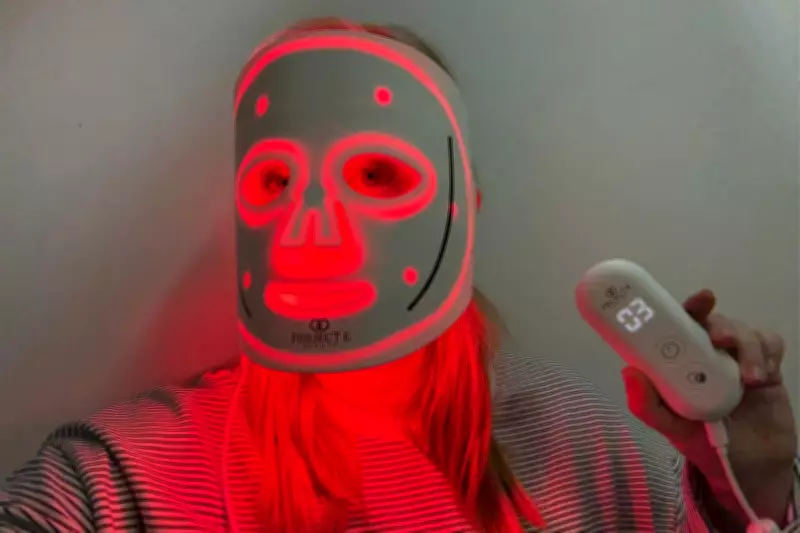
Do LED Face Masks Actually Work? The Expert Insight
The Independent's journalism is supported by our readers. When you purchase through links on our site, we may earn commission. Why trust us? LED face masks have become the latest obsession in skincare, joining the ranks of facial massage tools and the Lyma laser. With brands like Currentbody and Silk'n flooding the market, red light therapy is no longer confined to high-end clinics. But as these devices become more accessible, questions arise about their reliability and value. To uncover the truth, we consulted Dr Ahmed El Muntasar, an NHS GP and award-winning aesthetic doctor from Mayfair.
Meet the Expert: Dr Ahmed El Muntasar
Dr Ahmed El Muntasar is an NHS GP and aesthetic doctor who owns The Aesthetics Doctor clinic in central London. With over 10,000 procedures under his belt and four British Aesthetics Awards to his name, he is a trusted authority in skincare treatments.
The Verdict on LED Face Masks
"Absolutely, LED masks do work," reassures Dr Muntasar. He points to substantial evidence supporting their use both in clinics and at home for specific skin issues. The technology operates through photobiomodulation, using light energy to stimulate the skin's natural processes. This can reduce inflammation, boost collagen production, and aid overall skin healing. Collagen, a natural protein in the body, provides structure and strength to the skin. Dr Muntasar regularly incorporates LED therapy into treatment plans to enhance results and recovery.

Recommended Devices
For those seeking expert-approved options, Dr Muntasar recommends the Currentbody Skin LED Light Therapy Mask Series 2 and the Omnilux Contour Face. He praises both for their design, clinical backing, and ability to deliver the correct wavelengths for effective results. In independent testing, the Currentbody mask earned top marks for leaving skin feeling bouncier and more lifted.
- Currentbody Skin LED Red Light Therapy Face Mask: Series 2 – £400 from Currentbody.com
- Omnilux Contour Face – £348 from Omniluxled.com
How LED Masks Function
LED masks emit specific wavelengths of light that penetrate the skin at varying depths, triggering biological responses. Dr Muntasar explains that the key mechanism involves stimulating mitochondrial activity in skin cells, which increases ATP production. ATP serves as the energy source for cells, enhancing cellular function, collagen synthesis, and repair processes. Additionally, it helps reduce inflammation and supports the skin's natural healing response.
Timeline for Results
Results vary based on skin concerns. For collagen stimulation and anti-ageing benefits, expect around 12 weeks. General skin quality and a radiant glow may improve within six weeks. Acne-prone individuals might see results sooner, typically within four weeks, depending on the condition being treated.
Usage Guidelines
For optimal outcomes, Dr Muntasar suggests using LED masks daily or at least five times a week. Consistency is crucial, as benefits accumulate over time rather than being immediate. Most devices are designed for sessions of about 10 minutes, though some, like the MZ Skin Golden Facial Treatment Device, may require up to 30 minutes.
Light Colour Efficacy
The most evidence-backed wavelengths are red light (630-660 nanometres) and near-infrared light (800-850 nanometres). Red light stimulates collagen production, improves fine lines and wrinkles, and enhances skin texture. Near-infrared light penetrates deeper, aiding healing and reducing inflammation. Blue light targets acne-causing bacteria superficially, while green light may help with pigmentation, though evidence is limited. Dr Muntasar advises focusing on red, near-infrared, and blue light, as other colours lack robust support.
In summary, LED face masks are effective for skincare when used consistently with the right wavelengths. While they come with a premium price tag, expert-backed models can deliver tangible benefits for those seeking to enhance their skin health.