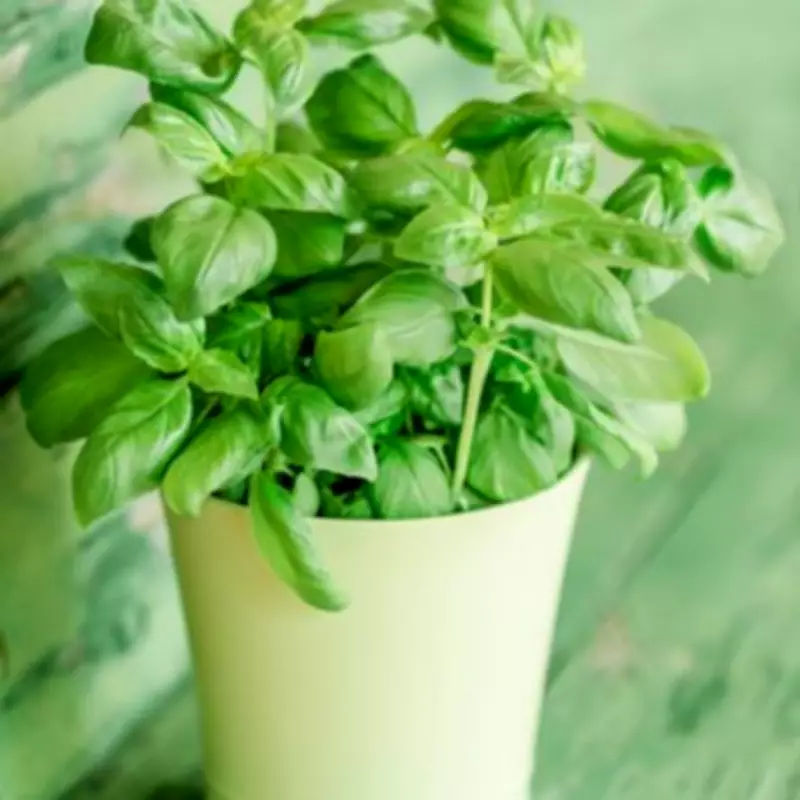
There is something deeply rewarding about cultivating your own herbs, particularly when a supermarket plant costs just £1. Many people discover that these pots quickly deteriorate and perish, and I experienced the same issue. However, it appears the difficulty is not with the plant at all – it is down to how it has been packaged.
Why Supermarket Basil Fails
Supermarket basil has a notorious reputation for being unreliable, though not because it is feeble or inadequately cultivated. Actually, quite the reverse. Each pot typically contains scores of young basil seedlings, all vying for the same limited soil, water and nutrients. When left in the compact pot it arrived in, the plant rapidly depletes its resources, which explains why it tends to wilt so quickly.
The Simple Solution
The straightforward solution is to divide them up. When I brought my basil plant home, I carefully lifted it from its container and gently loosened the root ball. By splitting them into smaller groups and transferring them into individual pots with fresh compost, each cluster suddenly had space to flourish and develop. Within days, they revived, and within weeks, they were absolutely thriving. I even ended up with sufficient basil plants to share with relatives and friends.

Tips for a Thriving Basil Plant
Basil, above all herbs, is incredibly gratifying: the more you pick from it, the more it spreads and develops a fuller shape. I now maintain a consistent supply of basil, both on my kitchen windowsill and outdoors, to elevate my cooking. Herbs are remarkably tolerant, and if you lack any outdoor space, a basic windowsill will suffice.
A reliable guideline for most herbs is to water them about once a week. During periods of extreme heat or drought, they may require watering twice weekly. It is advisable to water during the cooler morning hours to prevent evaporation and ensure thorough root penetration.