For countless individuals, a gel manicure has become as commonplace as a regular haircut, prized for its durable, chip-resistant finish that can last up to three weeks. However, beneath that glossy, robust surface lies a growing concern: are these widely popular treatments secretly harming our natural nails? Margaret Dabbs OBE, a renowned podiatrist and founder of Margaret Dabbs London, suggests that the reality is nuanced, lying between the gels themselves and our post-application care.
The Real Risks Behind Gel Manicures
Margaret Dabbs addresses the prevalent fears, stating, "There are a lot of horror stories surrounding gel manicures," which stem from both salon and at-home experiences. These accounts often include inflammation, heightened sensitivity around the nail and cuticle, infections, and significant nail damage. She emphasises that "this can be due to the application and removal process of the gel treatment, quality of the products being used, impact of the ingredients and, of course, the technique adopted by the therapist." In essence, gels are not inherently destructive; the harm typically arises from how they are applied, their composition, and, critically, how they are removed.
Why Gels Can Weaken Nails Over Time
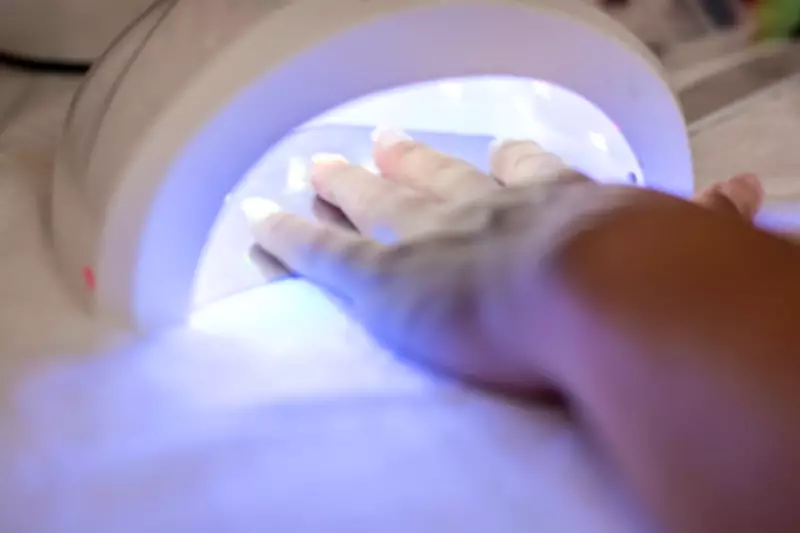
Gel and 'builder in a bottle' (BIAB) manicures depend on thorough preparation. Nails are buffed to ensure proper adhesion, then cured under UV or LED lamps. Removal usually involves soaking in acetone and scraping away the softened layers. Dabbs explains, "Gel and BIAB manicures can weaken nails because of the preparation and removal process; over-buffing, acetone and scraping all strip the nail of natural oils and damage the keratin layers. This leaves nails thin, dry and prone to peeling." When this cycle repeats every few weeks without interruption, nails lack the opportunity to recover, becoming paper-thin, sensitive, and brittle over time, a condition that may worsen with age.

How Often Is Too Often for Gel Manicures?
There is no strict guideline for safe frequency, but problems often begin with constant back-to-back appointments without adequate breaks. Dabbs advises, "To minimise damage, always have gels removed professionally, give your nails regular breaks and nourish them daily." These breaks do not require a month-long hiatus; even a couple of weeks between sets can significantly help. During these intervals, hydration is vital, with quality cuticle oil restoring flexibility and comfort to both nail and skin.
The Biggest Mistake: Peeling Off Gel Manicures
Few habits are as damaging as picking or peeling off gel polish. It might be tempting when a corner lifts, but this action removes layers of the natural nail along with the product. Dabbs urges a gentler approach: "I'd recommend practising gentle nail care. When grooming the nails, it's important to handle them with care. Avoid aggressive filing, abrasive instruments, acetone nail polish remover or metal gel removal techniques." Peeling may feel satisfying momentarily, but it leaves the nail surface uneven and fragile, hindering future adhesion of gel or strengthening polish and perpetuating a cycle of damage.
For at-home removal, patience is key. Thorough soaking and gentle easing of the product are safer than forcing it off. While regular acetone exposure is not ideal, visiting a trusted nail technician is often best. In salons, technique remains crucial; rushed removal frequently causes the most harm, so monitoring the process closely is essential.
Safer Alternatives for Long-Lasting Nails
For those who adore polished nails but wish to avoid gel-related wear-and-tear, alternatives exist. Dabbs recommends upgrading basic tools: "You should be ditching emery board nail files and use a good-quality crystal nail file," which promotes healthy growth and prevents splitting or breaking. Hydration is equally important: "It's important that your nail bed and cuticles stay hydrated, as this will keep them looking healthy and will in turn promote strong nails." When wearing polish, the base layer matters; opt for one that aids nail growth and strength.

Ingredient awareness also plays a role in healthier nail care. Dabbs highlights that many traditional formulas contain chemicals now rejected by experts, such as trimethylbenzoyl diphenylphosphine oxide (TPO), banned in the EU due to safety concerns but not yet in the UK. By choosing products free from such substances, individuals can better protect their nail health while enjoying beautiful, long-lasting results.