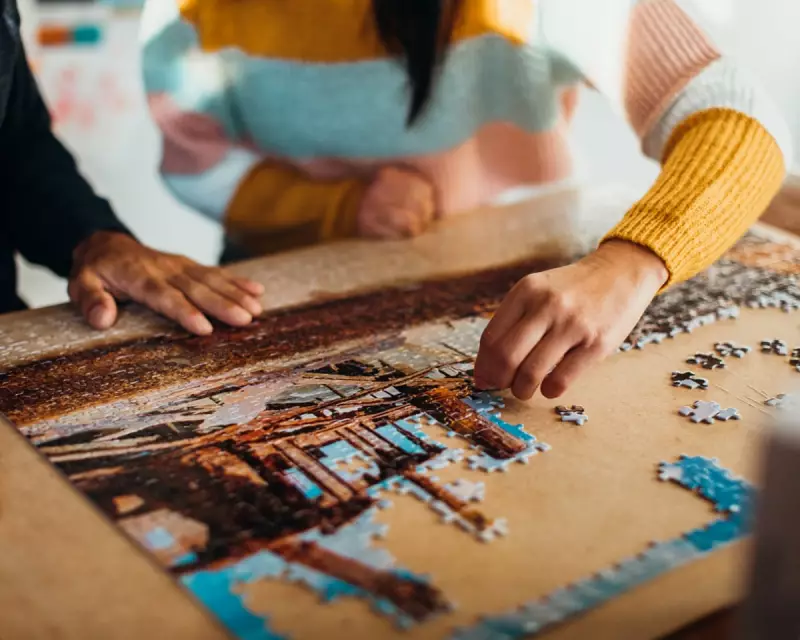
For author Nova Weetman, the path to processing profound grief was found not in grand gestures, but in the quiet, methodical search for the right-shaped piece of cardboard.
A Legacy of Puzzles Begins
The story starts years earlier, with Weetman's young daughter. From her first days in kindergarten, the child would bypass toys and balls, heading straight for the puzzle table. She displayed a natural, untaught talent for the jigsaw, systematically finding corners, building edges, and filling in blocks of colour.
Inspired by this focus, Weetman began collecting second-hand puzzles from garage sales, embracing the risk of missing pieces for the joy they brought. The family tradition peaked one Christmas when a friend gifted a custom 500-piece puzzle featuring her daughter's face, which they completed together on the floor.

The Table That Changed Everything
As her children grew into teenagers, the sparkly unicorn puzzles were passed on and card games like Cheat and Poker took over family evenings. The jigsaws were largely forgotten until a sudden family tragedy last year. Following the unexpected death of her father, Weetman found her mind in constant, anxious loops, struggling to write or complete tasks.
While clearing his house, she inherited the long dining table from her childhood. This piece of furniture, capable of hosting impressive feasts, also presented a new possibility: space for a large puzzle. Soon after, she discovered an unopened 1,000-piece jigsaw of a lush garden and stream, a forgotten Christmas gift from her daughter.
The Meditative Power of Completion
Drawn by its perceived difficulty, Weetman sat at her father's table and began. She mirrored her daughter's technique: corners, edges, then patches of colour. Hours drifted by with only breaks for tea or to change a record. Her cat, demanding attention, would plonk herself in the middle of the work-in-progress.
"Soon I realised that it was the first time in months that I’d felt in my body," she recalls. The relentless overthinking ceased, replaced by a singular, simple mission: find the piece that fits. The picture itself became irrelevant; the act of completion was everything. This simplicity, she describes, became a form of meditation.
When the final piece of the 1,000 snapped into place, a profound calm settled over her. It was a peace she had not felt for months. Shortly after, she dismantled the finished scene, boxed the pieces, and immediately donated it, heading to the op shop to find her next therapeutic project.
Nova Weetman's experience underscores a powerful truth: sometimes, the most complex emotions require the simplest, most focused tasks to untangle. In the search for a perfectly shaped piece, she found a way to piece herself back together.