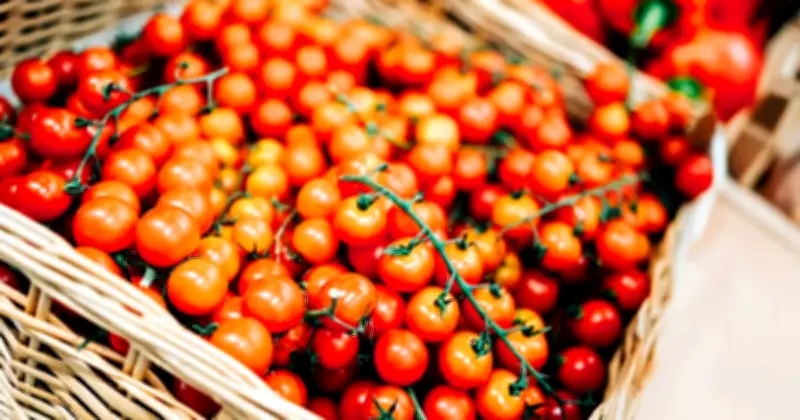
Cherry tomatoes may be a healthier choice than their larger heritage counterparts, according to nutritionist Rob Hobson, who attributes the difference to the fruit's skin. In an article on the topic, Hobson explained that while all tomato varieties contain lycopene, cherry tomatoes deliver a more concentrated dose due to their higher skin-to-flesh ratio.
Lycopene and Antioxidant Benefits
Lycopene is a plant nutrient responsible for tomatoes' red colour and is known for its antioxidant properties. Healthline reports it has been linked to better heart health and protection against certain cancers. Hobson told the Mail: "Many of the protective plant compounds are just beneath the skin because this is the part of the fruit exposed to sunlight and environmental stress. The skin contains fibre and is rich in polyphenols and flavonoids, which are antioxidants."
Why Cherry Tomatoes Pack a Nutritional Punch
According to Hobson, cherry tomatoes may contain more beneficial compounds per gram because of their skin-to-flesh ratio. He explained: "You are likely to eat more than one cherry tomato in one go which means you'll consume proportionally more skin than you would if you were eating a single beef or heritage tomato." This does not mean larger tomatoes are unhealthy, but it helps explain "some of the nutritional differences," he added.
Gardening Tips for Homegrown Tomatoes
In related news, Gardeners' World star Monty Don has shared advice on protecting homegrown tomatoes from blight. In his July blog post, he outlined the "best defence" against the disease, which impacts tomato foliage and fruit, leading to rot. He wrote: "I do not plant my outdoor tomatoes until June. But once they are in the ground, they will grow strongly and need regular tying up." He also removes side shoots and waters them. Monty noted that the risk of blight increases in late July, dependent on high humidity and warm days and nights. He advised: "The best defence for outdoor tomatoes is good ventilation and stripping off the lower leaves as the fruits develop, which helps this."