Pastry Chef's Secret to Fluffier Scones: One Simple Ingredient
Chef's Secret to Fluffier Scones: One Ingredient

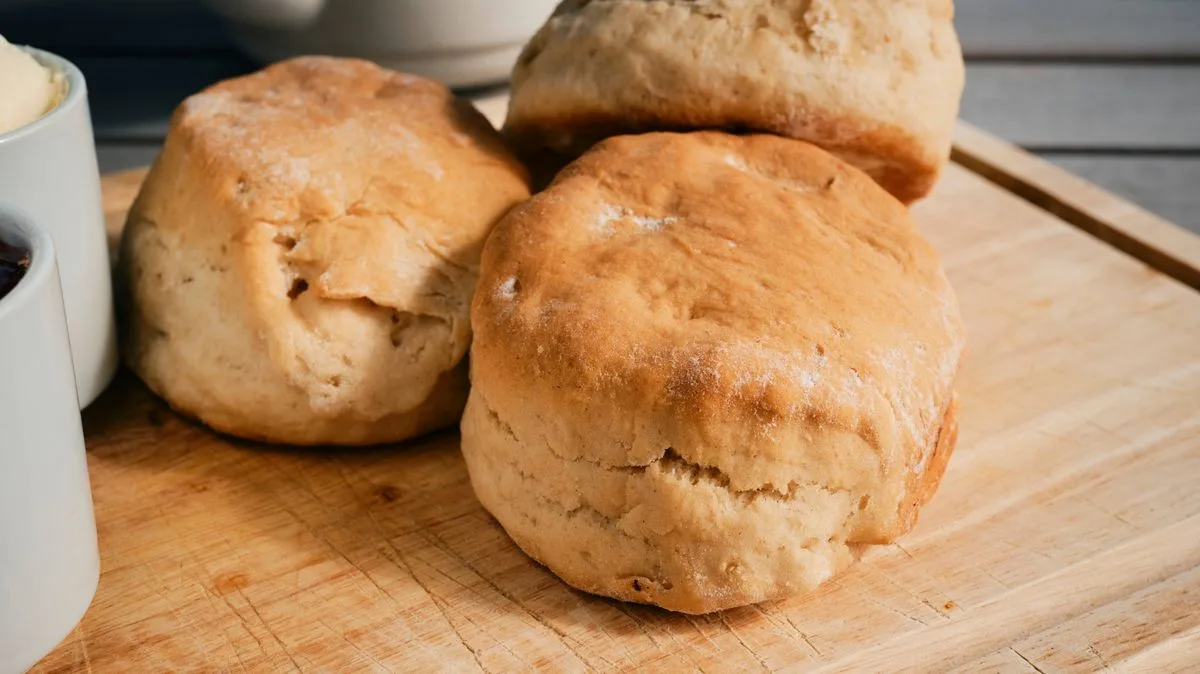
Pastry chef shares how to make scones fluffier and rise taller with 1 simple ingredient. Master the art of perfect British scones with a pastry chef's technique that ensures a fluffy, well-risen result every time.

Scones have long been a cherished British treat, providing the ideal accompaniment to any afternoon tea. Whether prepared sweet or savoury, filled or plain, they're an adaptable delicacy that caters to diverse preferences.

Better still, the recipes for them are relatively straightforward to prepare and require only a few basic ingredients, meaning even inexperienced bakers can successfully whip up a batch at home.

Wide Pickt banner — collaborative shopping lists app for Telegram, phone mockup with grocery list

That said, as with any baking endeavour, things can go awry, leaving you with a dry, heavy, and disappointing scone.

To prevent this outcome, Chef Lindsey Farr, who boasts decades of expertise as a pastry chef and professional cook in New York restaurants, insists that the "secret" to exceptional scones hinges on a single ingredient – the butter. It's both the variety of butter selected and the method of incorporating it that proves crucial.

Always use cold cubed butter for scones. To achieve a fluffy texture in any scone, the ingredients, particularly the fats, must be kept cold.

Lindsey says that the key to making "perfect English scones that are moist, tender and dense" is to use cold, cubed butter. Chilled butter stops it from melting prematurely before the scones bake and helps you attain a lighter crumb.

She said: "Keeping the butter cold limits gluten formation in two ways: by cutting the gluten strands short and by keeping the proteins cold. Cold butter will also release moisture via steam when it hits the hot oven, creating even more rise."

Alongside using chilled butter, the other essential step is to "cut the butter into the dry ingredients". Unlike cake or biscuit dough, which typically requires room temperature ingredients to prevent a lumpy, separated mixture, dough recipes such as scones, biscuits and pie crust generally demand cold butter to be "cut into" the dry ingredients.

Frequently, this type of recipe will instruct you to chop butter into small chunks, then chill briefly before cutting it into the dry ingredients using a pastry blender or simply your fingertips.

Cutting the butter into dry ingredients is Lindsey's "secret for perfect scones". She explained: "This allows the butter to evenly coat all the flour, which will inhibit gluten formation. Too much gluten leads to tough rather than tender scones."

Dispersing the fat throughout the dry ingredients produces the lighter, flakier textures in the finished baked goods.

Pickt after-article banner — collaborative shopping lists app with family illustration