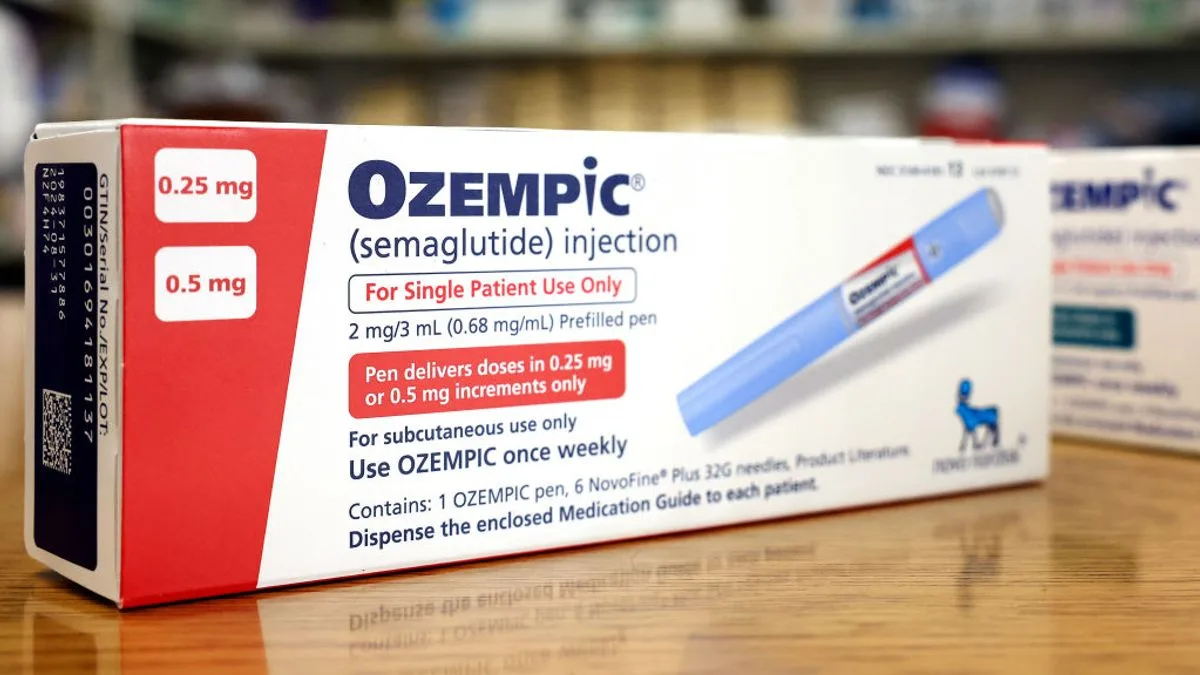
Ozempic Arms: New Side Effect of Rapid Weight Loss Drugs
Ozempic Arms: Rapid Weight Loss Side Effect

We have all heard about Ozempic face, but now a doctor has pointed to another side effect that is equally unforgiving and hard to escape. When the fat vanishes as medicines such as Ozempic and Mounjaro work their magic by suppressing appetite, those who take them exclaim that the benefits are as plentiful as the food they once devoured. However, potential pros aside, there is a raft of less-than-appealing side effects that might be particularly hard for users to swallow, including 'Ozempic arms'.

What Are Ozempic Arms?

Much like the cause of 'Ozempic face' — the sagging, gaunt facial skin caused by rapid weight loss — the upper limbs also face similar consequences, experts say. Dr Ross Perry, Medical Director of Cosmedics skin clinics, explained: 'The arms can lose volume and elasticity quite quickly, leaving the skin looking loose, crepey or prematurely aged.' He added: 'What is essentially happening is that when the body loses fat at a fast rate, it does not just come from the stomach or thighs, it also comes from areas where we naturally rely on a layer of fat for firmness and structure, including the upper arms.'

As that fat disappears, the skin can struggle to tighten back up, particularly as collagen and elastin production naturally decline with age. The result is thinner-looking arms with sagging skin, more visible veins, wrinkling, and a loss of tone around the tricep area.

Wide Pickt banner — collaborative shopping lists app for Telegram, phone mockup with grocery list

Celebrities and Ozempic Arms

While stars including Demi Moore, 63, and Nicole Kidman, 58, have not admitted to using such drugs, fans have noted that the actresses appear to have lost weight rapidly in a short amount of time, and the proof might be in their arms. The latest effect of weight loss drugs is 'Ozempic Arms', and those aged 35 and above are the most vulnerable. Demi Moore, star of The Substance, has repeatedly revealed her thinner-than-ever frame, with her upper arms showing signs of sagging, much like her peer Nicole Kidman.

Elsewhere, Kelly Osbourne, 41, who has denied using Ozempic despite previously praising the medication, has arms of a similar appearance, with wrinkles forming at the tricep area.

Who Is Most at Risk?

Dr Ross continued: 'It tends to be more noticeable in patients over 35, or in those who have lost a significant amount of weight in a relatively short period of time. Genetics, sun damage, menopause, hydration levels and muscle mass also play a role in how severe it appears.' Visually, people often describe 'Ozempic arms' as skin that suddenly looks older than the rest of the body, with a soft, hanging appearance or a 'batwing' effect under the arms. In some cases, the texture of the skin can become thin and crinkled because there simply is not enough underlying fat or muscle supporting it anymore.

Growing List of Side Effects

'Ozempic arms' finds itself added to a growing list of terms that describe the often irreversible — if you remain slim — consequences of being half the person you once were. There is already 'Ozempic feet', referring to sagging or ageing skin on the feet due to rapid fat loss, 'Ozempic face', and 'Ozempic butt', both caused by dramatic reductions in body fat.

Fashion designer Donatella Versace, who has not admitted to taking weight loss drugs, has been seen with similar signs. Brooke Shields, also not admitting to using such drugs, was pictured at a recent premiere with noticeable changes in her arms.

Medical Explanation

Ozempic and other alternatives like Mounjaro are all different brand names for the drug semaglutide, which mimics the actions of GLP-1, a hormone in the brain that regulates appetite and feelings of fullness. Aesthetic doctor Dr Emma Goulding, who runs her own clinic in Cheshire, explains: 'When we lose fat rapidly, we do not just lose it from areas we may want to slim down, we also lose the supportive fat beneath the skin. In the arms, this can leave the skin looking thinner, less firm and sometimes slightly saggy, especially in people who already had lower muscle mass or some degree of skin laxity to begin with.'

Pickt after-article banner — collaborative shopping lists app with family illustration

Dr Emma added: 'Age also plays a role, as collagen and elastin naturally decline over time, meaning the skin does not always bounce back after weight loss. It is important to stress that this is not caused by the medication damaging the skin, it is a consequence of rapid weight loss itself, whether achieved through medications like Ozempic, dieting or bariatric surgery. We are simply noticing it more now because these medications have become so common and the weight loss can be quite dramatic.'

Weekly doses of these blockbuster weight loss medicines can help people shed 15 to 20 per cent of their body weight on average. While the physical side effects of taking such drugs have been well documented, ranging from nausea to bloating and constipation, there is an increasing school of thought that such rapid weight loss will definitely take off the pounds, but it can also pile on the years.