Gardeners are being encouraged to purchase two varieties of plants from nurseries right now, though they are cautioned against planting them just yet in case of another cold spell. Gardeners' World presenter Joe Swift says we are 'fast approaching' the period when tender annuals and herbs should be planted, but suggests holding back for the moment.
Advice from Joe Swift
Writing in The Times, Joe explained: 'Buy them from the garden centre and nurseries now but, depending where you live, perhaps don't plant out for another two weeks. If you do, watch out for a cold snap.' He points out that annuals are typically sold in pots or strips. Climbers such as sweet peas, morning glory, Spanish flag, and black-eyed Susans represent 'great value' choices. Some varieties can grow up to three or four metres in height and will keep flowering throughout the summer months. These plants also work well for borders lacking in height.
Joe added: 'For borders that lack height, consider making a wigwam from bamboo or hazel canes - push them into the soil and tie them together at the top, then grow a climber or two over.'

What to Plant Now
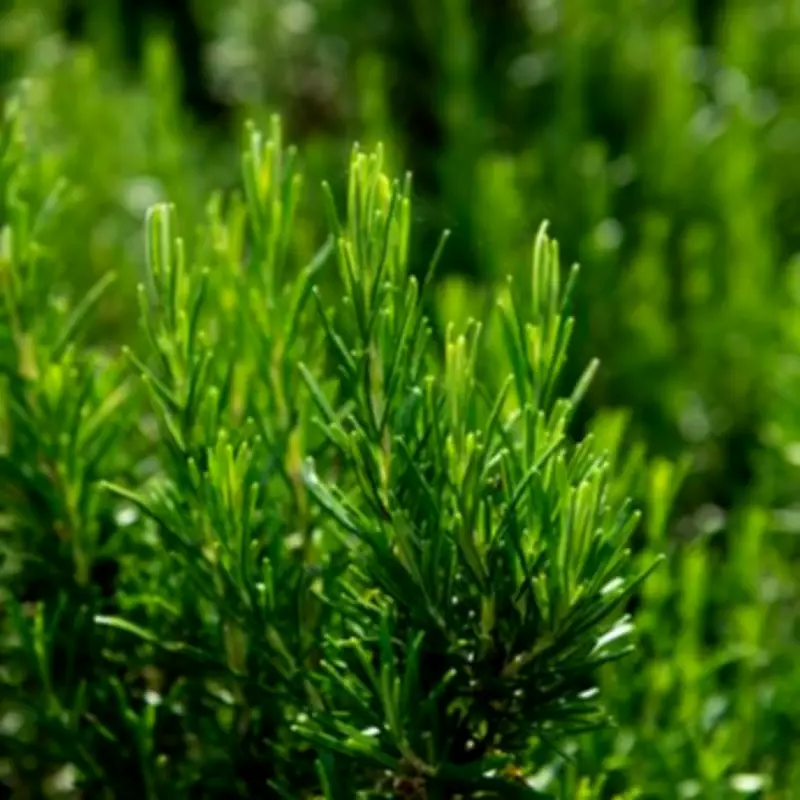
Hardy and tender annual flowers, including cosmos, nicotiana, snapdragons, nigellas, and poached egg plants can be planted straight away. The same applies to annual herbs like basil and coriander and hardier herbs such as mint and chives. Joe notes that numerous plants are simultaneously 'ornamental' and 'tasty'. The RHS confirms that fresh herbs are 'easy to grow' and provide an additional flavour boost to mealtimes following harvest.
The RHS advises that herbs should be cultivated in full sunlight with abundant light alongside well-drained yet moisture-retentive soil. Seeds for plants including coriander and dill ought to be sown fortnightly throughout spring and summer.
Herb Gardening Tips
Gardeners are encouraged to cultivate multiple herbs with varying maturation periods to maintain productive herb gardens. Herbs including chives, mint, parsley, and tarragon should be raised outdoors before being transferred inside for winter. Robust herbs like mint and sage require potting in larger vessels. Gardeners with restricted space can utilise a grow bag. Additionally, herbs planted during spring can be sown beneath cloches and frames, the RHS states.
Alternatively, gardeners can sow trays within a greenhouse, conservatory, or sunny windowsill that will be prepared for planting once the soil temperature rises. Certain herbs including lavender, sage, thyme, and rosemary can fall prey to the rosemary beetle. Meanwhile, young seedlings may also require protection from birds, slugs, and snails. Further herbs like dill and basil struggle under crowded conditions.