
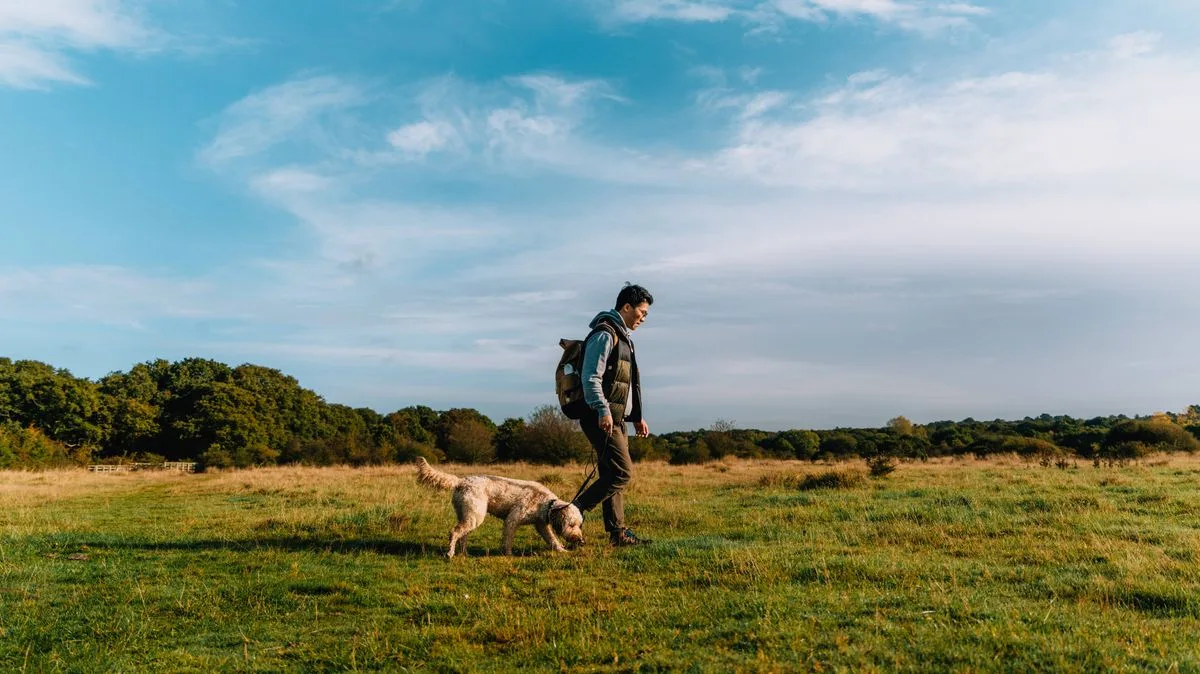
Adults in the UK spend an average of just 84 minutes outdoors a day, according to a survey of 2,000 people. The research, commissioned by The Camping and Caravanning Club, found that one in five Britons (21%) only manage a full day outdoors a handful of times a year, with 5% getting the chance less than once in 12 months.
Lack of personal time, office-based working and childcare responsibilities were identified as the main barriers to spending more time in nature. The findings also highlight generational differences: 11% of Gen Zers said they had lost interest in outdoor pursuits, compared with 7% overall, while 21% of millennials reported that raising a family affects their outdoor time.
The most outdoorsy age group is 25- to 34-year-olds, who spend an average of 104 minutes in the fresh air each day, with 11% of that group regularly managing six hours or more. By contrast, those aged 45 to 54 spend just 73 minutes outdoors on a typical day, though time outside increases again once people reach 55 as responsibilities ease.
Despite the barriers, 61% of adults said they want to increase the time they spend in nature. Planned measures include seeking out new outdoor places, making more social plans outside, and setting daily or weekly goals. One in ten said they intended to take longer trips by going camping.
Among the 28% who believe their generation spends less time outdoors than the previous one, technology was the most commonly cited factor: 55% pointed to greater screen time, 48% to an overreliance on tech, and 47% to more digital and indoor entertainment options. Sabina Voysey, director general at The Camping and Caravanning Club, said: “It’s such a shame that we don’t get more opportunities as a nation to get outdoors and re-connect with nature.”




