Forget the punishing new year's resolutions. The secret to a healthier, longer, and happier life might not be found in the gym or a diet plan, but in your local art gallery, choir, or dance class. This is the compelling argument emerging from a wave of new research and publications, which positions daily creativity as vital to our wellbeing as eating vegetables or exercising.
The Scientific Case for an Artistic Life
Professor Daisy Fancourt, a psychobiology and epidemiology expert at University College London, consolidates a formidable body of evidence in her book, Art Cure. The findings are striking. People who engage with the arts regularly have a 31% lower risk of dying during a given follow-up period, even when factors like wealth and existing health are accounted for.
The benefits are both mental and physical. Studies indicate that monthly cultural activities can almost halve the chances of depression. Remarkably, visits to museums or live music events were shown to make people physiologically younger. Professor Fancourt contends that if a pharmaceutical drug offered such extensive advantages, governments would be investing billions.

Taking Creativity Into Our Own Hands
In response to this evidence, a new genre of self-help is emerging, focused on outward engagement rather than inward denial. Julia Cameron, author of the seminal 1992 work The Artist's Way, has released a daily companion guide. Similarly, Katy Hessel's How to Live An Artful Life provides 366 prompts for daily inspiration.
Other books, like Ben Luke's What is Art For? and Lydia Figes' Survival Notes, compile wisdom from contemporary artists including Anish Kapoor and Tracey Emin. They advocate connecting with our inner selves by deeply observing the outside world, a quietly radical shift in an age obsessed with self-optimisation and life-hacking.
Navigating the Complexities of Cultural Evangelism
This push for creative living is not without its complications. Questions arise about whether all art forms are equally beneficial, and if art's primary purpose is to induce happiness. For those grappling with illness, depression, or poverty, being told to take up pottery or ballet can seem like insensitive hectoring.
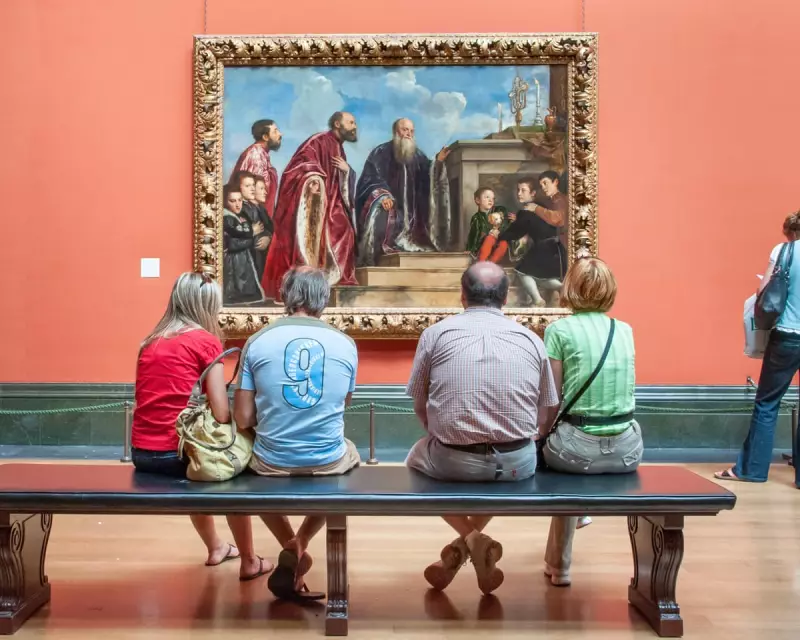
Furthermore, while many UK museums like London's National Gallery offer free entry, they can still feel intimidating or alien to some. The romantic notion of the 'tortured genius' in art history also contradicts the idea of creativity as a straightforward path to sobriety and sanity.
Despite these nuances, the core message is powerful. Active participation in the arts—whether learning a skill, joining a book group, or simply slowing down to really look at a painting like Titian's The Vendramin Family—fosters community, control, and joy. It is a uniquely human antidote to modern stresses, a point echoed by Charles Darwin, who late in life wished he had made time weekly for poetry and music.
The challenge now is for individuals and policymakers alike to value and facilitate this access. In an era where public funding for culture and arts education has been severely cut, recognising creativity as a public health imperative is more urgent than ever.