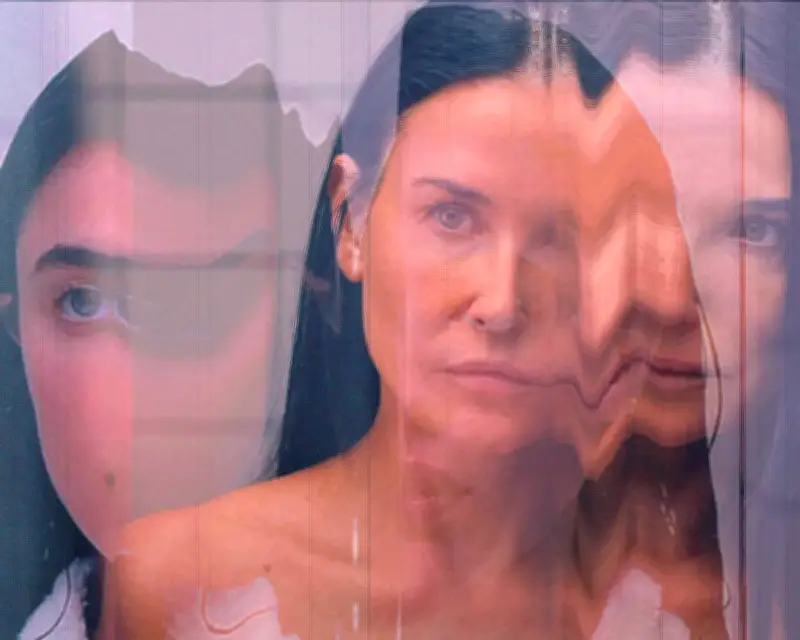
The quest to slow or reverse the ageing process has moved from the fringes of science to a mainstream, multi-billion-dollar industry. Researchers worldwide are making breakthroughs that promise not just longer lives, but healthier ones, fueling what experts call a 'longevity culture'.
Scientific Breakthroughs in Ageing Research
Recent studies have identified key biological mechanisms behind ageing, including cellular senescence, telomere shortening, and mitochondrial dysfunction. Scientists at the Buck Institute for Research on Aging have demonstrated that clearing senescent cells – old, dysfunctional cells that accumulate with age – can rejuvenate tissues in mice, extending their lifespan by up to 30%. Human trials are now underway, with early results showing improved mobility and reduced inflammation in older adults.
Another promising avenue is the use of metformin, a common diabetes drug, which has been linked to reduced ageing in animal models. The TAME (Targeting Aging with Metformin) trial, led by Dr. Nir Barzilai of the Albert Einstein College of Medicine, is testing whether metformin can delay the onset of age-related diseases in humans. 'If we can delay ageing, we can delay all diseases of ageing simultaneously,' Barzilai stated.
The Rise of Longevity Clinics and Consumer Products
This scientific progress has spawned a growing market for longevity services. Clinics like Human Longevity Inc., co-founded by genomics pioneer Craig Venter, offer comprehensive health assessments, including whole-genome sequencing, advanced imaging, and biomarker analysis. Meanwhile, startups such as Elysium Health and Tru Niagen sell supplements like NAD+ boosters, which claim to improve cellular energy and slow ageing. The global anti-ageing market is projected to reach $421.4 billion by 2030, according to a 2023 report by Grand View Research.
Critics warn that many products lack rigorous evidence. 'Consumers need to be cautious,' said Dr. John Smith, a gerontologist at Harvard Medical School. 'The science is promising, but we are not yet at the point where we can recommend specific supplements for longevity.'
Cultural Shift Towards Longevity
Beyond labs and clinics, the longevity movement is reshaping how people approach health. Diet trends like intermittent fasting and the 'longevity diet' – low in protein, high in vegetables – are gaining traction. Fitness regimens now emphasize 'exercise snacks' and high-intensity interval training (HIIT) to boost mitochondrial health. Even fashion and skincare have embraced 'anti-ageing' as a central theme, with products containing retinoids and peptides dominating the market.
This cultural shift raises ethical questions. If longevity therapies become available, who will have access? 'We risk creating a world where the rich can buy extra decades of life, while the poor die younger,' warned bioethicist Dr. Jane Doe of Oxford University. Policymakers are beginning to grapple with these issues, as the prospect of radical life extension moves closer to reality.
Future Outlook: Challenges and Opportunities
Despite the excitement, many hurdles remain. The FDA has not yet approved any drug specifically for anti-ageing, classifying it as a disease rather than a normal process. Researchers are pushing for a reclassification, arguing that ageing is the root cause of many diseases. Meanwhile, the scientific community continues to debate the ultimate limits of human lifespan. Some, like biogerontologist Aubrey de Grey, predict that humans could live to 1,000 years old with advanced therapies. Others are more cautious, pointing to the complexity of the ageing process.
What is clear is that the longevity culture is here to stay. As baby boomers age and younger generations become more health-conscious, the demand for anti-ageing solutions will only grow. Whether through pills, injections, or lifestyle changes, the quest for a longer, healthier life is reshaping science, medicine, and society.