

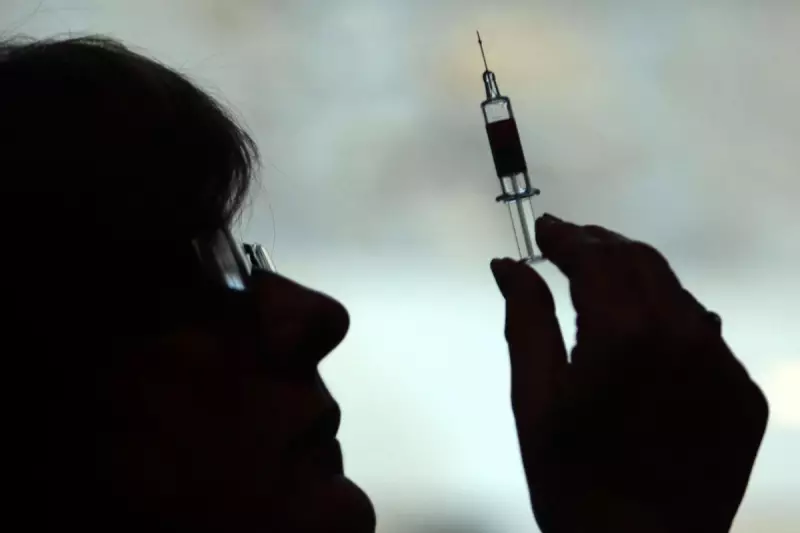
Groundbreaking research has uncovered that a routinely administered vaccine might hold unexpected benefits for healthy ageing. A comprehensive new study suggests the shingles vaccine could do more than protect against the painful viral infection—it may actually slow down the biological ageing process in older individuals.
Study Reveals Anti-Ageing Potential
Scientists from the University of Southern California have published findings indicating that the shingles vaccine, commonly given to elderly populations, could reduce systemic inflammation and keep people biologically younger. The research, which analysed data from nearly 4,000 participants in the US Health and Retirement Study, represents a significant step in understanding how routine vaccinations might influence long-term health.
Detailed Analysis of Ageing Markers
The investigation examined seven distinct aspects of biological ageing, providing a multidimensional view of how vaccination impacts the body. Researchers measured inflammation levels, defence mechanisms against infection, adaptive immunity, blood flow efficiency, neurodegeneration indicators, epigenetic ageing, and transcriptomic ageing patterns.

Those who had received the shingles vaccination demonstrated significantly lower inflammation measurements, exhibited slower epigenetic and transcriptomic ageing rates, and achieved better overall biological ageing scores compared to their unvaccinated counterparts. This suggests the vaccine's effects extend well beyond its primary purpose of preventing shingles outbreaks.
The Inflammation Connection
Chronic inflammation, often referred to by scientists as "inflammaging," represents a well-established contributor to numerous age-related conditions. This persistent low-grade inflammatory state has been linked to increased risks of heart disease, physical frailty, and cognitive decline in older adults.
Jung Ki Kim, the study's lead author, explained the potential mechanism: "By helping to reduce this background inflammation—possibly by preventing reactivation of the virus that causes shingles—the vaccine may play a role in supporting healthier ageing." She emphasised that while the precise biological pathways require further investigation, the vaccine's inflammation-reducing properties make it a promising component of broader healthy ageing strategies.
Broader Implications for Healthy Ageing
These findings align with emerging evidence suggesting adult vaccinations might offer protective benefits against neurodegenerative disorders. Recent studies have identified associations between vaccines for shingles or influenza and decreased dementia risks, indicating these medical interventions might modulate biological systems in ways that extend beyond simple infection prevention.
Eileen Crimmins, the study's co-author, highlighted the significance of their work: "These findings indicate that shingles vaccination influences key domains linked to the ageing process. While further research is needed to replicate and extend these findings, especially using longitudinal and experimental designs, our study adds to a growing body of work suggesting that vaccines may play a role in healthy ageing strategies beyond solely preventing acute illness."
Current NHS Vaccination Programme
The shingles vaccination remains available through the National Health Service for specific age groups. All adults turning 65 qualify for the vaccine, along with those aged between 70 and 79 years old. This research may influence future discussions about vaccination policies and their potential role in promoting healthy ageing across the population.
As scientific understanding of the connections between vaccination, inflammation, and biological ageing continues to evolve, this study represents an important contribution to the growing field of geroscience. The possibility that routine medical interventions might offer unexpected anti-ageing benefits opens new avenues for research into how we can support healthier, more resilient ageing populations.






