

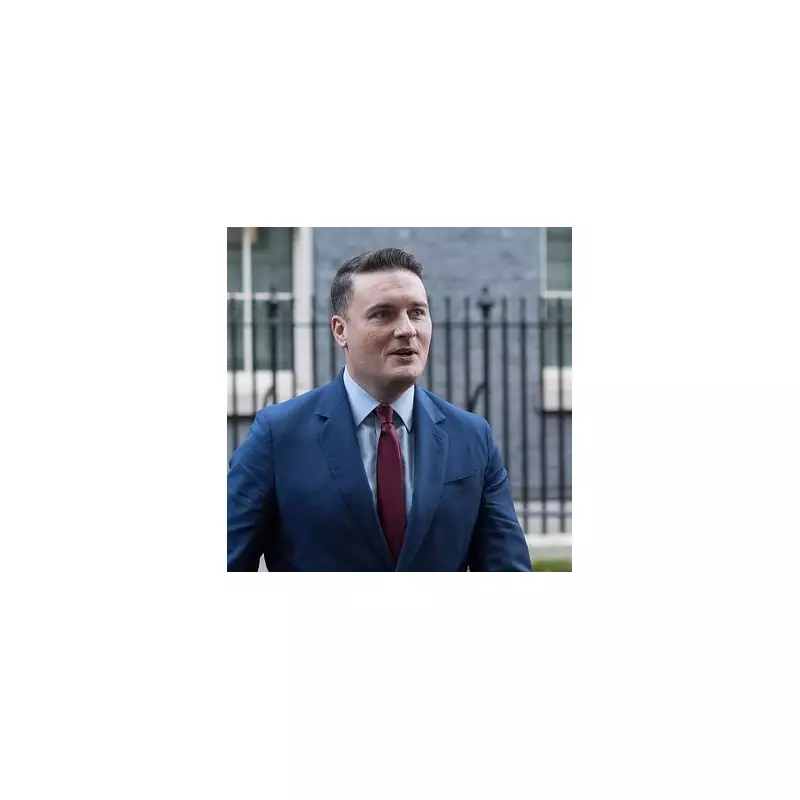
Health Secretary Wes Streeting has launched a major new NHS programme, urging parents to "ignore the sceptics" and embrace a free chickenpox vaccine for young children. The rollout begins today, Friday 2 January 2026, with GPs set to contact thousands of families across England.
A New Layer of Protection
From today, the chickenpox vaccine will become a routine part of the childhood immunisation schedule offered by the NHS. General practitioners will begin reaching out to parents to offer the jab at no cost, marking a significant expansion of the health service's preventative care.
Mr Streeting, kicking off the new year with the announcement, stated the move is backed by clear scientific evidence and will have wide-ranging benefits. "The evidence is clear: Vaccines work," he emphasised, directly addressing concerns about online misinformation.

He highlighted that the programme is expected to drastically reduce serious illness, potentially saving the NHS around £15 million annually in treatment costs. Furthermore, by cutting down on school absences and the need for parents to take time off work, it could save the UK economy millions more in lost productivity, currently estimated at £24 million each year.
Addressing a Common Childhood Illness
Chickenpox is an extremely common childhood infection, with about nine in ten children catching it by the age of ten. While often mild, it can lead to severe complications requiring hospital treatment. According to research from the University of Oxford, around 20 people die from chickenpox each year in the UK.
"Families will save both time and money – no longer facing lost income from taking time off work or having to fork out for private vaccinations," Mr Streeting said in the official announcement. "I urge all parents to take up this offer when their GP contacts them – vaccines save lives."
Speaking to The Guardian, the Health Secretary stressed the importance of public trust in medical science, especially in an era of rapid misinformation spread online. He affirmed that while it is "always OK for people to ask questions," it is vital that expert clinicians provide the answers.
Vaccination Schedule and Next Steps
The rollout follows a phased approach based on a child's date of birth:
- Children born on or after 1 January 2025 will receive two doses of the combined MMRV vaccine at 12 and 18 months old.
- Those born between 1 July 2024 and 31 December 2024 will get two doses at 18 months and 3 years, 4 months.
- Children born between 1 September 2022 and 30 June 2024 will be offered one dose at 3 years and 4 months.
The NHS also plans a single-dose catch-up programme later in 2026 for older children born between 1 January 2020 and 31 August 2022.
Local GP surgeries are starting to notify eligible families from today via letter, text, phone call, or email, informing them of their child's due vaccinations and how to book an appointment. "Today's vaccine rollout is based on decades of scientific evidence," Streeting concluded. "But most importantly, it will help protect thousands of children from becoming seriously unwell."






