

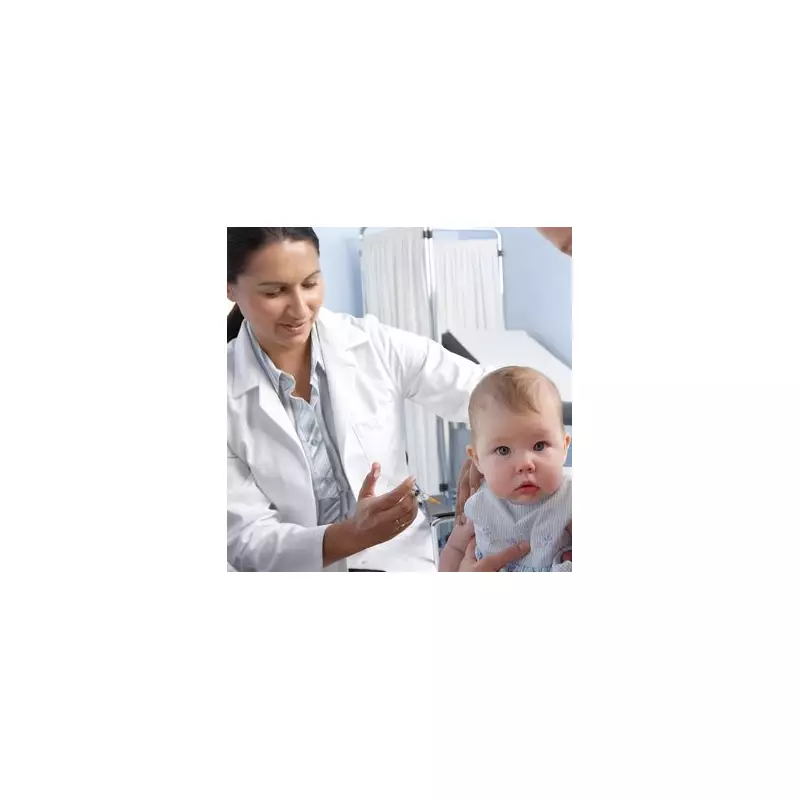
In a landmark move for public health, the NHS has officially added a vaccine against chickenpox to its routine childhood immunisation programme. Described as a "historic milestone," this decision will see the jab offered free of charge to all children across the United Kingdom.
A New Era of Protection
Health authorities state that this initiative will significantly improve population health, reduce hospital admissions, and save the NHS millions of pounds. Furthermore, it is expected to cut down on the days children miss from nursery or school and lessen the time parents must take off work to care for unwell youngsters.
Dr Claire Fuller, National Medical Director for NHS England, emphasised the importance of the step: "This is a hugely positive moment for children and their families, providing protection against chickenpox for the first time and adding to the arsenal of routine vaccinations we give to children to safeguard them against serious illnesses."

While often considered a common childhood illness, experts warn that chickenpox, caused by the varicella-zoster virus, is not always mild. In rare cases, it can lead to severe complications such as bacterial infections like group A streptococcus, encephalitis (brain swelling), pneumonitis (lung inflammation), and even strokes. Infants under four weeks and unvaccinated adults are at particular risk.
Eligibility and the New Vaccination Schedule
The rollout, which begins across England, Scotland, Wales, and Northern Ireland, introduces a new combined MMRV vaccine protecting against measles, mumps, rubella, and varicella (chickenpox). Eligibility is based on a child's date of birth:
- Children born on or after 1 January 2025: Will receive two doses of the MMRV vaccine at 12 months and 18 months.
- Children born between 1 July 2024 and 31 December 2024: Will be offered two doses at 18 months and 3 years, 4 months.
- Children born between 1 September 2022 and 30 June 2024: Will be offered one dose at 3 years, 4 months.
The NHS also plans a single-dose catch-up programme later in 2026 for older children born between 1 January 2020 and 31 August 2022. Parents should be contacted by their GP when their child is due for the jab.
Addressing Past Concerns and Future Benefits
A nationwide chickenpox vaccination programme was previously ruled out in 2009 due to concerns it might increase shingles cases in middle-aged adults. The theory was that natural exposure to the virus helped boost immunity against shingles later in life. However, more recent evidence, including studies from the US, has disproven this, paving the way for the current rollout.
Dr Gayatri Amirthalingam, Deputy Director of Immunisation at the UK Health Security Agency, encouraged uptake: "I hope parents will make it one of their new year resolutions to ensure their child takes up the offer, when invited. Your child will be protected against four serious diseases."
For children who are too old to qualify for the free NHS programme, the vaccine remains available privately at a cost of approximately £150. The NHS will also continue to offer it to children in close contact with someone vulnerable, such as a parent undergoing cancer treatment.
With half of all children typically catching chickenpox by age four and 90% by age ten, this new programme marks a decisive shift from managing outbreaks to preventing the disease altogether, promising a healthier future for the UK's youngest generation.






