

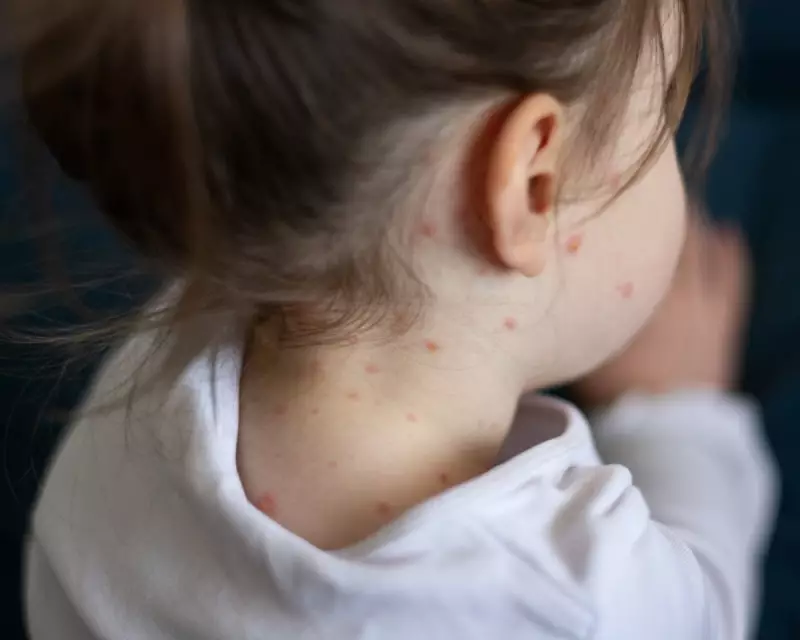
The familiar sight of a child covered in itchy chickenpox spots, and the disrupted family life that follows, could soon become a rarity in England. The NHS has today launched a major expansion of its childhood vaccination programme, introducing a new combined jab that protects against chickenpox alongside measles, mumps, and rubella.
A New Shield Against a Common Illness
From today, children in England will be offered the free MMRV vaccine at 12 and 18 months of age. General practice surgeries across the country are contacting eligible families to arrange appointments. This initiative is set to reduce the significant burden chickenpox places on families, cutting down on missed school days, urgent GP calls, and parental time off work.
Research indicates that half of all children catch chickenpox by age four, and 90% are infected by the time they turn ten. While often considered a mild rite of passage, the virus costs the UK economy an estimated £24 million annually in lost productivity and income. The new vaccine promises to substantially reduce this economic impact.

Beyond the Itch: The Serious Risks of Chickenpox
The rollout addresses a critical public health concern: the potential for severe complications. Health Secretary Wes Streeting emphasised that chickenpox is far from harmless, highlighting cases where children have suffered terribly.
"There have been cases that have left children on morphine in hospital, with others getting pneumonia and joint infections – and even serious flesh-eating diseases," he stated. Complications can include bacterial infections like group A streptococcus, pneumonia, and encephalitis, often requiring hospitalisation.
Proven Global Success and Building Public Trust
The combined MMRV vaccine is not experimental; it has been safely used for decades in countries like the United States, Canada, Australia, and Germany. These nations have witnessed dramatic falls in chickenpox cases and related hospital admissions. In the US, the programme is estimated to have prevented 91 million cases, 238,000 hospitalisations, and nearly 2,000 deaths over 25 years.
This evidence forms the cornerstone of the government's effort to shift the health service towards prevention. The move is also a direct response to the challenge of misinformation. Streeting criticised politicians like Nigel Farage and figures within the Reform party for undermining public health with rhetoric that ignores scientific evidence on vaccine safety and efficacy.
By preventing severe illness, the programme is projected to save the NHS approximately £15 million each year in treatment costs. Most importantly, it aims to protect thousands of children from serious harm, marking a significant step in creating what the government calls "the healthiest generation of children ever."






