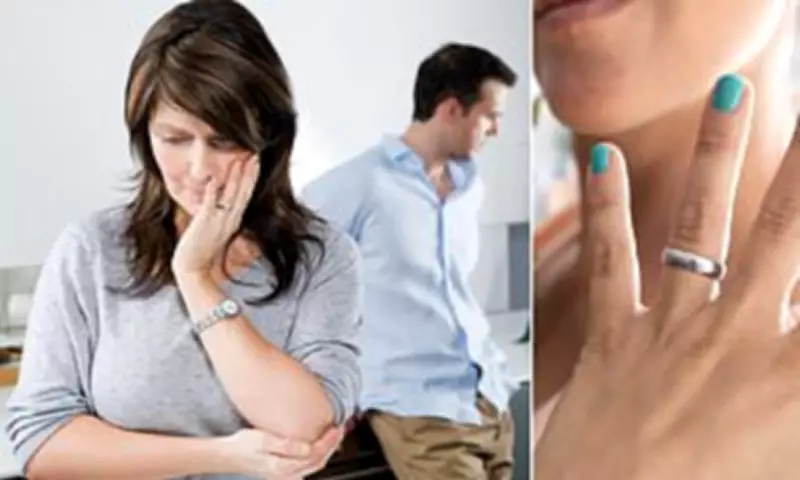
New sociological research has turned the traditional wedding adage on its head, suggesting that for women, the period of anticipation before marriage is the happiest, not the married life that follows.
The Anticipation Advantage
A comprehensive 18-year study, published in the journal Social Sciences & Humanities Open, analysed data from 2,820 individuals in Australia. It tracked their life satisfaction, general health, and mental health over nearly two decades, focusing on relationship transitions from singlehood to cohabitation and marriage.
Peak Satisfaction in the Planning Phase
The findings reveal a clear pattern for women. Their highest average life satisfaction score, rated on a scale of zero to ten, was 7.89. This peak occurred specifically when they were living with a partner and reported it was likely or very likely they would marry them.

In contrast, married women reported an average score of only 7.74. Single women had the lowest average at 7.49, while women cohabiting without marriage expectations scored 7.75.
A Short-Lived Post-Wedding Boost
The research indicates that any happiness boost from the wedding itself is fleeting for women. It disappears after about a year, with life satisfaction eventually falling below pre-wedding levels. This creates a notable disparity where the anticipation of marriage proves more satisfying than the institution itself.
Understanding the Gender Divide
Professor Belinda Hewitt, who led the research from the University of Melbourne, offered insights into this phenomenon. "There can be a lot of excitement and anticipation around the prospect of getting married in the future," she explained.
"That provides a real sense of purpose for a relationship, and the reassurance that the other person is very committed, which could be very satisfying for cohabiting women in this position."
She further noted that after marriage, "the anticipation of the wedding and the 'project' of planning for it are gone, and replaced by a lot of expectation and pressure." This shift may explain why married life does not measure up to the preceding hopeful period.
Men's Different Experience
The study presents a starkly different picture for men. Researchers found that men were at their happiest when either married or in a cohabiting relationship. Unlike women, they saw no significant decline in life satisfaction after tying the knot, and their general health showed no notable change based on relationship status.
Health and Wellbeing Correlations
The research also examined self-reported general health. For women, health improved significantly when transitioning from being single to cohabiting with a partner and expecting marriage.
However, this health boost was not observed when women moved in with someone but thought marriage was unlikely. This suggests the psychological benefits of anticipated commitment have tangible physical health correlates for women.
Key Conclusions for Wellbeing
The study's authors conclude that 'anticipating marriage' while not yet being married appears to be the optimal relationship state for women's overall wellbeing. This state combines the security of commitment with the excitement of future plans, creating a unique period of elevated life satisfaction and health.
This long-term research challenges conventional narratives about marital bliss, highlighting a significant gender gap in how men and women experience and benefit from the institution of marriage over time.