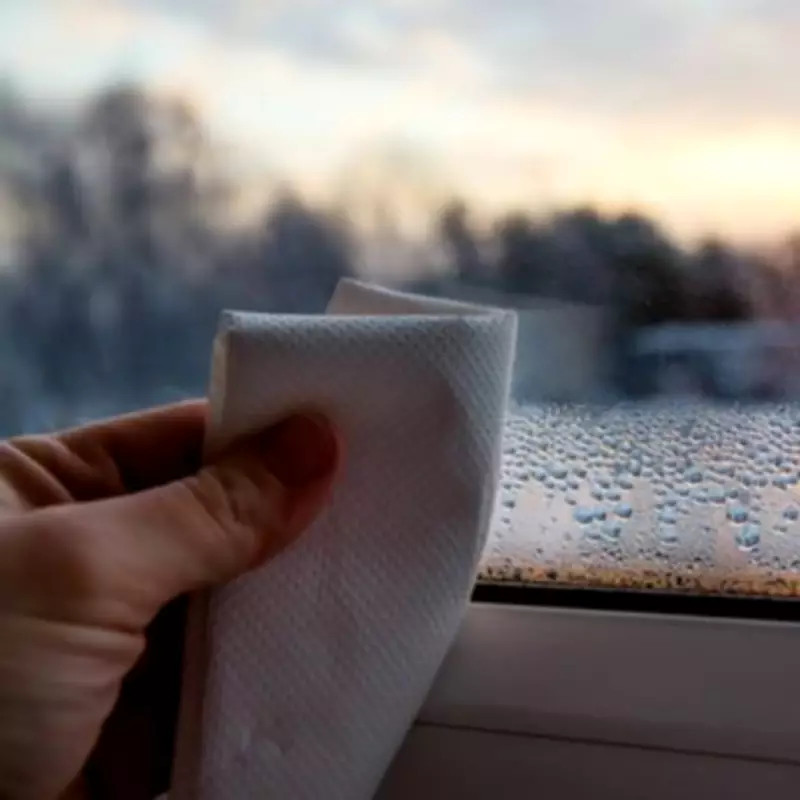
Fed up with waking up to condensation streaming down your bedroom windows each morning? You're far from alone, and there's a clear explanation for why it's occurring more often than it used to.
Why does condensation appear on my windows every morning?
Condensation forms when warm, moist air meets a cold surface. This happens more frequently when it's not sunny outside because warm air from within the home clashes with the colder glass panes. Moisture indoors is often a consequence of routine activities such as cooking, showering and even breathing, which is why it often shows up on bedroom windows in the morning. A poorly ventilated house with limited airflow is another contributing factor.
If left unaddressed for prolonged periods, black mould can start to develop, which beyond being unattractive, can also pose risks to your health. Related issues include asthma, eczema and bronchitis. Consequently, the most effective approach is to pinpoint the underlying cause of the problem — and then resolve it.

How to eliminate condensation on windows
1) Vent moisture out at the source
- Use extractor fans in bathrooms and kitchens, and leave them running 15–20 minutes after showering or cooking.
- Open a window briefly (even 5–10 minutes) after high-moisture activities to purge humid air fast.
2) Cover and control moisture when cooking
- Put lids on pans and keep the kitchen door closed to stop steam from spreading.
- Use the cooker hood or extractor on a higher setting when boiling or simmering.
3) Don't dry laundry on radiators (or indoors without ventilation)
- If you must dry indoors, do it in one room with the door shut and the window slightly open and/or an extractor running.
- Alternatively, a vented tumble dryer (or condenser dryer plumbed correctly) helps to prevent moisture dumping into the air.
4) Use a dehumidifier
- This is one of the quickest fixes in homes with limited ventilation.
- Aim for roughly 40–60% humidity for optimum results.
5) Improve airflow
- Don't push furniture right up against external walls; leave a gap to prevent cold, stale pockets of air.
6) Upgrade cold spots if needed
Double glazing, loft insulation, and draught-proofing help keep surfaces warmer so moisture doesn't 'drop out' of the air. If it's worst in just one spot or one wall (rather than general window misting), it's worth checking for a leak or penetrating damp, because that can look similar but needs a different fix.