
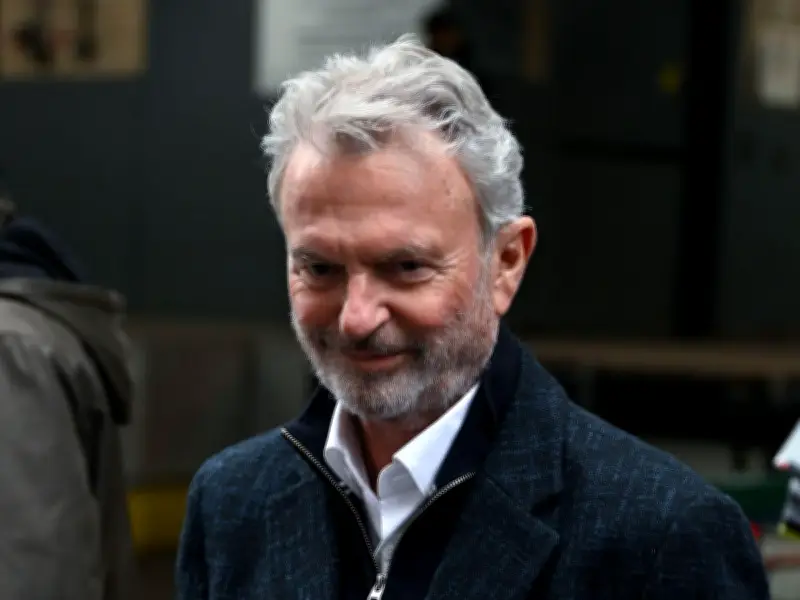
Sam Neill, the beloved star of Jurassic Park, died from pneumonia, his long-time representative has confirmed. The Northern Ireland-born New Zealand actor, best known for playing Dr Alan Grant in the blockbuster franchise, passed away aged 78 in Sydney, Australia, on Monday. His death came months after he announced he was cancer-free following treatment for an aggressive form of non-Hodgkin lymphoma.
Agent Clarifies Cause of Death
Philip Grenz, Neill's agent, said in a statement: “Since Sam Neill’s passing, several stories have appeared in the media which contain inaccuracies and outright falsehoods. As Sam Neill’s longtime rep, I spoke with his family and wish to clarify some details for his fans. Sam passed away from pneumonia. Prior to becoming sick, Sam had valiantly fought and beaten lymphoma through a new treatment called CAR-T therapy.”
Grenz added that Neill had filmed four projects back-to-back during the past year, all to be released soon, and that a private family memorial will be held at his farm in New Zealand at a later date.
Family Statement and Tributes
Announcing Neill’s death, his family said he died “surrounded by family and passed with the dignity that has characterised his whole life.” They added: “The loss was sudden and unexpected but blessed by the fact that Sam remained cancer-free.” In lieu of flowers, donations were requested to the Dunstan Hospital Foundation, the Snowdome Foundation, or groups protecting New Zealand’s flora and fauna.
Tributes poured in from co-stars. Cillian Murphy said: “Like everyone who knew and worked with Sam, I admired him and adored him in equal measure. He was one of the kindest, funniest and gentlest people, and one of the finest actors…RIP.” Laura Dern called him “my beloved lifetime friend,” and Jeff Goldblum said: “The next great adventure begins. Love, always and forever.”
NHS Symptoms of Pneumonia
The NHS states that pneumonia is inflammation of the lungs, usually caused by an infection. Most people recover in two to four weeks, but babies, older people, and those with heart or lung conditions are at risk of serious illness. Symptoms include a cough producing yellow or green mucus, shortness of breath, a high temperature, chest pain, an aching body, feeling very tired, loss of appetite, wheezing (or grunting in babies), and confusion (common in older people).
People should seek urgent medical help if they have a cough for three weeks or more, cough up blood, have chest pain when breathing or coughing, or feel short of breath. Call 999 if struggling to breathe, choking, gasping, unable to speak, have pale or blue skin, lips or tongue, sudden confusion, or if a baby cannot be woken and feels floppy.
Treatment and Prevention
Antibiotics are typically used to treat pneumonia. Those at higher risk of severe illness include adults over 65, people with cardiovascular or long-term lung conditions, and babies. The NHS recommends vaccines to reduce risk: pneumococcal vaccine for babies, adults over 65, and at-risk groups; flu vaccine for pregnant women, over-65s, and those with long-term conditions; RSV vaccine for adults aged 75-79 and pregnant women from 28 weeks; and COVID-19 vaccine for those at increased risk. Stopping smoking also reduces the chance of getting pneumonia.




