
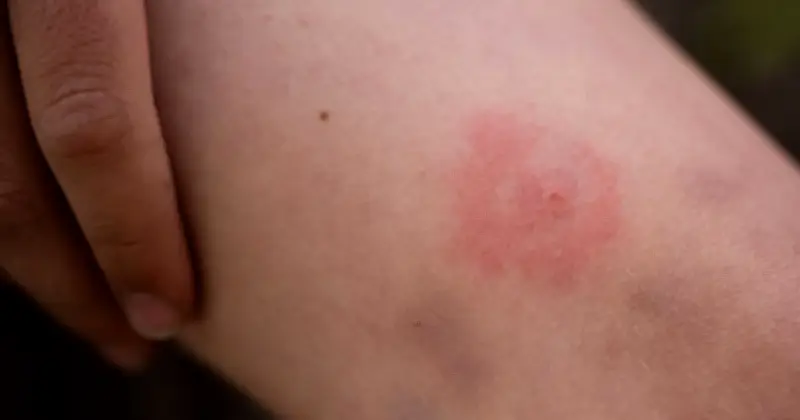
The UK Health Security Agency (UKHSA) has issued a warning as Lyme disease cases surge by more than 20% in England. Laboratory-confirmed acute cases rose from 959 in 2024 to 1,168 in 2025, according to annual surveillance figures. The agency urges the public to learn the signs and take prevention measures when outdoors.
What Is Lyme Disease?
Lyme disease is an infection caused by the spiral-shaped bacterium Borrelia burgdorferi. It is primarily transmitted to humans via the bite of an infected tick. Ticks are common in grassy and wooded areas and can be very small, making them difficult to spot. On occasion, ticks can pass on multiple infections through a single bite, which can trigger more severe symptoms.
UKHSA Warning and Prevention Advice
In a recent Instagram post, the UKHSA said: "If you're more used to scrolling your feed than being in a field, ticks might not be your first thought when heading into nature. But they're common in grassy and wooded areas and can be very small, so it's important to check yourself regularly during and after your walk."
To minimise risk, people are advised to keep to well-marked paths, wear long trousers and long-sleeved tops, opt for light-coloured clothing to make ticks easier to spot, and apply an insect repellent containing DEET.
Symptoms and Rash Recognition
According to the NHS, a circular or oval rash surrounding a tick bite can be an early indicator of Lyme disease in certain individuals. The rash may appear up to three months after being bitten by an infected tick, but typically emerges within one to four weeks. It can persist for several weeks. The rash may feature a darker or lighter central area and could progressively expand. It is typically neither warm nor itchy.
The rash may be flat or slightly raised, appearing pink, red or purple on white skin. On brown and black skin, it can be more difficult to detect and may resemble a bruise.
Importance of Early Detection
Early diagnosis and treatment of Lyme disease are crucial to prevent more serious complications, which can affect the joints, nervous system, and heart. Anyone who suspects they have been bitten by a tick and develops symptoms should seek medical advice promptly.




