
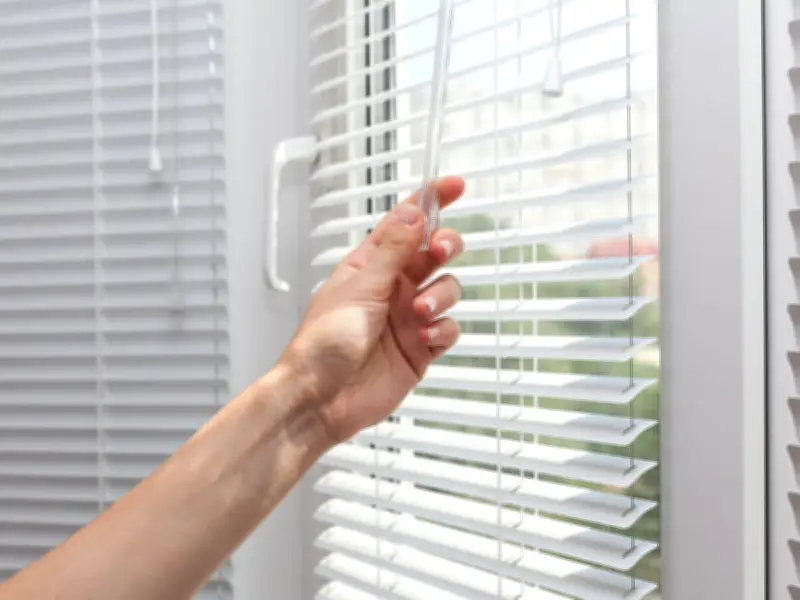
Households across England are being urged to keep their windows and doors shut this week to avoid sneezing, coughing and itchy eyes caused by hayfever. The advice comes from the NHS as the Met Office forecasts pollen levels to be high to very high throughout the country.
High Pollen Levels Expected
Pollen levels are set to increase across England over the coming days, with most regions expected to experience very high levels by Sunday, June 21. The South West and the Midlands will see the highest concentrations, but northern areas could also reach very high levels by the end of the week.
In Greater Manchester, grass pollen levels are forecast to be particularly high. According to the Met Office, grass pollen across North West England will remain high until Saturday, June 20, before becoming very high on Sunday.
NHS Recommendations
To reduce hayfever symptoms, the NHS advises sufferers to keep windows and doors shut as much as possible to limit exposure to pollen. Additional recommendations include:
- Applying petroleum jelly around the nostrils to trap pollen
- Wearing wraparound sunglasses, a mask, or a wide-brimmed hat to prevent pollen from entering the nose and eyes
- Showering and changing clothes after being outdoors to wash off pollen
- Vacuuming regularly and dusting with a damp cloth
- Using a pollen filter in car air vents and a HEPA filter in vacuum cleaners
Actions to Avoid
The NHS also warns against activities that can worsen symptoms, such as:
- Cutting grass or walking on grass
- Spending too much time outside
- Keeping fresh flowers indoors
- Smoking or being around smoke
- Drying clothes outside, as they can collect pollen
For those struggling with hayfever, pharmacists can recommend treatments like antihistamine drops, tablets, nasal sprays, or steroid nasal sprays.




