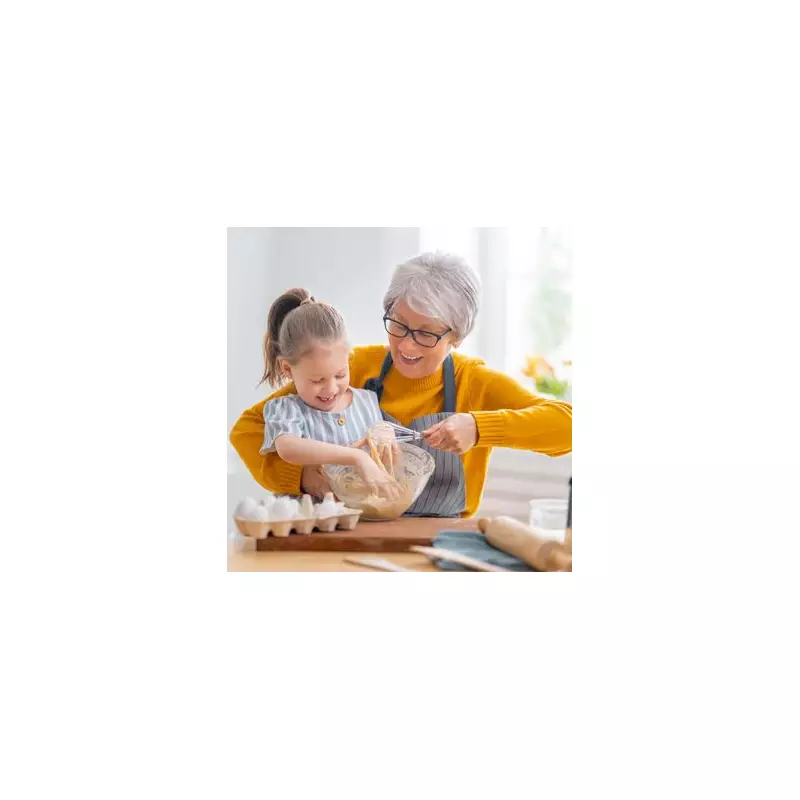
Grandparenting Linked to Better Brain Health and Reduced Cognitive Decline
Being a grandparent could offer significant benefits for brain health, potentially helping to stave off mental decline as people age, according to new research. A comprehensive study has found that grandparents who provide care for their grandchildren tend to demonstrate better cognitive functioning and sharper thinking skills compared to those who do not.
Key Findings from the English Longitudinal Study of Ageing
The research, published in the journal Psychology and Aging, draws on data from the English Longitudinal Study of Ageing (Elsa). This extensive study examined the health, social circumstances, wellbeing, and economic situations of individuals aged over fifty. The analysis focused on 2,887 grandparents who participated in surveys and completed cognitive tests on three separate occasions between 2016 and 2022.
Participants were asked whether they had provided care for a grandchild at any point during the previous year, along with details about the frequency and nature of that care. Activities ranged from having grandchildren stay overnight and caring for them during illness to playing together, assisting with homework, providing transport to school and activities, and preparing meals.

Cognitive Tests Reveal Significant Advantages
To assess cognitive function, grandparents underwent specific tests including a verbal fluency exercise where they had to name as many animals as possible within one minute. Memory was evaluated through a task requiring immediate recall of ten words, followed by another recall attempt after a five-minute delay.
The results were striking: grandparents who provided childcare consistently scored higher on both memory and verbal fluency tests compared to their non-caregiving counterparts. Importantly, this cognitive advantage appeared regardless of how much care was given, suggesting that even occasional involvement can be beneficial.
Grandmothers Show Particularly Strong Results
The study highlighted that grandmothers, in particular, exhibited better thinking skills in later life. This finding aligns with observations that grandmothers typically provide more care than grandfathers. Furthermore, grandmothers who engaged in caregiving demonstrated less cognitive decline over time, indicating a potential protective effect against age-related mental deterioration.
The Broader Experience Matters Most
Lead researcher Flavia Chereches from Tilburg University in the Netherlands emphasised a crucial insight from the study. "What stood out most to us was that being a caregiving grandparent seemed to matter more for cognitive functioning than how often grandparents provided care or what exactly they did with their grandchildren," she explained.
Chereches elaborated: "Many grandparents provide regular care for their grandchildren that supports families and society more broadly. More research is needed to replicate these findings, yet, if there are benefits associated with caregiving for grandparents, they might not depend on how often care is provided, or on the specific activities done with grandchildren, but rather on the broader experience of being involved with caregiving."
Voluntary Care and Family Environment Are Key Factors
The research team also noted that the mental boost from caregiving may be influenced by whether it is voluntary and occurs within a supportive family context. Chereches added: "Providing care voluntarily, within a supportive family environment, may have different effects for grandparents than caregiving in a more stressful environment where they feel unsupported or feel that the caregiving is not voluntary or a burden."
Causation Versus Correlation Considerations
While the findings are promising, the study acknowledges that it cannot definitively prove causation. The research also found that grandparents with initially higher cognitive levels tended to engage in more activities with their grandchildren. This raises the question of whether caregiving improves thinking skills, or whether more cognitively agile grandparents are simply more likely to participate in childcare.

Nevertheless, the consistent association between grandparent caregiving and better cognitive outcomes offers compelling evidence that this intergenerational interaction could play a valuable role in maintaining brain health during the ageing process.