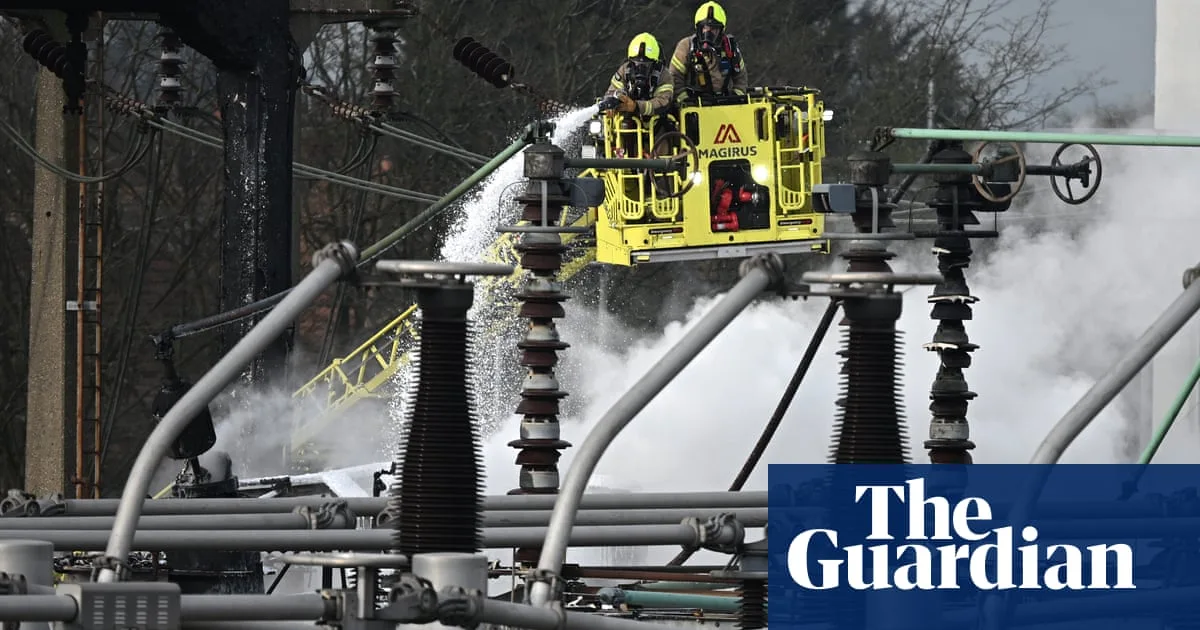
Citizens across Europe have been receiving advice on emergency planning, a topic that gained urgency after a massive blackout hit the Iberian peninsula, leaving tens of millions without power in Spain and Portugal. The outage on Monday caused widespread disruption, with people unable to get home, access cash, buy food, or escape stuck lifts. Both nations declared states of emergency.
Governments across Europe have long urged citizens to prepare for potential crises, including power outages, extreme weather, pandemics, or military attacks. The European Union recently advised stockpiling at least 72 hours' worth of food, water, and essentials. The UK government launched its 'Prepare' campaign last March, encouraging Britons to sign up for emergency alerts, plan escape routes, and stock urgent supplies.
Lucy Easthope, a leading UK expert on emergency planning, advises against panic but stresses the importance of awareness. 'Certainly, things are quite geopolitically unstable, and there’s a lot going on climatically,' she said, noting that risks have always existed. She recommends keeping a cupboard with torches, a first aid kit, dried food, and a can opener, as well as a 'go bag' with daily essentials like a phone charger, battery pack, underwear, and medication.

Ian Freeborn of the Live Off Grid network suggests keeping phones charged via solar setups or power banks, and having cash on hand. 'If the card machines aren’t working, people can’t get food and water,' he said. Environmental scientist Angela Terry advises a 'blackout box' with several days' food, torches, batteries, medicines, and a first aid kit, plus entertainment like cards. She also recommends solar or wind-up radios as emergency gifts.