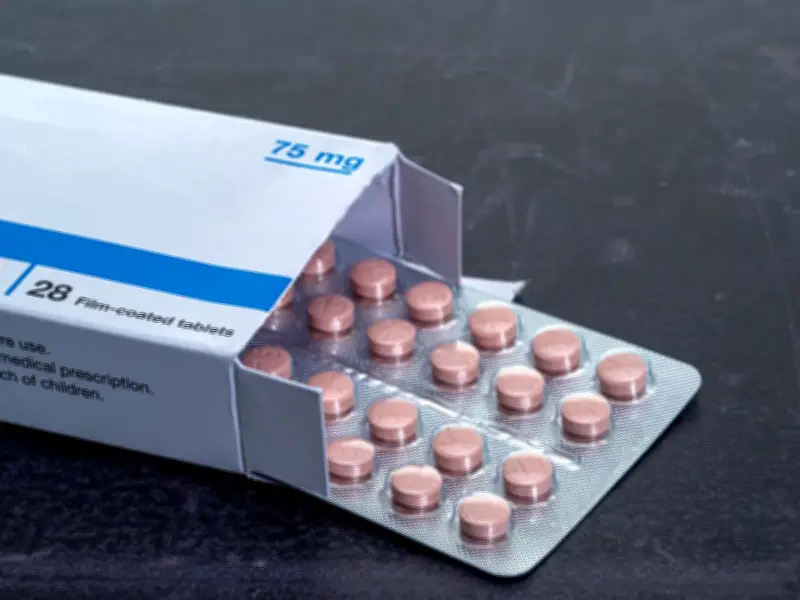
Millions of people taking common medications such as sertraline and midazolam have been warned by a doctor that consuming grapefruit can carry serious risks. Grapefruit, a popular ingredient in summer drinks and snacks, can interact adversely with a range of prescription drugs.
How Grapefruit Interacts With Medications
Dr Nicole James, a resident doctor formerly with the NHS in London and now based in Illinois, explains: “Grapefruit is a pleasant snack for most but it is important to disclose large amounts of grapefruit use to your doctor because it can interact with an array of medications.” She notes that grapefruit contains natural compounds — primarily furanocoumarins and flavonoids — that inhibit an important enzyme called cytochrome P450 3A4 (CYP3A4).
This enzyme plays a key role in breaking down oral medications so the body can process them correctly. “When you ingest grapefruit it blocks this enzyme,” says Dr James, who also serves as a clinical research fellow in the Department of Dermatology at Stanford University. “This causes drugs that would normally be broken down in the gut wall to instead pass through intact, leading to significantly higher-than-intended blood levels of the medication.”

Serious Side Effects and Specific Drug Risks
Having abnormally high concentrations of medication in the bloodstream can trigger serious and potentially dangerous side effects. Dr James warns: “Patients taking statins could experience higher levels than normal which can cause muscle break down and cramps.” Patients taking certain blood pressure medications such as amlodipine “may experience dizziness and low blood pressure.”
Sedatives also carry a risk, with drugs like midazolam being affected by grapefruit and causing “extreme drowsiness and even slowed breathing.” Antidepressants such as sertraline also carry an advisory warning to steer clear of the fruit.
Small Amounts Can Be Dangerous
Many people assume it would take a considerable amount of grapefruit to make a difference, but Dr James warns this is far from the truth. “As little as one grapefruit or 200 mL of juice can cause a clinically relevant increase in medication concentrations, and the effect can last up to 72 hours because grapefruit irreversibly inactivates CYP3A4 enzyme,” she says.
For this reason, she urges people to keep a close eye on mixed fruit juices, smoothies and cocktails this summer, as grapefruit juice is frequently used as an ingredient. “If a patient ingests a large amount of grapefruit while on these medications they should monitor for any symptoms and avoid ingesting any more grapefruit,” Dr James advises, urging anyone with concerns to seek medical attention without delay.
Other Food and Drug Interactions to Watch
The doctor also warns of other ingredients patients should be aware of:
- Vitamin K containing ingredients such as leafy green vegetables or cranberry juice if taking warfarin — commonly prescribed for reducing risk of heart attack and stroke.
- Dairy containing products can reduce the effectiveness of certain antibiotics such as ciprofloxacin and bisphosphonates (like alendronate often taken for osteoporosis prevention).
- Herbal remedies that can inhibit or increase activity of the CYP3A4 enzyme like St John’s Wort and Goldenseal.
The NHS website tells sertraline users: “Do not drink grapefruit juice while taking sertraline.” A full list of medications that grapefruit interferes with can be found on the BNF interactions page.