Fitness advice has long been based on research into men, prompting a debate over whether women—especially those over 40—need a different approach. Dr Stacy Sims, a sports scientist, argues that women over 40 should prioritise heavy lifting and sprint interval training while avoiding moderate cardio. This has sparked controversy among experts who question the evidence.
The Research Gender Gap
A 2023 BMJ editorial highlighted that women are underrepresented in exercise research, leading to knowledge gaps in areas like sport performance, cardiovascular health, and postpartum physiology. This vacuum has been filled by influencers like Sims, who advocate for female-specific training. However, critics argue that such recommendations may oversimplify and even harm women's fitness.
Sims' Recommendations
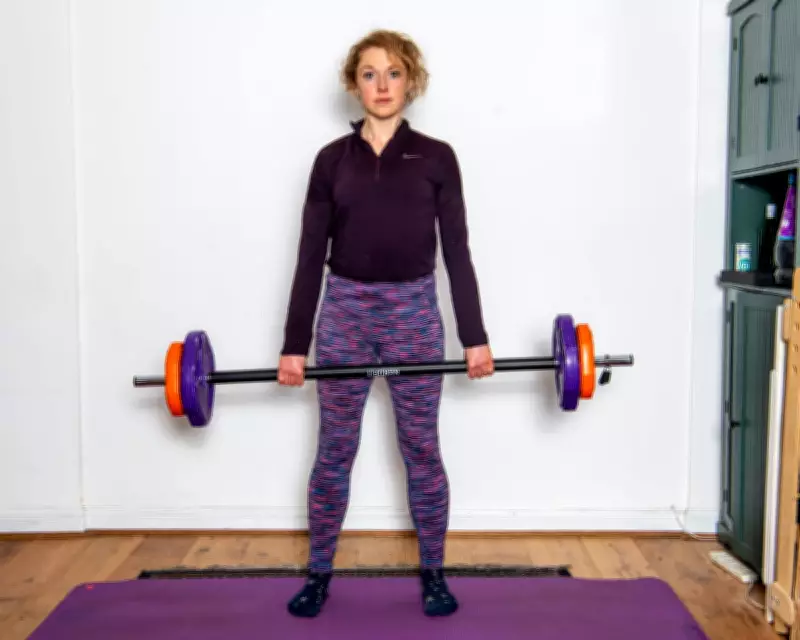
Sims claims that women over 40 who do moderate cardio risk becoming "skinny fat"—lacking muscle and having poor bone density. She advises replacing moderate cardio with either gentle walking or high-intensity sprint intervals, along with heavy lifting (weights for 1-6 reps). She says this approach is based on sex differences in ageing and hormonal changes during perimenopause.

Critics Speak Out
Laurel Beversdorf and Sarah Court, hosts of the Movement Logic podcast, argue that Sims' advice "fragilises women" and takes exercise options off the table. They note that moderate cardio has robust evidence for health benefits, including reduced heart disease risk. Fitness coach Elizabeth Davies adds that creating arbitrary rules can be a barrier to exercise, especially for busy women.
What the Evidence Says
UK guidelines recommend 150 minutes of moderate activity or 75 minutes of vigorous activity weekly, plus two strength sessions. While heavy lifting is effective, lighter weights can also build muscle if taken to near failure. For most women, meeting these guidelines is more important than the exact method.
Individual Needs Matter
Experts agree that training should be flexible and autoregulated based on how one feels. Davies emphasises that progress is built over months and years, not rigid rules. For women over 40, the key may be shifting from a focus on thinness to strength, a message that resonates regardless of age.
Ultimately, while female-specific research is needed, the best exercise is one that is sustainable and enjoyable. As Court says, "Chase the performance goals that you have, or meet the minimum guidelines. Either way, you're doing better than a lot of people."