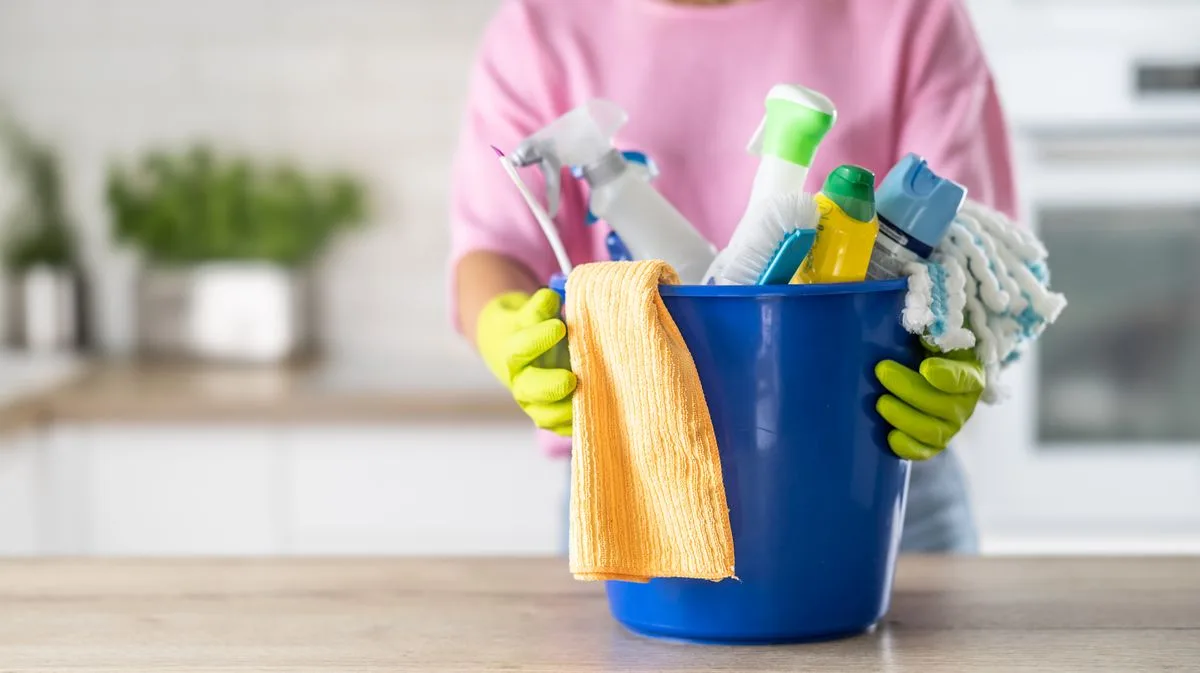
Waste experts have issued a warning about common kitchen cleaning products that should never be thrown in the bin. As spring cleaning season gets underway, many households are clearing out their cupboards, but hazardous waste specialists at BusinessWaste.co.uk are urging caution. Many everyday cleaning items contain dangerous chemicals that require special disposal methods.
General Recycling Rules
As a general rule, plastic bottles from household cleaning products such as washing-up liquid, laundry detergents, or cleaning sprays can be added to your recycling bin. However, these bottles must be completely empty and rinsed out. For most UK councils, spray trigger lids are also accepted for recycling, provided they remain attached to the bottle. Additionally, any clean cardboard packaging that came with the products can be recycled.
Aerosol Cans
Air freshener aerosol cans are usually accepted for recycling, but they must be empty. Do not crush or pierce the can, and remove any plastic cap before placing it in the recycling bin. Where possible, always try to recycle containers. If your council does not accept certain items, they can go into general waste once empty and rinsed. However, if cardboard packaging becomes contaminated with leaking products or grease, it cannot be recycled and must go into general waste to avoid contamination.
Wet Wipes
Cleaning wet wipes should never go into recycling. They must be placed in general waste, even if labelled as 'flushable', as this is often inaccurate.
Items You Should Never Bin
Many cleaning products are designed to break down grease, bacteria, or limescale, which often means they contain corrosive, toxic, or reactive chemicals. Common cleaning products that should never be disposed of with general waste include:
- Bleach-based cleaners
- Oven cleaners
- Drain unblockers
- Disinfectants and antibacterial sprays
- Floor strippers and polish removers
- Aerosol sprays (if not fully emptied)
- Anything labelled corrosive, toxic, harmful, or irritant
How to Dispose of Hazardous Cleaning Items
To dispose of hazardous cleaning products safely, follow these guidelines:
- Avoid pouring leftover chemicals down the sink or drain
- Check labels for disposal guidance
- Use local authority recycling centres for hazardous household waste
- Ensure containers are sealed and stored safely before disposal
Many of these products can cause harm, react dangerously when mixed, contaminate water systems, and persist in the environment. Incorrect disposal also creates a risk for waste workers who handle hazardous products.
Legal Consequences
Under the Environmental Protection Act 1990, households have a duty of care to ensure waste is disposed of properly. Failure to do so could result in a fixed penalty notice fine of between £80 and £600, depending on the council and offence. While a fine is unlikely for a first offence, councils may take action if you repeatedly put hazardous chemicals in general waste, ignore council guidance, or create a risk of harm or contamination.
Mark Hall, waste management expert at BusinessWaste.co.uk, said: "Many people mistakenly believe that any cleaning products bought in a shop should be fine to dispose of at home, but in reality, many of these can still be hazardous. It’s important to consult the packaging of any products to understand how best to dispose of them, and ensure you check the rules of your local council. Hazardous cleaning products can be dangerous, so where possible, look to use natural alternatives. Many of these work just as well. Always be cautious when handling hazardous cleaning products, as even small volumes can have an environmental impact."






