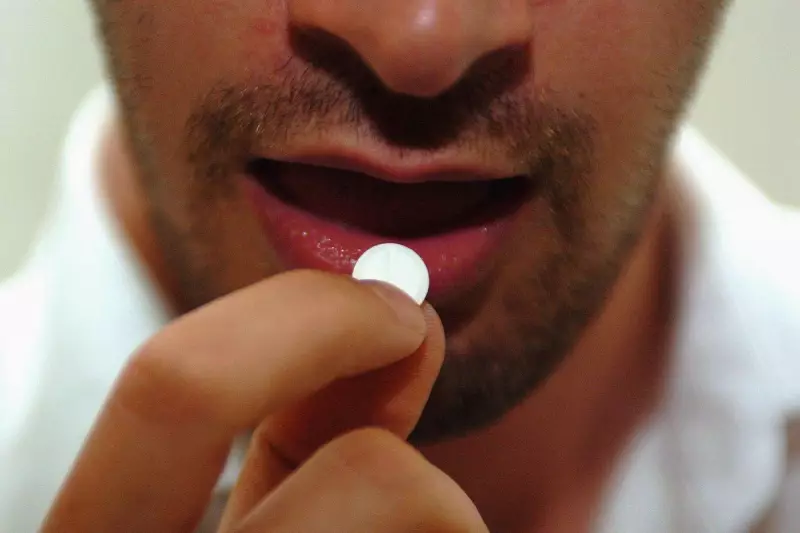
Pharmacies throughout the United Kingdom are reporting widespread and severe shortages of aspirin, a crucial medication prescribed to prevent strokes and heart attacks in vulnerable patients. The situation has escalated to a critical level, prompting urgent calls for government intervention to stabilise the essential medicines market and protect patient safety.
National Survey Reveals Alarming Supply Crisis
The National Pharmacy Association (NPA), representing approximately 6,000 community pharmacies, conducted a snap survey this week that revealed the stark reality of the shortage. Out of 540 UK pharmacies polled, a staggering 86% reported being unable to supply aspirin to their patients within the previous seven days. The problem appears particularly acute for the 75mg dose, which is specifically used for long-term preventative treatment, though all formulations of the drug are affected.
Manufacturing Delays and Export Pressures
Industry representatives cite multiple factors contributing to the crisis. Manufacturing delays have created bottlenecks in the supply chain, while the fundamental economics of the NHS reimbursement system have exacerbated the problem. Dr Leyla Hannbeck, chief executive of the Independent Pharmacies Association, which represents over 5,000 pharmacies, explained the troubling dynamic: "The reality is that the prices paid for many medicines by the NHS are so low that manufacturers often prioritise supplying other countries instead, leaving the UK pushed to the back of the queue."

This economic pressure has led to a dramatic inflation in costs for the limited stock that does become available. The NPA reports that the price of a packet of 75mg dispersible aspirin tablets has skyrocketed from just 18p earlier last year to £3.90 this month. With the NHS reimbursement rate fixed at £2.18 per packet, pharmacies face a loss of £1.72 each time they dispense this essential medication to patients.
Patient Safety at Risk as Pharmacies Ration Supplies
The shortage has forced pharmacists into difficult triage situations, with many reporting that they are now tightly rationing their dwindling aspirin supplies. Priority is being given to patients with the most acute heart conditions or those requiring emergency prescriptions. Several pharmacies have also ceased making aspirin available for over-the-counter sales entirely to preserve stocks for prescription patients.
Long-term treatment with low-dose 75mg aspirin provides an antiplatelet effect, meaning it helps prevent blood clots from developing. Doctors typically prescribe it for people who have experienced a heart attack or stroke, transient ischemic attacks, angina, peripheral arterial disease, or following certain surgical procedures. The medication's preventative role makes consistent access critically important for patient health outcomes.
Broader Implications for Chronic Conditions
The aspirin shortage extends beyond cardiovascular patients. Fiona Loud, policy director at Kidney Care UK, highlighted that people living with chronic kidney disease are also affected, as they are often prescribed low-dose aspirin to help reduce their elevated risk of strokes and heart attacks. This demonstrates how medication shortages can ripple through multiple patient populations with serious consequences.
Calls for Urgent Systemic Reform
Pharmacy leaders are united in their call for immediate government action to address what they describe as a fundamentally broken system. Olivier Picard, chair of the NPA, expressed grave concern: "We're worried about reports of pharmacies being unable to order in stocks of aspirin and the implications this might have for the patients they serve. For those pharmacies that can get hold of supply, costs will far exceed what they will be reimbursed by the NHS, yet more signs of a desperately needed reform of the pharmacy contract."
James Davies, director of research and insights at Community Pharmacy England, echoed these concerns, stating that medicine shortages "remain a significant concern for both patients and community pharmacies" and calling for government and NHS intervention "to stabilise the medicines market, tackle supply chain disruptions, and improve access to essential medications for patients."

Proposed Solution: Pharmacist Substitution Authority
The NPA is advocating for a specific regulatory change that would empower pharmacists to make substitutions when a prescribed medicine is unavailable, provided a safe alternative exists. Mr Picard argued compellingly for this reform: "We've long called for pharmacists to be able to make substitutions where a medicine is not in stock and it is safe to supply an alternative. The status quo is not only frustrating for patients, it is also dangerous. It is madness to send someone back to their GP to get a prescription changed when a safe alternative is in stock. It risks a patient either delaying taking vital medication or forgoing it altogether, which poses a clear risk to patient safety."
In response to the growing crisis, the Government recently added aspirin to its export ban list in an effort to protect domestic supplies for UK patients. However, pharmacy representatives argue that this measure alone is insufficient without addressing the underlying reimbursement issues that make the UK market less attractive to manufacturers.
Guidance for Affected Patients
Dr Hannbeck offered practical advice for those impacted by the shortages: "In the meantime, anyone affected by a medicine shortage should speak to their local pharmacist, who is a highly trained healthcare professional and can advise on suitable alternatives where available." This underscores the critical role community pharmacists play as accessible healthcare experts who can provide guidance during medication supply disruptions.
The aspirin shortage represents a microcosm of broader challenges facing the UK's pharmaceutical supply chain and NHS funding model. As the situation continues to develop, patients, healthcare professionals, and policymakers alike await decisive action to ensure consistent access to this life-saving preventative medication.