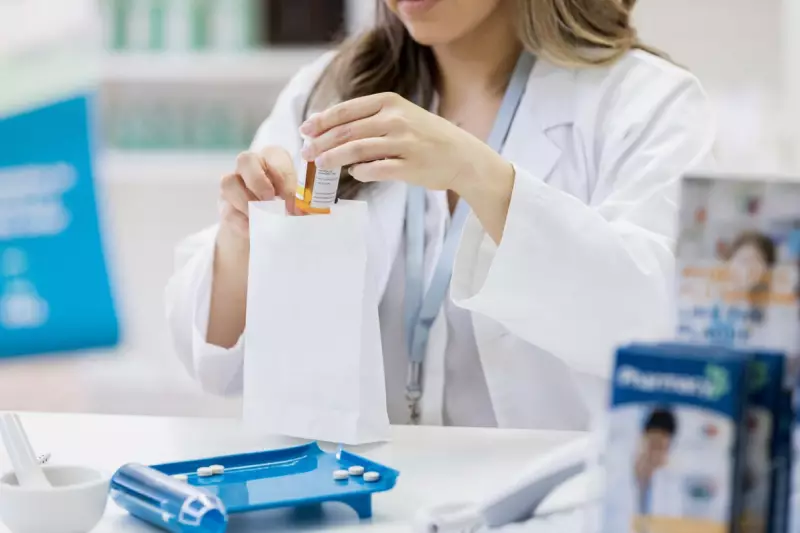
Millions of people across the UK and the US struggle to afford their essential medications, even with health insurance in place. According to health research organisation KFF, approximately one in five American adults skips filling a prescription each year due to cost. A further third resort to risky measures like splitting pills unnecessarily or switching to over-the-counter alternatives.
Understanding Your Pharmacy Costs and Copays
When you collect a prescription with insurance, you typically pay a copay—a fixed fee after your insurer covers the rest. The amount varies dramatically. For those on Medicaid, copays are often minimal or non-existent. With private insurance or Medicare, copays usually range from $5 to $50, structured in tiers where brand-name drugs cost more.
It's vital to know that your copay can change during the year based on your deductible—the amount you must pay yourself before insurance contributions begin. Furthermore, insurers are increasingly shifting from flat copays to coinsurance, where you pay a percentage of the drug's price. This often leads to significantly higher out-of-pocket costs for patients.

New Government Programmes and Discount Strategies
Significant help is on the horizon for older Americans. From 2026, those insured through Medicare will face an annual out-of-pocket cap of no more than $2,100 for prescription drugs, with costs dropping to zero once this limit is reached.
Already in effect is the Medicare Prescription Payment Plan, launched in 2025. This initiative allows people over 65 to spread their prescription costs evenly throughout the year, aiding budgeting, though uptake has been low so far.
For immediate savings, pharmacists advise exploring coupons and discount cards. Tools like GoodRx (a publicly traded company) or RxAssist (sponsored by the Robert Wood Johnson Foundation) can compare local pharmacy prices and locate coupons. However, caution is needed. GoodRx collects patient data, is not accepted by all pharmacies, and payments made using it may not count towards your insurance deductible.
Assistance Programmes and Future Models
For the uninsured or underinsured, prescription assistance programmes (PAPs) offered by drugmakers, nonprofits, and government agencies can provide medications at a deep discount or even for free. Organisations like the Patient Access Network Foundation, Dispensary of Hope, and the Patient Advocate Foundation can help, though eligibility often depends on income and residency status.
In a more radical shift, some drug manufacturers are now experimenting with direct-to-consumer sales models. For example, Eli Lilly sells its weight-loss drug Zepbound directly via its website. However, with monthly costs often exceeding $300 and a lack of insurance coverage, these options remain out of reach for many.
Finally, a new White House initiative announced in November 2025, known as TrumpRx, aims to connect consumers to discounted drugs. Set to roll out in 2026, experts suggest it will likely benefit the uninsured most, rather than those with existing coverage.
Pharmacy professors Sujith Ramachandran and Adam Pate of the University of Mississippi emphasise that while the system is complex, armed with the right knowledge, patients can find pathways to more affordable essential medicines.