National Pharmacy Association Issues Urgent Warning Over Counterfeit Weight Loss Jabs Sold Online
Urgent Warning Over Fake Weight Loss Jabs Sold Online

National Pharmacy Association Sounds Alarm on Counterfeit Weight Loss Jabs

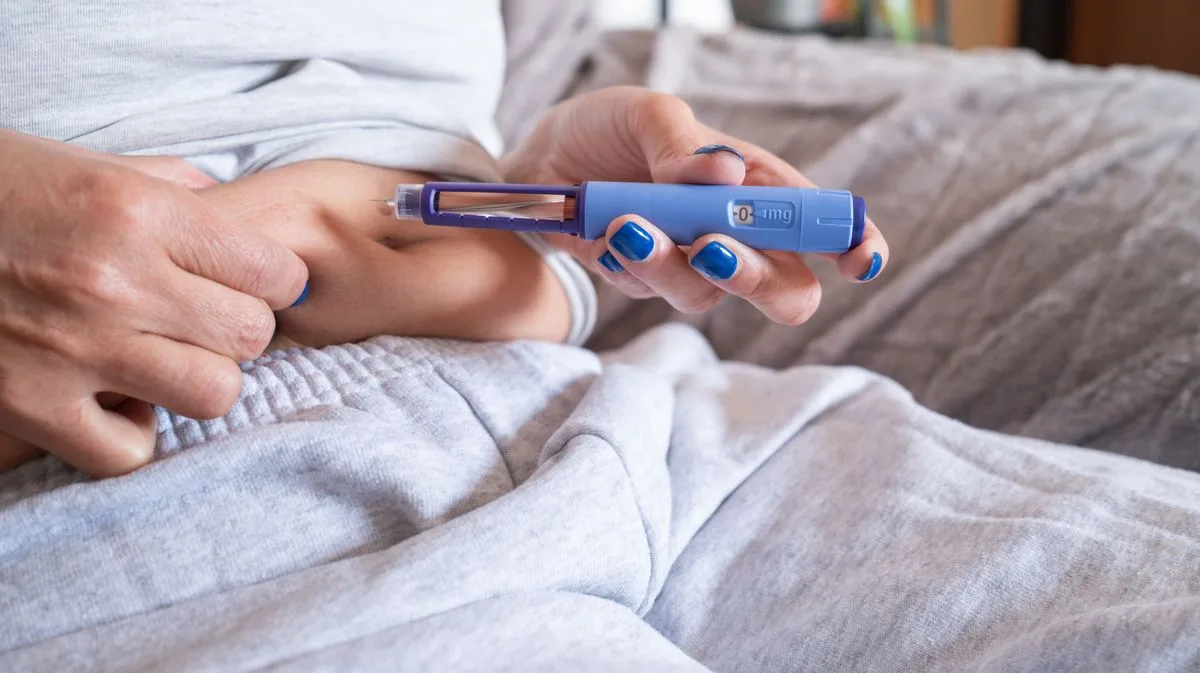
The National Pharmacy Association has issued an urgent new warning to anyone considering purchasing weight loss injections online, cautioning that offers appearing "too good to be true" likely are. This alert comes as a disturbing survey reveals that approximately one in ten legitimate online pharmacies have had their websites and social media profiles cloned by criminals selling fake weight loss medications.

Sophisticated Cloning Operations Targeting Patients

A comprehensive poll of one hundred online pharmacies uncovered that around ten percent have experienced their digital presence being duplicated by illegal weight loss jab providers over the past twelve months. Furthermore, nearly forty percent of these pharmacies have encountered patients who unknowingly purchased counterfeit weight loss drugs during the same period. An overwhelming majority, 95.2 percent of respondents, expressed serious concerns about the unlawful sale of these injections and the significant threat they pose to patient safety.

In one alarming instance, a pharmacy only discovered their online identity had been cloned after a patient contacted them. This individual had purchased what they believed was Mounjaro from a website impersonating the legitimate pharmacy, at a price merely a quarter of the standard cost. The counterfeit operations have grown increasingly sophisticated, with several cases involving the replication of official regulator logos, including those of the Care Quality Commission and the General Pharmaceutical Council, to appear credible.

Wide Pickt banner — collaborative shopping lists app for Telegram, phone mockup with grocery list

Inadequate Responses from Social Media and Regulators

Sehar Shahid, a board member at the NPA, stated, "I know first-hand how distressing it is to see criminals posing as regulated pharmacists to try and trick patients into buying counterfeit medicines. Medicines from unregulated providers may be faked, swapped for an alternative medicine or not meet the strict regulatory standards we have in the UK." She emphasized that patients should be extremely wary of any provider offering medications at suspiciously low prices without requiring prior consultations.

The response from social media platforms and regulatory bodies has been widely deemed insufficient. Among pharmacies that reported these fraudulent activities to social media companies, 96 percent felt the response was inadequate. Similarly, about 92 percent of those who alerted the Medicines and Healthcare products Regulatory Agency believed the MHRA's response was not sufficient to address the growing crisis.

Calls for Government Action and Stronger Enforcement

The NPA, representing 6,000 pharmacies across Britain, has formally written to Health Secretary Wes Streeting, demanding "robust action" and tougher protections for patients. The association has proposed that the Government consider allowing pharmacies to use a dedicated domain name, such as pharmacy.uk, to help patients easily identify regulated and legitimate providers online.

Ms. Shahid criticized social media companies for being "asleep at the wheel" and not doing enough to prevent a booming market for counterfeit medicines on their platforms. She added, "Although the MHRA works hard, their efforts are a drop in the ocean to tackle what is fast becoming a sophisticated criminal enterprise. We need tougher enforcement action and the Government should put stronger safeguards in place."

Regulatory Efforts and Ongoing Investigations

Tim Duffield, head of intelligence and enforcement at the MHRA, responded, "We take all reports extremely seriously and we will be reaching out to the NPA to gather a better understanding of the nature of these claims. While the MHRA does not regulate pharmacies, it is committed to protecting public health and supporting patients to make safe choices."

Pickt after-article banner — collaborative shopping lists app with family illustration

He highlighted that the MHRA's criminal enforcement unit works tirelessly against unlawful medicine trading, including online operations. Recent enforcement actions include a raid on an illegal weight loss jab manufacturing site in Northampton in October, conducted with Northamptonshire Police, and the shutdown of a facility in Sleaford in February, in collaboration with Lincolnshire Police. These efforts have led to significant seizures and arrests, preventing millions of doses of potentially dangerous products from reaching patients and denying criminals millions in illegal profits.

The MHRA continues to collaborate with government partners, enforcement agencies, and other stakeholders to combat the threat of unauthorised medicines being supplied online, underscoring the ongoing battle against this escalating public health concern.