Trump's Drug Price Initiative Falters as Pharmaceutical Companies Increase Costs
A comprehensive Senate analysis released on Thursday has revealed that President Donald Trump's much-publicized agreements with pharmaceutical manufacturers have failed to deliver promised price reductions. Instead, the report indicates that nearly all participating companies have continued to increase prescription drug costs since the deals were finalized late last year.
Widespread Price Increases Despite Administration Promises
The eleven-page document, shared exclusively with The Independent and utilizing data from price tracking software NAVLIN, demonstrates that fifteen of the sixteen drugmakers involved in the TrumpRx project have raised prices since the agreements were struck. All companies have increased costs on 337 different medications since January 21, 2025, with particularly significant hikes affecting cancer treatments, multiple sclerosis drugs, and advanced cell and gene therapies.
During negotiations with the Trump administration, some annual medication costs surged by more than $14,000 according to the data. Vermont Senator Bernie Sanders, ranking member on the Senate Health, Education, Labor and Pensions Committee, expressed agreement with Trump's assessment that Americans pay the highest prescription drug prices globally, but noted the president's rhetoric has not translated to tangible results.

"Unfortunately, despite President Trump's rhetoric, prescription drug prices in America have only gone up, not down, since he was elected," Senator Sanders stated in an emailed communication.
TrumpRx Platform Criticized for Failing Patients
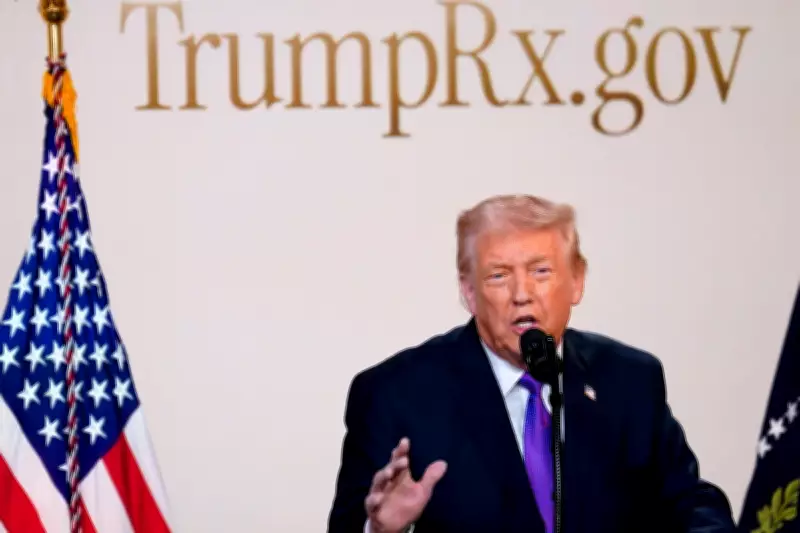
The Senate report also scrutinizes the White House's TrumpRx online prescription drug platform, suggesting it provides minimal meaningful savings to consumers. The analysis notes that many medications available through TrumpRx have lower-cost generic alternatives that are not accessible on the site, potentially steering patients toward more expensive options.
"Instead of promoting the lowest cost drugs, TrumpRx may actually drive patients toward more expensive drugs," the report asserts. "That doesn't benefit patients; it lines the pockets of the drug companies who signed the MFN deals."
White House Defends Administration Record
White House spokesman Kush Desai countered the Senate findings by arguing that the report focuses excessively on list prices rather than actual purchase prices paid by consumers at pharmacy counters. Desai cited Bureau of Labor Statistics data indicating prescription drug prices have declined since President Trump assumed office, with the most significant three-month decrease recorded since the 1960s.
"Bernie's report proves that he either has no idea how drug pricing works in America or that he remains in a delusional state of denial about the unequivocal fact that President Trump is delivering real results for the American people," Desai contended.
Participating Companies and Their Performance
The sixteen pharmaceutical manufacturers involved in the pricing agreements include industry giants such as:
- Johnson & Johnson
- Merck
- Novo Nordisk
- Novartis
- Eli Lilly
- Pfizer
- AstraZeneca
- Amgen
- Bristol Myers Squibb
- Boehringer Ingelheim
- Genentech
- Sanofi
- Gilead Sciences
- GSK
- EMD Serono
- AbbVie
According to the Senate analysis, these companies have collectively launched twenty-three new medications since Trump became president, with an average launch price of $353,000. Their annual profits reportedly increased by sixty-six percent, rising from $107 billion in 2024 to $177 billion last year.
Legislative Solutions Proposed
Senator Sanders and other legislators have introduced new legislation requiring pharmaceutical companies to reduce their prices to match average costs in five peer nations: Canada, France, Germany, Japan, and the United Kingdom. Should manufacturers fail to comply, the government would be mandated to approve low-cost generic alternatives to brand-name products.

"If the president is serious about taking on the greed of the pharmaceutical industry, he should support legislation I introduced to cut drug prices by more than half and ensure Americans pay no more than the Europeans or Canadians, saving over $180 billion a year," Sanders emphasized.
Public Health Consequences of High Drug Prices
Recent polling data from the health policy research organization KFF reveals alarming trends in medication affordability. Approximately one-third of American adults report using over-the-counter drugs instead of prescribed medications due to excessive costs, while one in five admit to cutting pills in half or skipping doses to save money.
The Senate report was released ahead of a HELP committee hearing focused specifically on prescription drug pricing. This analysis follows a January examination by non-profit drug price research firm 46brooklyn, which NPR initially reported showed participating companies had increased prices on 872 medications during the year's first two weeks.