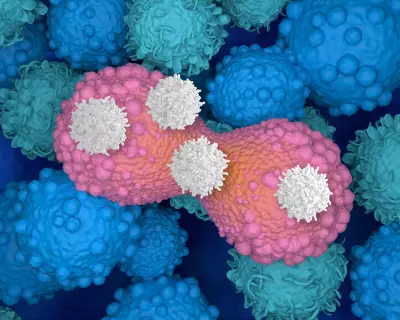
A pioneering 15-year agreement could see a novel cancer treatment derived from an unlikely source: reprocessed uranium from Britain's nuclear reactors.
From Reactor Waste to Life-Saving Therapy
The deal, struck between the UK's Nuclear Decommissioning Authority (NDA) and the biotechnology firm Bicycle Therapeutics, aims to transform up to 400 tonnes of reprocessed uranium into next-generation radiopharmaceutical therapies. The partnership, announced in December 2025, will provide Bicycle with a steady supply of the material over the next decade and a half.
This uranium will be used to harvest a medical isotope called lead-212, a key component in the cutting-edge treatments. The process continually regenerates the necessary isotopes, with the potential to produce tens of thousands of lead-212 doses annually.

Targeting Hard-to-Treat Cancers
These radiopharmaceutical therapies represent a significant advance in oncology. They work by delivering radiotherapy directly to cancer cells, aiming to destroy tumours while minimising damage to healthy tissue and reducing side effects.
The treatment is designed to tackle forms of cancer that often resist conventional therapies. This includes prostate cancer and neuroendocrine cancers, which can affect organs such as the gut and pancreas.
Government and Industry Backing
Science and Technology Secretary Liz Kendall hailed the partnership, stating it showed how breakthroughs in medical science were offering new hope. "Turning nuclear material into cutting-edge cancer treatments sounds like science fiction – but thanks to the brilliance of scientists, researchers and doctors, it could be a life-saving reality," she said.
Kevin Lee, Ph.D., CEO of Bicycle Therapeutics, echoed this sentiment, calling the deal a "significant milestone." He emphasised the company's goal, rooted in its UK base and Nobel-prize winning science, to help patients "live longer and live well."
This unique collaboration between the nuclear decommissioning sector and the life sciences industry positions the UK at the forefront of a potentially revolutionary approach to cancer treatment, turning legacy nuclear material into a future medical resource.