The National Health Service has issued a vital reminder to millions of Britons taking a common blood-thinning medication, warning them to avoid two specific types of drink to prevent a potentially dangerous situation.
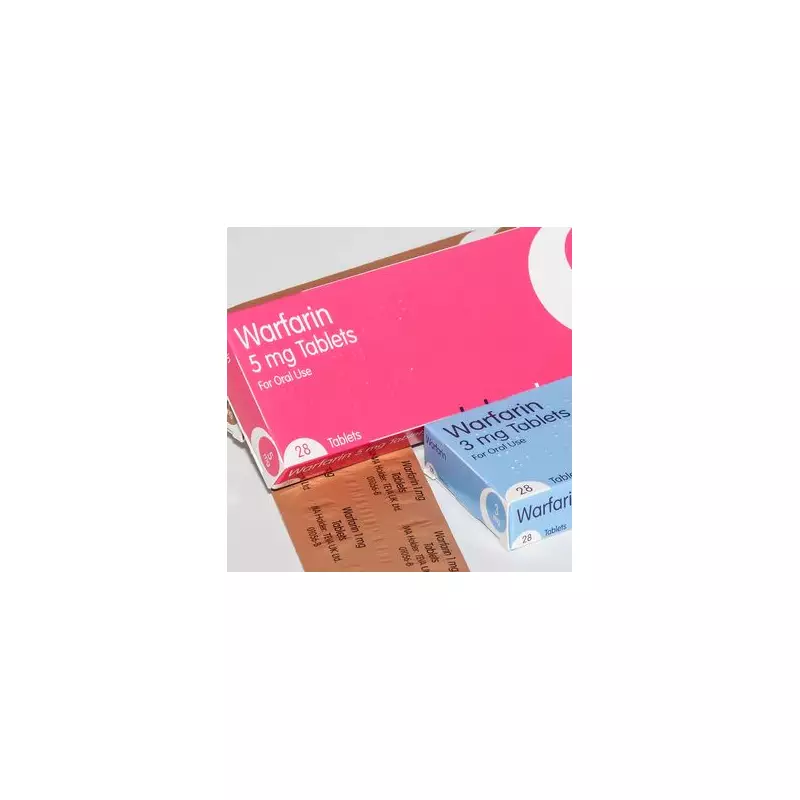
Recent reports indicate that more than 2.5 million people in England alone are prescribed warfarin, a crucial anticoagulant drug. This medicine helps blood flow more easily through veins, significantly reducing the risk of life-threatening conditions like strokes, heart attacks, and pulmonary embolisms by preventing dangerous clots.
Understanding Warfarin and Its Risks
Doctors typically prescribe warfarin to treat existing blood clots and to prevent new ones in patients with a history of issues like deep vein thrombosis, an irregular heartbeat, or a pulmonary embolism. Patients take a daily tablet and require regular blood tests to ensure their dosage remains correct and effective.

While the NHS underscores that warfarin is a very safe medicine for long-term use, its primary side effect is an increased risk of bleeding. "While warfarin has enormous benefits, the downside is that it can make you bleed more than normal," an NHS spokesperson explained. This is because the medication intentionally makes the blood less likely to clot.
Common side effects include prolonged bleeding from cuts, occasional nosebleeds, bleeding gums, easy bruising, mild rash, and hair loss. However, serious, spontaneous bleeding that does not stop is a medical emergency requiring urgent attention.
The Critical Role of Diet and Vitamin K
Managing diet is paramount for anyone on warfarin. The NHS advises maintaining a stable, healthy diet to help keep the warfarin dose consistent. Significant changes in food or drink intake can alter how the body responds to the medication.
Foods rich in vitamin K—such as green leafy vegetables, egg yolks, mature cheeses, avocados, and olive oil—play a crucial role. Patients are advised not to cut these out but to consume similar amounts regularly to avoid fluctuations in the drug's effectiveness.
The Two Juices You Must Avoid
As part of these strict dietary guidelines, the NHS explicitly warns against consuming two types of fruit juice, information that is also included on the medication's patient information leaflet.
"Do not drink cranberry or grapefruit juice while you're taking warfarin," the spokesperson stated. "It can increase the effect of your medicine and put you at higher risk of bleeding."
The danger lies in naturally occurring compounds in cranberries and grapefruit that inhibit an enzyme called cytochrome, found in the liver and small intestine. This inhibition causes warfarin levels to build up in the bloodstream and remain in the system longer than intended, mimicking an overdose and intensifying side effects.
This interaction is not unique to warfarin; grapefruit juice, in particular, is known to interfere with several other medications, including some statins prescribed for cholesterol. The NHS urges anyone on warfarin to speak with their doctor or nurse before making any significant changes to their diet.