
An experimental tablet that strips cancer cells of their 'invisibility cloak' has been shown to shrink tumours by at least 30% in six common cancer types, according to early trial results. The drug, GRWD5769, was tested on 83 patients with cervical, bladder, liver, bowel, lung, or head and neck cancers who had previously failed to respond to treatment.
The phase 1 trial, conducted across the UK, France, Spain, and Australia, combined the experimental drug with the immunotherapy cemiplimab. Researchers found that tumours shrank in 26 patients, with 15 experiencing reductions of at least 30%. The drug halted disease progression for at least six months in 18% of cervical cancer patients, 32% of liver cancer patients, 36% of bladder cancer patients, 38% of those with head and neck cancer, and more than half of bowel (51%) and lung (55%) cancer patients.
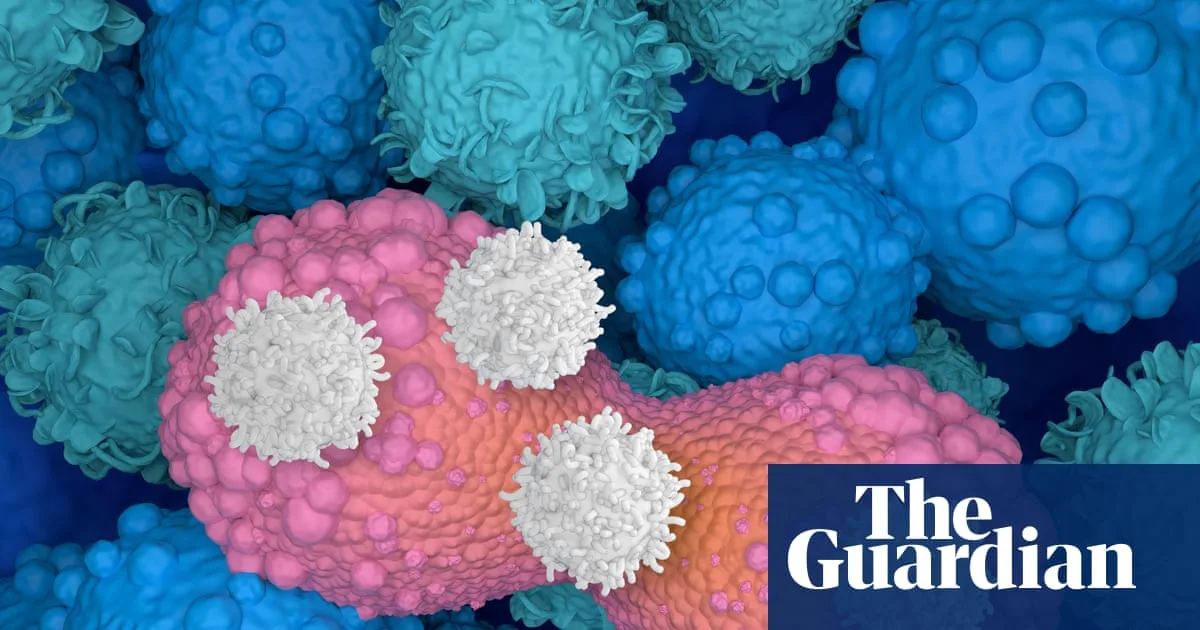
GRWD5769 works by inhibiting an enzyme called ERAP1, which cancer cells manipulate to hide from the immune system. By blocking this enzyme, the drug exposes tumour cells to T-cells, allowing immunotherapy to identify and destroy them. The tablet, developed by Oxford-based Greywolf Therapeutics, can be taken at home and was well tolerated by patients.
Prof Fiona Thistlethwaite, principal investigator and consultant medical oncologist at the Christie NHS foundation trust, presented the findings at the American Society of Clinical Oncology’s annual meeting in Chicago. She described the results as 'very impressive' for a tablet-based drug, noting strong efficacy signals across multiple tumour types with few side effects. The trial remains ongoing, with a larger study planned.
Prof Stefan Symeonides, UK principal investigator from the Edinburgh Cancer Centre, called the early results 'exciting' and highlighted the benefit to patients. The drug offers hope for those with hard-to-treat cancers where immunotherapy has failed or stopped working.




