Northampton Raid Uncovers World's Largest Illegal Weight-Loss Drug Operation
Illegal Weight-Loss Drug Raid in Northampton: No Arrests

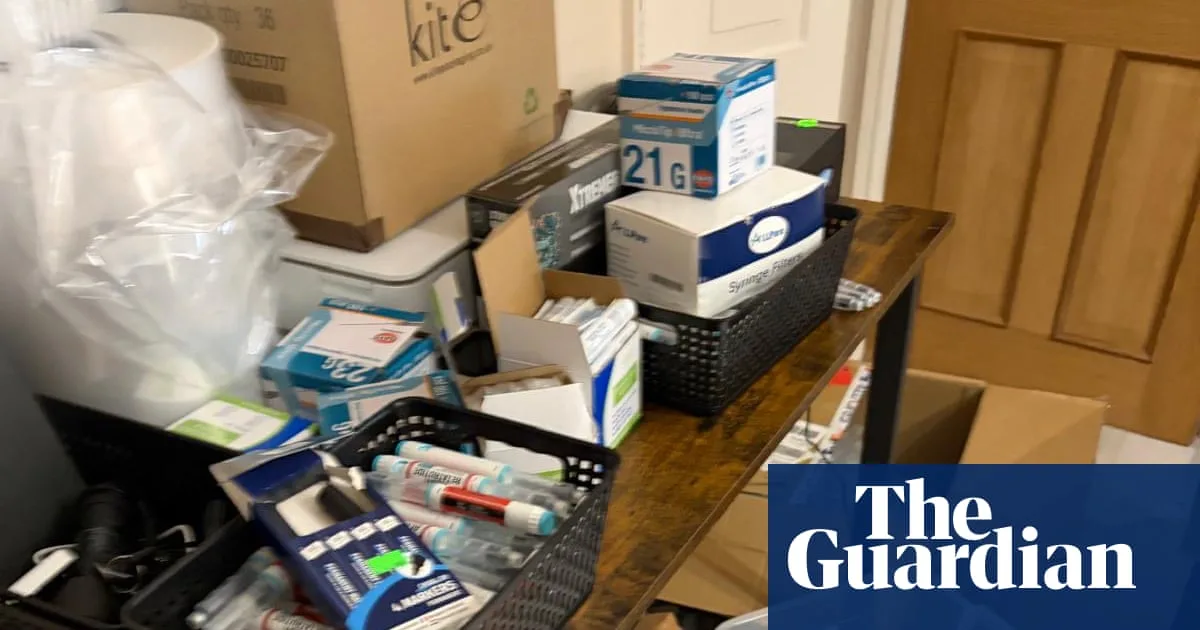
Enforcement officers from the UK's medicines regulator have uncovered what is believed to be the world's largest illegal weight-loss drug operation during a major raid on an industrial estate in Northampton.

The Raid and the Haul

In a two-day operation in late October, the Medicines and Healthcare Products Regulatory Agency (MHRA) targeted an unassuming red-brick unit on Tenter Road. The site, nestled between an air-compressor service and an auto repair shop, yielded a staggering haul.

Officers seized thousands of unlicensed Alluvi-branded weight-loss pens, raw chemical ingredients, manufacturing equipment, packaging materials, and £20,000 in cash. Among the confiscated items were pens labelled as containing retatrutide, a potent GLP-1 agonist drug still undergoing clinical trials and not approved for medical use, yet heavily promoted online as a successor to Mounjaro.

The Entrepreneurial Link

Despite the scale of the find, no arrests have been made public months after the raid. A Guardian investigation has uncovered evidence pointing to links with Northampton-based entrepreneur Fasial Tariq, who has not been arrested or charged with any related offence.

The raided unit is registered to Wholesale Supplements Limited, which lists Tariq as its director. Furthermore, customer order evidence suggests Alluvi products were sold via a website trading as Ecommerce Nutri Collectiv. This entity has previously shared a registered address with Vantage Commercials Group Limited, a company once run by Tariq.

Clicking the trading name on the Nutri Collectiv site redirects to another brand, Paradox Labs, which was previously known as Paradox Studio—a cryptocurrency venture founded by Tariq. This project, involving Paradox Coin and a play-to-earn metaverse game, faced public accusations of being a scam from crypto investigator Stephen 'Coffeezilla' Findeisen.

A Chaotic and Dangerous Trade

The case exposes a chaotic and poorly regulated underground market. An anonymous source with knowledge of the trade described the Alluvi operators as "nasty" and said they drew undue attention. The source alleged products were assembled cheaply with little regard for sterility or accurate dosing, with empty injectable pens easily sourced online for later filling.

Medical experts warn of severe risks from unregulated injectables like retatrutide, including contamination, incorrect dosing, severe infections, pancreatitis, and dangerous blood-sugar fluctuations.

Regulatory Failure and Public Risk

Academics argue the UK's complaints-led regulatory system is too slow, effectively offering only a "slap on the wrist" while the public remains exposed. Dr Piotr Ozieranski of the University of Bath called for proactive investigations and fines linked to company turnover, stating the current system seems to protect suppliers more than patients.

Dr Emily Rickard, also from Bath, highlighted the lag in enforcement, noting a website she reported for illegally selling retatrutide in early September remained live more than two months later, despite Facebook removing its associated advert.

The MHRA states it disregards "research purposes" claims if used to circumvent medicine regulations and will act on evidence of unauthorised medicines for human use. However, regarding the Northampton raid, the regulator confirmed no arrests have been made and declined to comment further while investigations are ongoing.

Meanwhile, the Alluvi website remains active, its Telegram channel continues to attract members, and rumours persist that production has simply relocated following the raid.




