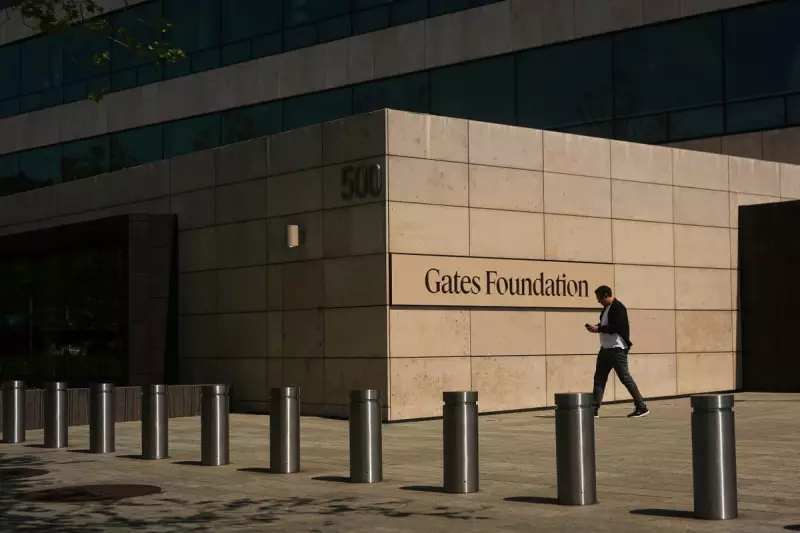
The Bill & Melinda Gates Foundation has unveiled plans for its largest-ever annual budget of $9 billion for 2026, while simultaneously announcing a significant reduction of its workforce by up to 500 positions over the next five years. The dual announcement, made on Wednesday 14 January 2026, marks a pivotal moment for the world's largest philanthropic organisation as it navigates its long-term strategy towards a planned closure in 2045.
A Strategic Shift Towards Maximum Impact
This record expenditure, approved by the foundation's board including co-chairs Bill and Melinda French Gates, surpasses the previous year's budget of $8.74 billion. The funds will be directed towards amplifying key programmes in women's health, vaccine development, polio eradication, artificial intelligence, and U.S. education. CEO Mark Suzman emphasised the foundation is entering "the most impactful period" in its history, leveraging expertise built over a quarter-century.
Concurrently, the board has instituted a strict cap on operating costs—covering staff, salaries, infrastructure, and travel—at no more than $1.25 billion, or roughly 14% of the total budget. To adhere to this cap, the foundation will reduce its headcount from the current 2,375 employees by a maximum of 500 roles by 2030. Suzman assured the Chronicle of Philanthropy that this would be a gradual, annual recalibration rather than a sudden wave of layoffs, stating, "I very much hope that we won't have to do it as large as that number."

Navigating a Challenging Global Landscape
The foundation's strategic recalibration comes at a critical time. Many of its long-standing priorities, such as poverty reduction and global health, face heightened challenges. Bill Gates noted in a recent blog post that the world has regressed, with child deaths rising for the first time this century from 4.6 million in 2024 to 4.8 million in 2025. He attributed part of this backsliding to cuts in U.S. and international humanitarian aid, making philanthropic support more vital than ever.
In response, the foundation plans to accelerate spending over the next two decades on maternal and child health, infectious disease prevention, and poverty reduction. It will also increase some grant sizes and expand its geographical footprint, notably creating a new Africa and India Offices Division. Consequently, some headquarters-based roles on HIV and tuberculosis teams will be downsized as work shifts closer to these regions.
The Unprecedented Path to a 2045 Sunset
The budget and staffing decisions are deeply intertwined with the foundation's landmark announcement last year to spend down its endowment and cease operations in 2045. Bill Gates confirmed the intent to deploy $200 billion over the next 20 years before closing. Philanthropy experts like Elizabeth Dale of Grand Valley State University highlight that sunsetting an entity of this scale is unprecedented and will demand rigorous strategic planning.
Despite the planned closure, Suzman stresses that two decades remain a significant timeframe for impact. The foundation is sharpening its focus, with AI remaining a growing portfolio area. It was part of a coalition that pledged $1 billion last July to develop AI tools for public defenders and social workers, reflecting Gates's dual view of AI as both a profound opportunity and a risk requiring careful governance.
The Gates Foundation's latest moves underscore a deliberate pivot towards maximising philanthropic efficiency and impact in its final chapters, even as it contends with a worsening global outlook for its core missions.