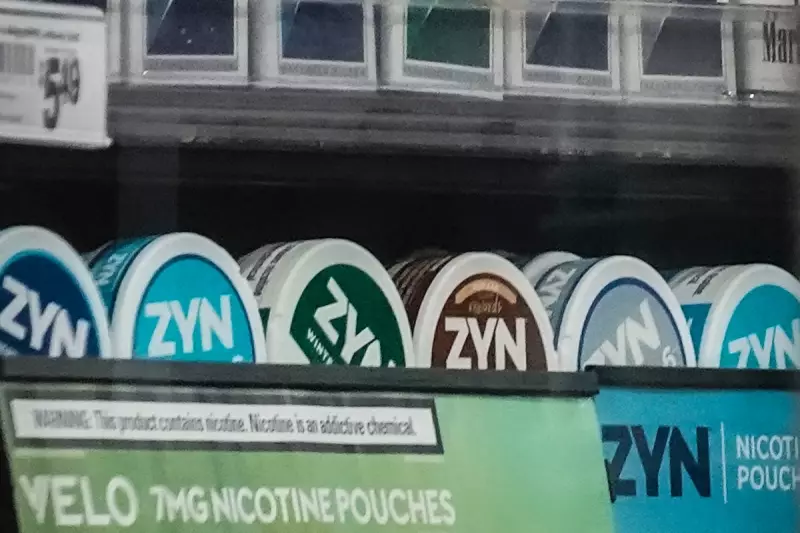
The Food and Drug Administration is currently deliberating a significant proposal that could reshape how nicotine pouches are marketed to American consumers. At the heart of the discussion is whether Philip Morris International should be permitted to advertise its Zyn products as presenting a reduced risk compared to traditional cigarettes.
A Pivotal Public Meeting
On Thursday, the FDA convened a crucial public meeting to examine the company's request. This gathering provided an opportunity for an external panel of independent health experts to scrutinise the evidence and pose challenging questions to both the regulatory agency and the tobacco giant. Government documents released prior to the meeting indicated that FDA regulators were leaning towards approving the company's application, setting the stage for a potentially historic decision.
The Specifics of the Proposal
Philip Morris is seeking authorisation to use specific marketing language that would highlight Zyn's relative health benefits. The company wants to explicitly state that using Zyn nicotine pouches reduces the risk of developing serious smoking-related diseases, including mouth cancer, heart disease, lung cancer, and stroke. Such approval would significantly bolster the brand's position in the United States, where it already commands a dominant share of the nicotine pouch market.

This development follows the FDA's authorisation of Zyn to remain on the market last January, marking it as the first nicotine pouch product to receive such federal endorsement. The agency concluded that company data demonstrated the small pouches were indeed less harmful than cigarettes and other conventional tobacco products.
Examining the Evidence Base
According to a preliminary review posted by the FDA earlier this week, agency scientists appear prepared to endorse the company's proposal. After evaluating what they termed "the totality of the evidence," FDA tobacco staffers concluded that the statement regarding Zyn reducing the risk of smoking-related illnesses is "scientifically accurate."
The review acknowledges that Philip Morris did not conduct long-term health studies specifically on Zyn users but provided other compelling data to support its position. The company draws parallels with snus, a similar oral tobacco product it already sells, which is popular in Scandinavian countries. Studies from those regions have consistently shown lower rates of lung cancer, mouth cancer, and related diseases among snus users compared to smokers.
Philip Morris argues that Zyn carries even lower health risks than snus, partly because it contains no tobacco leaves—only nicotine. Company research indicated that Zyn had unquantifiable levels of 36 out of 42 carcinogens and other harmful chemicals typically found in tobacco products. Regarding the remaining six chemicals, FDA reviewers noted the amounts "were below the level that would be expected to pose a health risk."
Market Dominance and Popularity
While less than 1% of American adults currently use nicotine pouches, this segment represents the fastest-growing area within the tobacco market, which has been contracting steadily as consumers quit, pass away, or switch to alternatives like electronic cigarettes.
Within this niche, Zyn stands as the overwhelming market leader in the United States. Last year alone, the brand generated more than $3.24 billion in sales, capturing over two-thirds of the market according to Nielsen data analysed by Goldman Sachs. Most Zyn users are reportedly in their 30s and 40s and have higher incomes than those who use cigarettes or e-cigarettes.
Addressing Youth Concerns
Alongside considering potential benefits for adult smokers, the FDA is legally required to assess potential harms to young people and non-smokers who might begin using the product. Anti-tobacco advocacy groups have raised alarms about concerning trends, particularly the phenomenon of "Zynfluencers" and other young users whose videos have amassed tens of millions of views across social media platforms in recent years.

A recent study conducted by the Truth Initiative, an anti-tobacco nonprofit organisation, revealed that spikes in viral TikTok videos about Zyn during 2022 and 2023 were followed by noticeable jumps in product sales. The authors cautiously noted that it remains unclear whether these videos directly triggered increased sales or simply reflected growing popularity.
Despite these social media trends, current federal survey data indicates that teenage use of nicotine pouches remains relatively low, with only 2.4% of high school students reporting usage.
The Path Forward
The FDA's panel of independent public health experts is tasked with debating these complex issues and formulating recommendations. However, it is important to note that the FDA is not bound by this advisory panel's advice and operates under no strict deadline to reach a final determination. The outcome of this review process could establish important precedents for how reduced-risk tobacco products are marketed and regulated in the future.