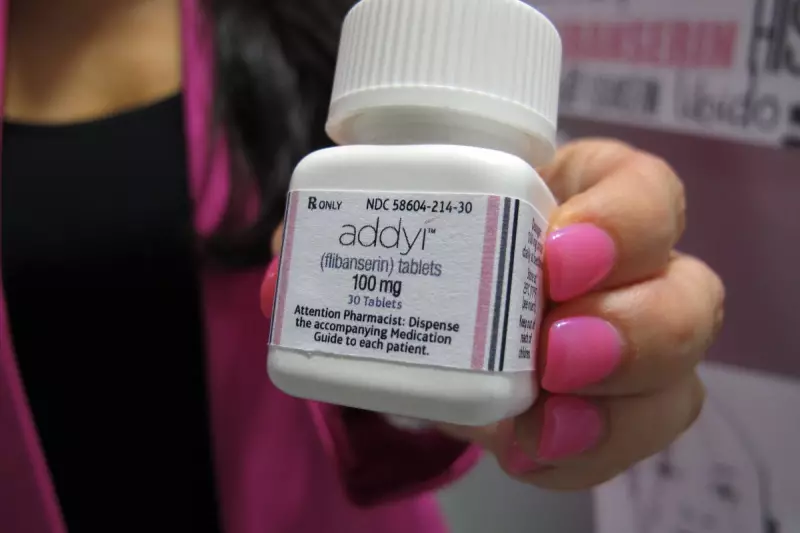
In a significant move for women's healthcare, US regulators have broadened the approved use of a controversial drug designed to treat low sexual desire in women. The Food and Drug Administration (FDA) announced on Monday 15 December 2025 that the once-daily pill, Addyi, can now be prescribed to women older than 65 who have gone through menopause.
A Decade-Long Path to Expanded Use
The drug, developed by Sprout Pharmaceuticals based in Raleigh, North Carolina, first received FDA authorisation a decade ago in 2015. Its initial approval was for premenopausal women experiencing emotional distress due to a lack of sexual appetite, a condition medically recognised as hypoactive sexual desire disorder (HSDD).
Addyi's journey to market was fraught with challenges. The FDA rejected it twice before its 2015 debut, citing concerns over its modest effectiveness and potential side effects. Its eventual approval followed a concerted lobbying effort by the company and the campaign group Even the Score, which framed the lack of female libido treatments as a matter of gender equity.

Managing Expectations and Side Effects
Despite initial predictions that Addyi would become a blockbuster akin to Viagra for men, its commercial success has been limited. The drug, which works by acting on brain chemicals linked to mood and appetite, comes with significant caveats.
It carries a boxed warning, the FDA's most serious safety alert, which cautions that combining the pill with alcohol can lead to dangerously low blood pressure and fainting. Other common side effects include dizziness and nausea, which have dampened its uptake.
In 2019, the FDA approved a second treatment for low female libido, an on-demand injection that operates via a different biological pathway, offering women an alternative option.
The Complex Landscape of Female Sexual Health
The diagnosis of HSDD itself remains a topic of debate within the medical community. While surveys suggest it affects a significant portion of American women, some psychologists argue that low sex drive should not be medicalised.
Diagnosis is particularly complex for post-menopausal women, where falling hormone levels trigger numerous biological changes. Medical guidelines state that doctors must first rule out other potential causes, including relationship issues, depression, other mental health disorders, and underlying medical conditions, before considering a prescription.
Cindy Eckert, CEO of Sprout Pharmaceuticals, stated that the latest FDA decision “reflects a decade of persistent work with the FDA to fundamentally change how women’s sexual health is understood and prioritised.” The expansion to older women marks a new chapter in the ongoing effort to address what many see as a long-neglected area of women's wellbeing.