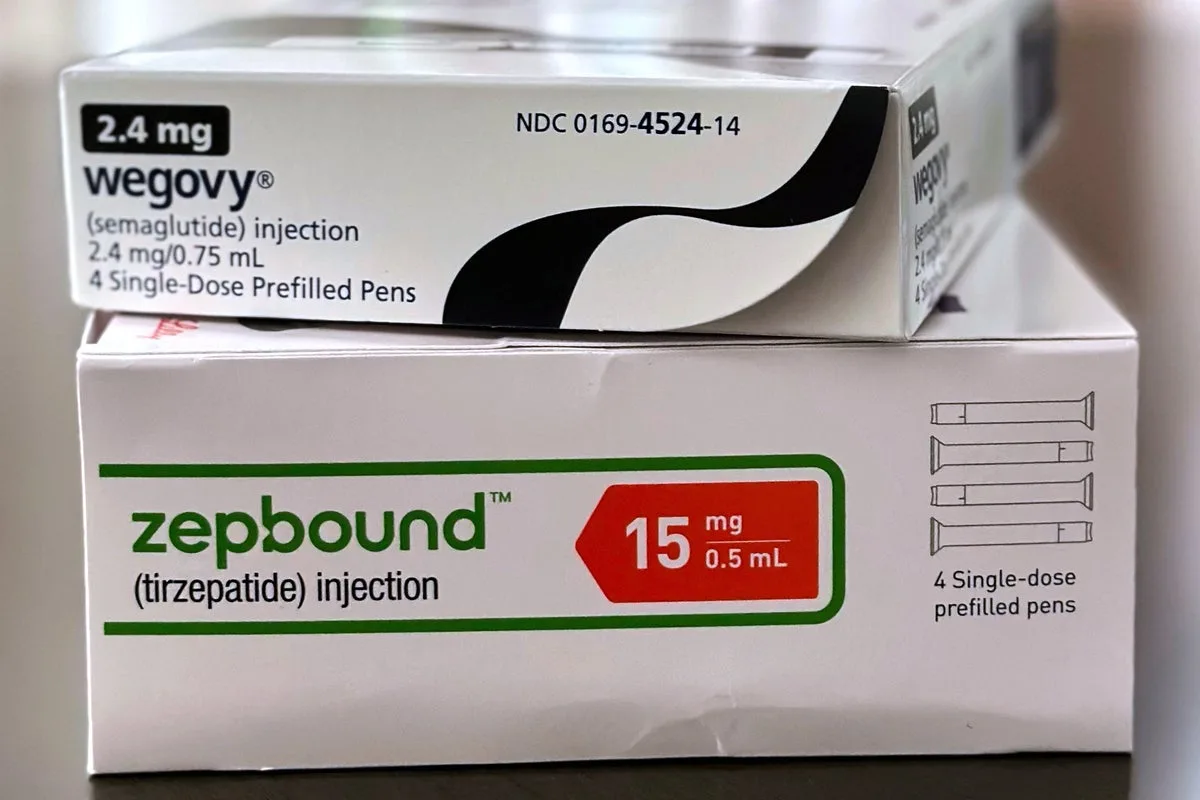
American drug regulators have formally requested the removal of prominent warnings about suicide risk from the labels of popular weight-loss medications Wegovy and Zepbound. This significant decision follows an extensive review of clinical data, which found no evidence linking the drugs to an increased risk of suicidal thoughts or behaviour.
Regulatory Review Finds No Evidence of Increased Risk
The US Food and Drug Administration (FDA) announced the label change on Tuesday. The warnings had been in place since the drugs were first approved for weight management—Wegovy in 2021 and Zepbound in 2023. Their inclusion was a precautionary measure, prompted by historical reports of depression and suicidal ideation from patients taking older weight-loss treatments.
However, the FDA's latest action stems from a major analysis of 91 separate studies involving more than 100,000 people. This review, which included data from 60,000 individuals on the medications, concluded there was no heightened risk of suicidal ideation or behaviour for those using the drugs compared to those on a placebo.
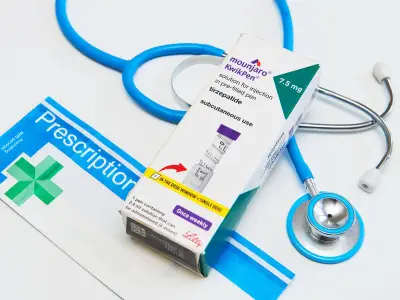
'Today's FDA action will ensure consistent messaging across the labeling for all FDA-approved GLP-1 medications,' the agency stated. This move brings the weight-loss drugs in line with their sister medications, Ozempic and Mounjaro, which are approved for type 2 diabetes and never carried such warnings.
From Patient Reports to Large-Scale Analysis
The issue of suicide risk became a major safety concern after the FDA received hundreds of reports from patients who claimed they began experiencing suicidal thoughts or despair while taking the drugs. In some instances, these individuals had no prior history of mental health problems. The agency's adverse event reporting system also logged at least 36 deaths 'by suicide or suspected suicide' among people on the medications since 2010.
In response, the FDA launched a formal investigation in 2023. Its review comprised two key studies:
- A meta-analysis of the 91 clinical trials.
- A real-world study of healthcare claims data covering 2.2 million people, half of whom were new users of weight-loss drugs between October 2015 and September 2023. This study found no increased risk of intentional self-harm compared to users of other diabetes medications.
Based on this comprehensive evidence, regulators determined the warnings were no longer justified.
Industry Response and Patient Experiences
The label change also applies to Saxenda, an older GLP-1 drug for weight management approved in 2014. Previously, labels for all three drugs contained strong cautions advising patients and doctors to monitor for mental health changes and to discontinue use if suicidal thoughts emerged.
Manufacturers have welcomed the FDA's decision. A spokesperson for Novo Nordisk, which makes Wegovy and Saxenda, said the company was happy with the recommendation. A representative for Eli Lilly, producer of Zepbound, stated they appreciated the FDA's 'careful consideration' and would continue to collaborate on providing appropriate safety information.
Despite the regulatory finding, some patient anecdotes remain stark. Dawn Heidlebaugh, a mother-of-four from Ohio, publicly stated in 2023 that taking Ozempic left her feeling suicidal, with symptoms she directly attributed to the weekly injections. 'I knew it was the drug,' she told Reuters, describing cycles of lethargy and despair that abated when she skipped a dose.
Experts have previously theorised that the drugs' mechanism of reducing appetite could potentially affect mood, as eating can be a coping mechanism for some. With an estimated 20 million Americans having now used a weight-loss drug, the FDA's move aims to align official labelling with the latest large-scale scientific evidence, while continuing to monitor long-term safety.