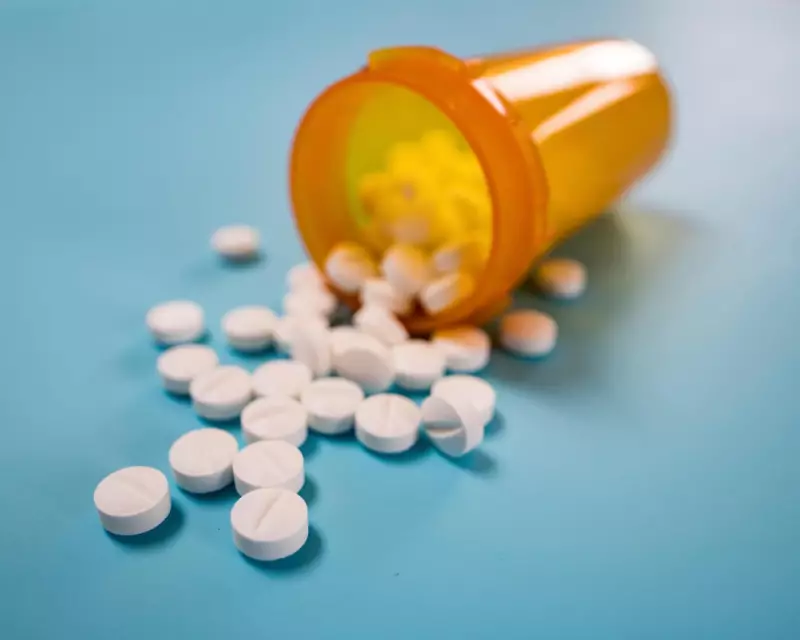
Experts are issuing a stark warning that Britain could face a surge in counterfeit weight-loss medications as oral tablet forms, currently only available via injections in the UK, approach launch. They emphasise that stronger regulation and enforcement are urgently needed to prevent fraudsters from exploiting these new treatments, which are easier to counterfeit than their injectable counterparts.
Rising Risk with Tablet Forms
While pill versions of weight-loss drugs are expected to be more affordable and accessible, they present a heightened risk for fraud. Professor Bhavik Patel from the University of Brighton explains that pills are a prime target for scammers due to the relatively simple equipment required for production, such as mixers and pill presses, enabling large-scale manufacturing of fakes.
Current Landscape and Demand
In the UK, demand for injectable weight-loss jabs like Wegovy and Mounjaro has grown significantly, with studies showing they can help users lose substantial body weight. However, these injections are costly, require special storage, and involve injection pens, making them less convenient for some.

Pharmaceutical companies are now developing oral versions, with tablets that mimic the hormone GLP-1. For instance, Novo Nordisk's pill form of Wegovy has gained FDA approval in the US and is under review by the UK's Medicines and Healthcare products Regulatory Agency (MHRA), while Eli Lilly's Orforglipron is in advanced trials.
Dangers of Counterfeit Pills
Dr Bernard Naughton from Trinity College Dublin highlights that fake pills can pose severe health risks, including contamination, incorrect dosages, or even a complete lack of active ingredients. He notes that counterfeit injections have already been documented, and pills, with their simpler production, could become more widespread.
Naughton's research indicates that consumers may be more willing to take risks with tablets purchased online compared to injections, potentially exacerbating the problem. This behaviour underscores the need for public awareness and stricter controls.
Regulatory Challenges and Enforcement
The MHRA has previously warned about fake weight-loss medications, emphasising the importance of purchasing only from legitimate sources. In a recent raid in Northampton, over £250,000 worth of counterfeit jabs were seized, though ongoing investigations limit public details. Despite this, companies like Alluvi continue to advertise unlicensed products on platforms like Telegram.
Oksana Pyzik from UCL points out that demand for these drugs has outpaced regulated supply, driving some to seek cheaper alternatives online. She warns that while oral drugs could improve access, they also widen opportunities for criminal falsification of GLP-1 medications.
Industry and Regulatory Responses
Novo Nordisk and Eli Lilly are actively combating counterfeits through measures like online monitoring and collaboration with authorities. Andy Morling of the MHRA stresses that all medicines must meet rigorous safety standards, and the agency is working to strengthen enforcement as new treatment formats emerge.
Pyzik, who chairs the Fight the Fakes Alliance, calls for enhanced regulation and the use of AI tools to detect falsified adverts. She notes a shift towards sophisticated domestic operations in the UK, where raids may not lead to immediate prosecutions, creating regulatory gaps that embolden criminals.
Recommendations for the Future
Experts urge the UK to implement easier verification systems for online pharmacies and launch targeted public health campaigns. Naughton emphasises the value of online access to medicines but stresses the need to educate different risk groups to ensure safety.
As the launch of oral weight-loss treatments nears, proactive measures from regulators, industry, and the public will be crucial to mitigate the threat of counterfeit pills flooding the market.