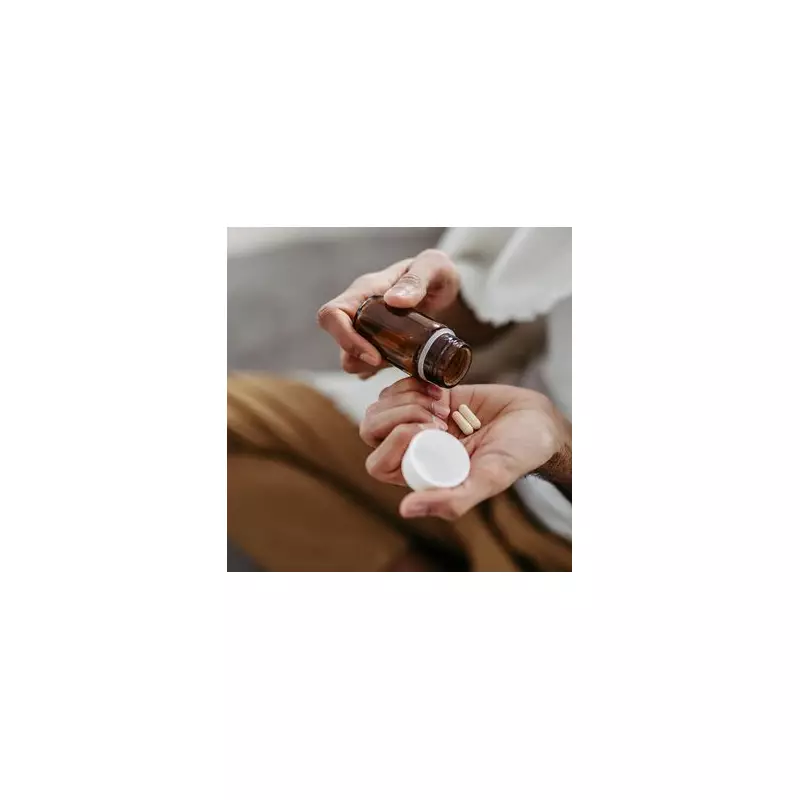
A leading pharmaceutical expert has issued a critical warning to the millions of Britons taking specific types of antidepressants, highlighting a potentially dangerous interaction with a common food ingredient.
The Scale of Antidepressant Use
Prescriptions for antidepressants continue to climb across the United Kingdom. In England alone, approximately 8.7 to 8.8 million people received an antidepressant prescription during the 2023/24 period. This figure represents a steady increase, with millions more across the UK using these medications to manage conditions like depression and anxiety.
The Specific Risk with MAOIs
The warning specifically concerns a less commonly prescribed class of drugs known as monoamine oxidase inhibitors (MAOIs). These include medications such as phenelzine, isocarboxazid, and tranylcypromine.

Dipa Kamdar, a Senior Lecturer in Pharmacy Practice at Kingston University, explains the hazard. Writing for The Conversation, she notes that these drugs work by blocking enzymes that normally break down a substance called tyramine. Tyramine occurs naturally in the body and in various aged, cured, or fermented foods.
"If patients eat tyramine-rich foods, this may result in high levels of tyramine, potentially leading to a dangerous rise in blood pressure," Kamdar states. This hypertensive crisis is a serious medical emergency.
Unexpected Sources of Tyramine
While aged cheeses and cured meats are well-known sources, Kamdar points out that some seemingly healthy legumes can also be high in tyramine. These include:
- Soybeans
- Broad beans (fava beans)
- Snow peas
This is notable as beans are typically celebrated for their health benefits, being rich in plant-based protein, fibre, vitamins, and minerals. Soybeans and broad beans, for instance, are nutritional powerhouses that support heart health, digestion, and bone density.
Essential Advice for Patients
Kamdar emphasises that patients should not simply remove these nutritious foods from their diet without professional guidance. "A healthy diet can improve your overall health in many ways. Just be sure to consult with a doctor or pharmacist before drastically changing your diet – particularly if you take prescription medications," she advises.
The key takeaway is for individuals taking MAOI antidepressants to be aware of the tyramine interaction. They should have a detailed conversation with their GP, pharmacist, or a dietitian to understand which specific foods to moderate or avoid, ensuring their treatment is both safe and effective.