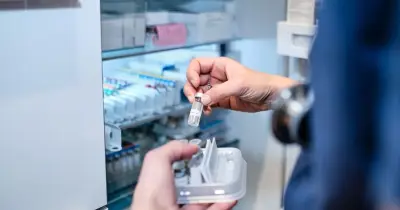
Medical professionals have issued an important safety alert for individuals using the medication Spironolactone to manage acne. While commonly prescribed for heart conditions and high blood pressure, this drug is increasingly used 'off-licence' for skin problems, prompting experts to highlight potential adverse reactions that patients may not anticipate.
Understanding Spironolactone's Use in Acne Treatment
According to the British Association of Dermatologists (BAD), Spironolactone is frequently prescribed 'off-licence' to treat women suffering from acne, female pattern hair loss, and hirsutism. The NHS confirms this practice, noting it is a widely-used and safe alternative to long-term antibiotics for persistent acne. A 2022 study underpinned its efficacy and safety profile for female patients.
The drug, also known by the brand name Aldactone, is additionally utilised in managing polycystic ovarian syndrome (PCOS). It is crucial to note that this treatment is not typically offered to men for dermatological issues.
How It Works and What to Expect
Spironolactone does not offer an instant cure for acne but helps manage and clear skin over an extended period. The NHS explains that it works gradually, with most women observing improvement after three months of consistent use. Patients usually need to complete a full six-month course to experience the maximum benefit.
The standard dosage for acne ranges from 50mg to 150mg daily, often starting at 50mg. This may be increased to 100mg if side effects are minimal and blood tests remain normal. Tablets should be swallowed whole with water after eating.
Essential NHS Warning on Side Effects and Interactions
The NHS has catalogued a range of potential side effects associated with Spironolactone. Patients are urged to be vigilant and report any concerns to their doctor immediately.
Common side effects include:
- Sore or swollen breasts
- Irregular menstrual periods
- Dizziness or fainting due to a drop in blood pressure (postural hypotension)
Less common reactions can involve:
- Skin rashes, drowsiness, and headaches
- Fatigue and a reduced sex drive
Rare but serious risks require immediate medical attention:
- Confusion or loss of coordination
- Increased urine production
- Dangerously high potassium levels, particularly in patients over 45 or with existing heart or kidney issues
The NHS delivers a stern warning: Spironolactone must not be taken by those who are pregnant, trying to conceive, or who have Addison's disease or serious kidney problems. Reliable contraception is essential during treatment. Alcohol consumption can exacerbate side effects like dizziness and should be limited.
Critical Drug and Food Interactions
Patients must inform their doctor if they are taking other medications, including ACE inhibitors, certain anti-inflammatory painkillers like ibuprofen, specific antibiotics, other diuretics, or potassium supplements.
Dietary precautions are also critical. The NHS strongly advises against using low-sodium salts or substitutes like Lo-Salt, as they are high in potassium and can lead to dangerous levels in the blood when combined with Spironolactone. Patients should also moderate intake of potassium-rich foods such as bananas, avocados, nuts, pulses, and salmon.
For comprehensive information, individuals are directed to the official NHS website. Anyone with concerns about taking Spironolactone for acne is strongly advised to seek personalised medical advice from their GP to ensure the treatment aligns with their specific health needs.